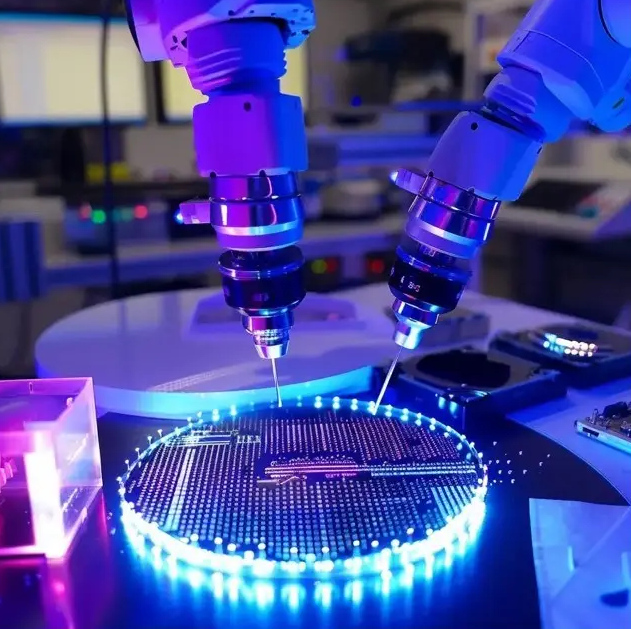
Out on the line, the LPCVD furnace runs like a pressure vessel that demands its way—stable temperature, tight uniformity, and zero room for particle excursions. A single temperature excursion during polysilicon or nitride deposition can show up as thickness non-uniformity across the lot. A hot spot can push photoresist profiles off target in the bake modules that sit right next door. The furnace heating element isn’t just background hardware; it’s the thermal instrument that sets how repeatable your thermal budget really is. Infrared heating gives you direct, line-of-sight control that conventional radiant panels can’t touch. We build the LPCVD heating element around short-wave infrared (NIR) lamps, paired with a quartz-based thermal architecture, so you get sub-millimeter control of the thermal field. The payoff is a thermal profile you can rely on, batch after batch.
What actually matters on the spec sheet
Sub-millimeter uniformity isn’t a slogan—it’s a spec that has real consequences in operation. In practice, it means the wafer plane sees a temperature spread that stays within tight band limits: ±0.1°C across the load, at setpoints that routinely run from 300°C to 650°C for deposition and bake steps. That precision starts with lamp geometry and reflector design. We tune lamp placement and reflector contours so the infrared flux lands with repeatable distribution, keeping edge roll-off and center-to-edge deltas under control. The heating element is built for cleanroom reality. The hot zone uses high-purity quartz components to cut down on outgassing and metallic contamination. Lamp envelopes and internal conductors are chosen for low particle shedding, helping keep particle counts within Class 1–100 constraints. Thermal mass is kept low on purpose, so the element responds quickly to setpoint changes without overshoot. Fast settling translates into shorter ramp segments, shorter idle times, and a more consistent thermal history across wafers. Repeatability is baked into the electrical side. Lamps run on controlled voltage and current profiles, with consistent terminations and solid connector interfaces. The system holds output stability over long campaigns—units have run 5,000+ hours with less than 5% output drop, which supports 24/7 schedules without unplanned downtime. When you need the same thermal profile tomorrow that you ran today, the element has to deliver the same flux density, the same distribution, and the same temperature.
Why this matters in LPCVD—and in photoresist bake
LPCVD is where thermal control and film quality meet head-on. Deposition uniformity, stress control, and defect density all hinge on temperature stability at the wafer surface. A heating element that holds sub-millimeter uniformity reduces edge effects and within-batch variability, which directly tightens distribution across the lot and improves yield. Photoresist processing sits close by in the flow, and it’s just as sensitive. Soft bake and hard bake define the resist profile before exposure and after development. Temperature variation shows up as line-width variation and sidewall angle drift. With infrared precision, bake modules can hold tighter thermal tolerances across the wafer, which improves critical dimension control and cuts rework. Energy and uptime are what keep the fab moving. The low thermal mass of the infrared element shortens ramp-to-setpoint time and reduces the energy spent holding temperature during idle. That lowers the energy bill without sacrificing throughput. At the same time, stable output and cleanroom-compatible construction reduce particle-related excursions and unplanned maintenance. Fewer stops, fewer alarms, fewer lot holds. This heating element also fits the cadence of modern fabs. It integrates into existing furnace hot-zone layouts and control schemes, so you don’t have to re-engineer the whole thermal stack to gain precision. The gains are practical: tighter spec limits on film thickness, fewer scrap wafers, and maintenance windows you can plan around.
The realities you plan for
Infrared heating is fast and precise, but it needs attention to line-of-sight and thermal coupling. The element performs best when the lamp array, reflector geometry, and load configuration stay aligned as designed. Changing boat spacing or wafer load density can shift the thermal field, and you may need to re-tune lamp power zones to restore uniformity. Plan a short qualification run after any mechanical change in the hot zone. Cleanroom compatibility is achievable, but it depends on handling. Quartz components are low-outgassing, yet they still require clean handling procedures and correct installation torque to avoid micro-cracks that can turn into particle sources. The element is engineered for Class 1–100 environments, but the surrounding practices—gloves, wipes, and preventive inspection—still determine the particle performance you see on the monitor. And yes, infrared lamps have a finite life. Expect a predictable end-of-life curve, and schedule replacements during planned downtime. Keep spare lamps and matched reflector sets on the shelf so you can get back to spec quickly. That isn’t a weakness—it’s the known operating rhythm. Treat it like part of your preventive maintenance calendar, and the heating element will deliver the repeatability you need, shift after shift.
การทำงานในสายการผลิต เตา LPCVD ทำงานเหมือนภาชนะแรงดันที่ต้องการสภาวะควบคุมอย่างเคร่งครัด—อุณหภูมิคงที่ ความสม่ำเสมอสูง และไม่มีที่ว่างสำหรับความเบี่ยงเบนของอนุภาค การเบี่ยงเบนของอุณหภูมิแม้เพียงครั้งเดียวในระหว่างการสะสมโพลีซิลิคอนหรือไนไตรด์ อาจแสดงผลเป็นความไม่สม่ำเสมอของความหนาตลอดล็อต จุดร้อนหนึ่งจุดอาจทำให้โปรไฟล์โฟโตรีซิสต์เบี่ยงเบนจากตำแหน่งเป้าหมายในโมดูลอบที่วางอยู่ใกล้เคียง ชิ้นส่วนทำความร้อนของเตาไม่ได้เป็นเพียงอุปกรณ์เบื้องหลัง แต่เป็นเครื่องมือทางความร้อนที่กำหนดความสามารถในการทำซ้ำของงบประมาณความร้อนของคุณอย่างแท้จริง
การให้ความร้อนด้วยอินฟราเรดมอบการควบคุมแบบเส้นตรงโดยตรง ซึ่งแผงรังสีแบบเดิมไม่สามารถทำได้ เราสร้างชิ้นส่วนทำความร้อน LPCVD โดยใช้หลอดไฟอินฟราเรดคลื่นสั้น (NIR) ร่วมกับโครงสร้างความร้อนที่ใช้ควอตซ์ เพื่อให้คุณควบคุมสนามความร้อนได้ในระดับที่ละเอียดต่ำกว่าหนึ่งมิลลิเมตร ผลลัพธ์คือโปรไฟล์ความร้อนที่เชื่อถือได้ในแต่ละชุดการผลิต
สิ่งที่สำคัญจริง ๆ บนแผ่นสเปค
ความสม่ำเสมอที่ต่ำกว่าหนึ่งมิลลิเมตรไม่ใช่แค่คำโฆษณา แต่เป็นสเปคที่มีผลกระทบจริงในกระบวนการปฏิบัติงาน ในทางปฏิบัติหมายความว่าระนาบเวเฟอร์จะเห็นการกระจายอุณหภูมิซึ่งอยู่ในขอบเขตแคบ: ±0.1°C ตลอดโหลดที่ตั้งค่าซ้ำ ๆ ตั้งแต่ 300°C ถึง 650°C สำหรับขั้นตอนการสะสมและอบ ความแม่นยำนี้เริ่มต้นจากเรขาคณิตของหลอดไฟและการออกแบบรีเฟลกเตอร์ เราปรับตำแหน่งหลอดและรูปทรงรีเฟลกเตอร์ให้แสงอินฟราเรดตกลงอย่างสม่ำเสมอ ควบคุมการไหลของแสงไม่ให้มุมขอบลดลงมาก และรักษาค่าความแตกต่างจากศูนย์กลางถึงขอบให้อยู่ในระดับที่ควบคุมได้
ชิ้นส่วนทำความร้อนถูกออกแบบให้เหมาะกับสภาพแวดล้อมห้องสะอาด โซนร้อนใช้ชิ้นส่วนควอตซ์ความบริสุทธิ์สูงเพื่อลดการปล่อยก๊าซและการปนเปื้อนของโลหะ ซองหลอดไฟและตัวนำภายในถูกเลือกให้ลดการหลุดร่วงของอนุภาค ช่วยรักษาปริมาณอนุภาคให้อยู่ในข้อจำกัดระดับ Class 1–100 มวลความร้อนถูกตั้งค่าให้ต่ำโดยเจตนา เพื่อให้ชิ้นส่วนตอบสนองต่อการเปลี่ยนแปลงจุดตั้งค่าได้อย่างรวดเร็วโดยไม่เกิดการเกินพิกัด การตั้งค่าเร็วนี้แปลเป็นช่วงเวลาการขึ้นอุณหภูมิสั้นลง เวลาว่างลดลง และประวัติความร้อนที่สม่ำเสมอกว่าบนเวเฟอร์ทั้งชุด
ความสามารถในการทำซ้ำถูกฝังอยู่ในระบบไฟฟ้า หลอดไฟทำงานด้วยแรงดันและกระแสที่ควบคุมได้ พร้อมขั้วต่อที่สม่ำเสมอและอินเทอร์เฟซเชื่อมต่อที่มั่นคง ระบบรักษาเสถียรภาพของกำลังไฟฟ้าได้ในช่วงเวลาที่ยาวนาน หน่วยงานเคยทำงานเกิน 5,000 ชั่วโมงโดยมีการลดลงของกำลังไฟน้อยกว่า 5% ซึ่งรองรับตารางเวลาการทำงาน 24/7 โดยไม่มีการหยุดทำงานที่ไม่คาดคิด เมื่อคุณต้องการโปรไฟล์ความร้อนแบบเดียวกับที่ใช้ในวันนี้สำหรับวันพรุ่งนี้ ชิ้นส่วนต้องส่งมอบความหนาแน่นของแสง ความสม่ำเสมอ และอุณหภูมิที่เท่ากัน
ทำไมเรื่องนี้จึงสำคัญใน LPCVD และการอบโฟโตรีซิสต์
LPCVD คือจุดที่การควบคุมความร้อนและคุณภาพฟิล์มมาเจอกันโดยตรง ความสม่ำเสมอของการสะสม ความควบคุมแรงดัน และความหนาแน่นของข้อบกพร่องขึ้นอยู่กับความเสถียรของอุณหภูมิที่พื้นผิวเวเฟอร์ ชิ้นส่วนทำความร้อนที่รักษาความสม่ำเสมอในระดับต่ำกว่าหนึ่งมิลลิเมตรจะลดผลกระทบที่ขอบและความแปรปรวนภายในชุด ซึ่งช่วยให้การกระจายตัวภายในล็อตเข้มข้นขึ้นและเพิ่มผลผลิต
กระบวนการโฟโตรีซิสต์อยู่ใกล้เคียงในสายการผลิต และมีความไวต่ออุณหภูมิไม่แพ้กัน การอบแบบนุ่มและอบแบบแข็งกำหนดโปรไฟล์ของเรซิสต์ก่อนและหลังการเปิดรับแสง ความแตกต่างของอุณหภูมิแสดงออกในรูปแบบความกว้างของเส้นและมุมด้านข้างที่เปลี่ยนแปลง ด้วยความแม่นยำของอินฟราเรด โมดูลอบสามารถรักษาความทนทานของอุณหภูมิที่เข้มงวดขึ้นทั่วเวเฟอร์ ซึ่งช่วยปรับปรุงการควบคุมมิติที่สำคัญและลดงานซ้ำ
พลังงานและเวลาทำงานเป็นปัจจัยหลักที่ทำให้โรงงานเดินหน้าได้ มวลความร้อนต่ำของชิ้นส่วนอินฟราเรดช่วยลดเวลาการขึ้นอุณหภูมิถึงจุดตั้งค่าและลดพลังงานที่ใช้ในการรักษาอุณหภูมิในช่วงเวลาว่าง ซึ่งช่วยลดค่าไฟฟ้าโดยไม่ลดทอนประสิทธิภาพการผลิต พร้อมกันนั้นการส่งออกที่เสถียรและโครงสร้างที่เหมาะสมกับห้องสะอาดยังช่วยลดปัญหาเกี่ยวกับอนุภาคและการบำรุงรักษาที่ไม่คาดคิด การหยุดทำงานน้อยลง สัญญาณเตือนน้อยลง และการรอเวฟอร์ต่ำลง
ชิ้นส่วนทำความร้อนนี้ยังเหมาะกับจังหวะของโรงงานสมัยใหม่ สามารถผสานเข้ากับการจัดวางโซนร้อนของเตาที่มีอยู่และระบบควบคุมได้โดยไม่ต้องออกแบบระบบความร้อนใหม่ทั้งหมด ผลลัพธ์ที่ได้เป็นเรื่องปฏิบัติได้จริง: ขอบเขตสเปคความหนาฟิล์มเข้มงวดขึ้น เวเฟอร์ที่ต้องทิ้งน้อยลง และช่วงเวลาบำรุงรักษาที่สามารถวางแผนได้
ความเป็นจริงที่ต้องวางแผนรับมือ
การให้ความร้อนด้วยอินฟราเรดรวดเร็วและแม่นยำ แต่ต้องให้ความสนใจกับเส้นสายตาและการเชื่อมต่อความร้อน ชิ้นส่วนทำความร้อนทำงานได้ดีที่สุดเมื่อการจัดวางหลอดไฟ รูปร่างรีเฟลกเตอร์ และการจัดเรียงโหลดยังคงสอดคล้องตามที่ออกแบบ การเปลี่ยนระยะห่างของเรือบรรทุกหรือความหนาแน่นของเวเฟอร์อาจทำให้สนามความร้อนเปลี่ยนแปลง และคุณอาจต้องปรับโซนพลังงานหลอดไฟใหม่เพื่อคืนความสม่ำเสมอ ควรวางแผนทำการทดสอบคุณภาพระยะสั้นหลังการเปลี่ยนแปลงทางกลไกในโซนร้อน
ความเหมาะสมกับห้องสะอาดสามารถทำได้ แต่ขึ้นอยู่กับการจัดการ ชิ้นส่วนควอตซ์มีการปล่อยก๊าซต่ำ แต่ยังต้องการขั้นตอนการจัดการที่สะอาดและแรงบิดติดตั้งที่ถูกต้องเพื่อหลีกเลี่ยงรอยร้าวเล็ก ๆ ที่อาจกลายเป็นแหล่งอนุภาคได้ ชิ้นส่วนนี้ถูกออกแบบสำหรับสภาพแวดล้อม Class 1–100 แต่การปฏิบัติงานรอบข้าง เช่น การใช้ถุงมือ ผ้าเช็ด และการตรวจสอบเชิงป้องกัน ยังคงเป็นตัวกำหนดประสิทธิภาพของอนุภาคที่คุณเห็นบนจอมอนิเตอร์
และใช่ หลอดไฟอินฟราเรดมีอายุการใช้งานจำกัด คาดการณ์เส้นโค้งอายุการใช้งานได้ และควรกำหนดเวลาการเปลี่ยนทดแทนในช่วงเวลาหยุดทำงานที่วางแผนไว้ เก็บหลอดไฟสำรองและชุดรีเฟลกเตอร์ที่จับคู่ไว้ในสต็อก เพื่อให้กลับสู่สเปคได้อย่างรวดเร็ว นี่ไม่ใช่ข้อบกพร่อง แต่เป็นจังหวะการทำงานที่รู้จักกันดี ปฏิบัติต่อเป็นส่วนหนึ่งของปฏิทินบำรุงรักษาเชิงป้องกัน และชิ้นส่วนทำความร้อนจะส่งมอบความสามารถในการทำซ้ำที่คุณต้องการในแต่ละกะงาน