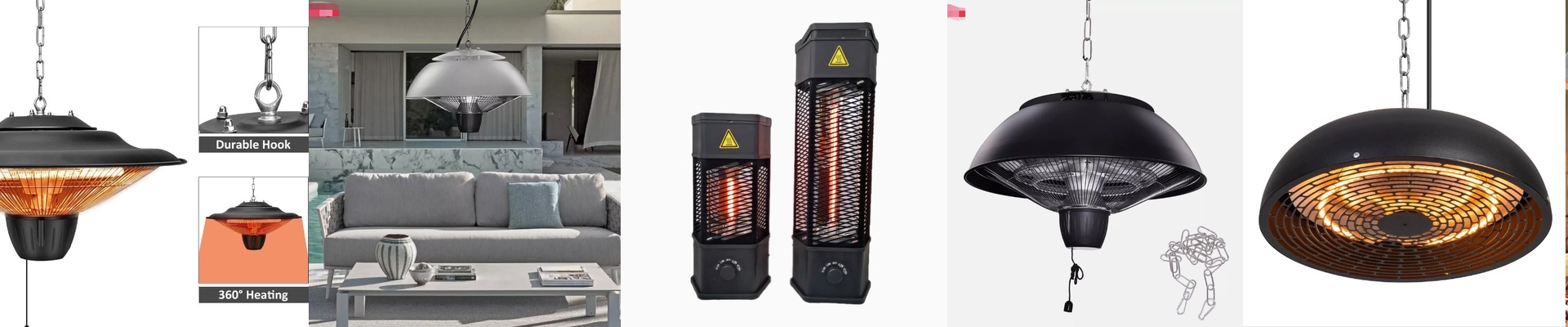
Winter quietly turns offices into a battleground. You know the drill: drafts at the door, desks that feel like ice, and people bundling up at their workstations. When comfort slides, focus goes with it. Productivity dips, and the sniffles start traveling down the row.
What matters, technically
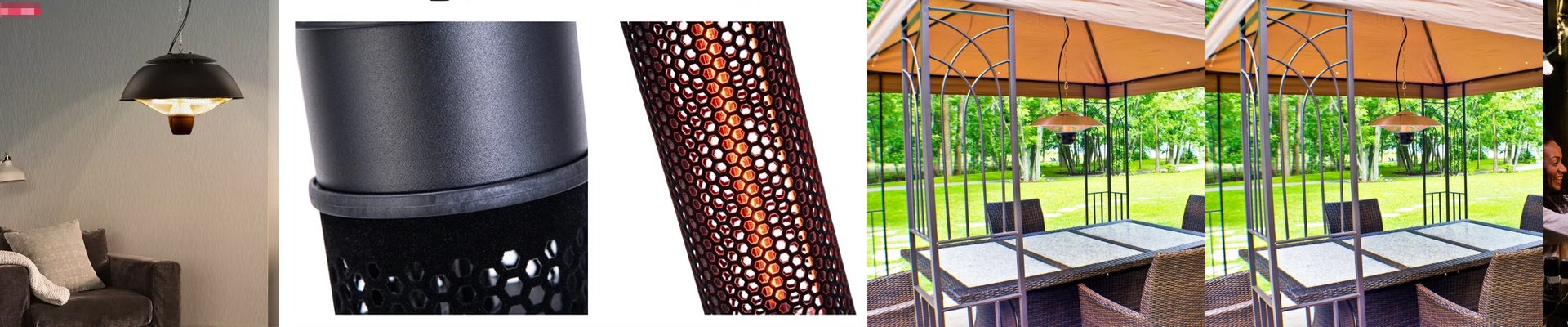
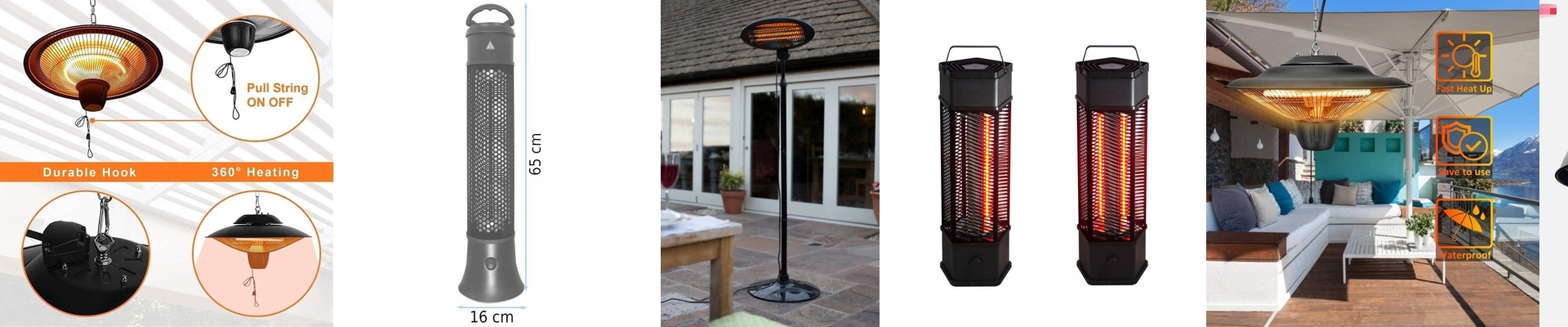
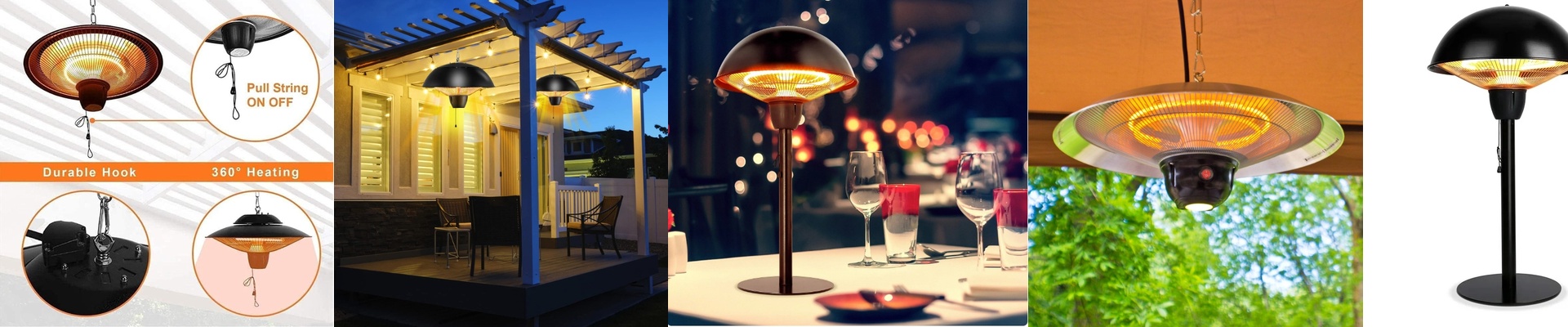
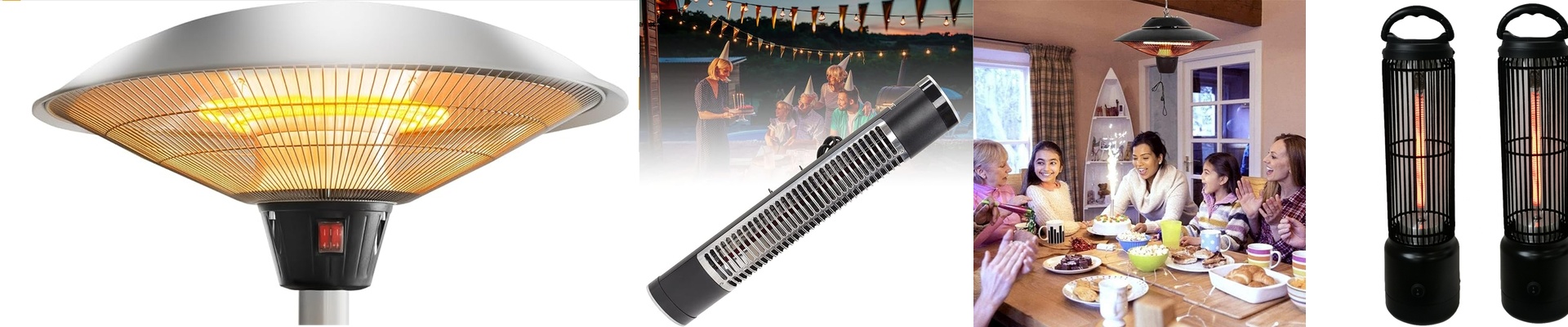
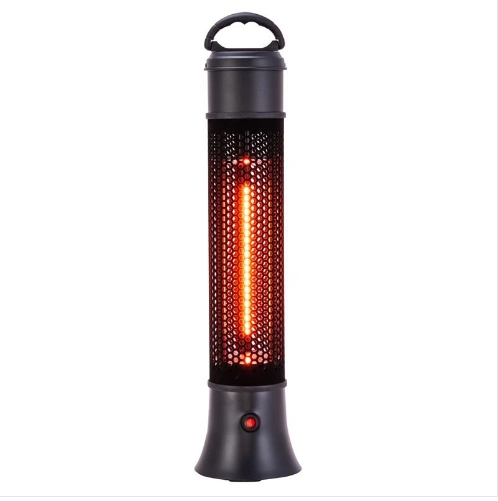
Infrared heaters don’t waste time warming air. They warm people and surfaces directly, so you feel the heat fast—without the noise and air movement of forced-air systems. Most modern units lean on carbon fiber elements or quartz tubes. You get steady radiant heat with low glare and consistent output. Electric models usually run on standard 120V outlets, and a common single-zone choice is around 1500W. Add a built-in thermostat and tip-over protection, and you’ve got a practical baseline: steady comfort with safety covered.
Why this fits an office
Office comfort isn’t just a perk—it’s performance. Radiant warmth helps circulation and keeps muscles relaxed, so people can settle in and stay steady. Because infrared heats what it touches—desks, chairs, people—the warmth feels immediate, even when the room air is still. That usually means fewer blankets at desks, fewer distractions, and fewer interruptions from shivering. In practice, teams tend to complain less when it’s cold, and workflow stays calmer. For managers, that often shows up as more consistent output and fewer absences when the temperature drops.
The things you actually need to know
Infrared heat is directional, so placement matters. Point the unit toward where people work and walk—common work areas and pathways—not up at the ceiling. Most electric heaters are plug-and-play, but they still need a dedicated circuit. Otherwise, you’re inviting breaker trips when demand peaks. And here’s the reality: radiant warmth won’t fix a drafty room by itself.Seal the gaps first, then layer the heat where people actually sit and move.