
Technical Deep-Dive: Power, Voltage, and Dimensions
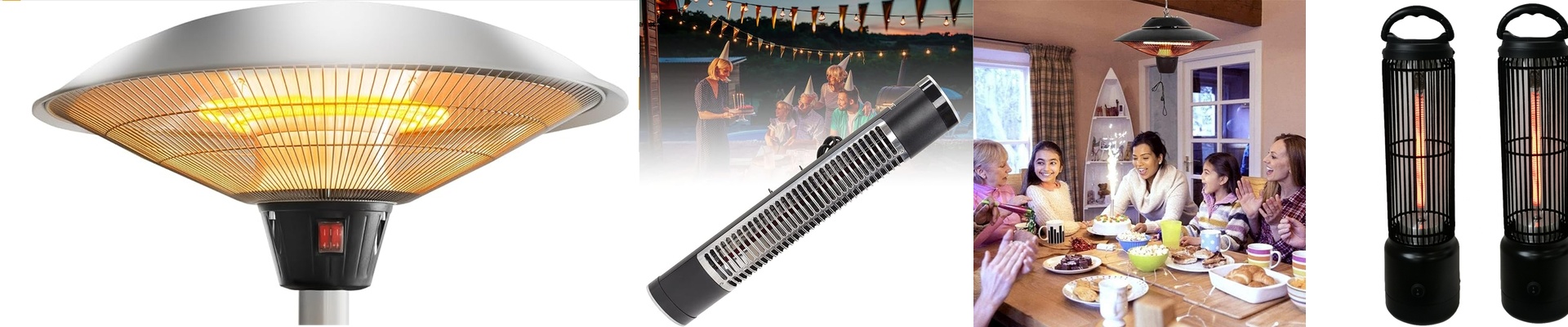
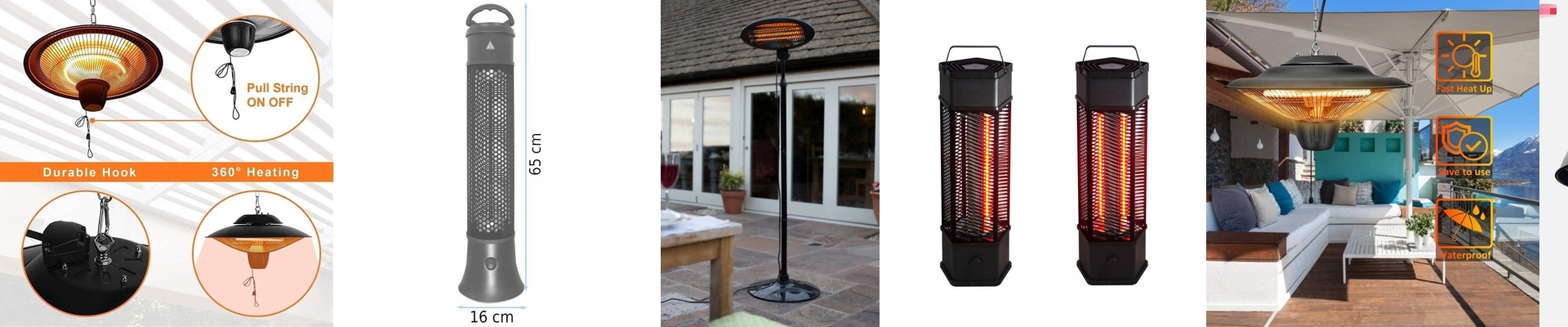
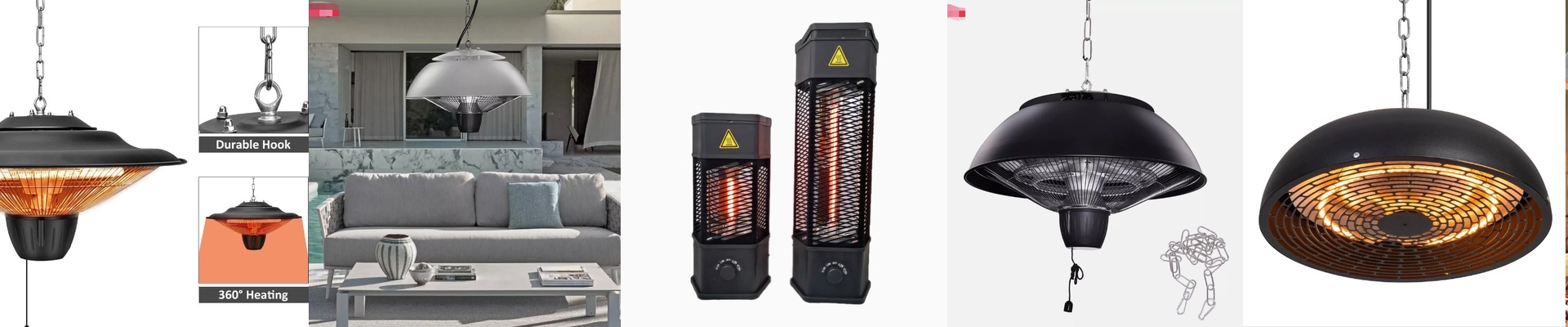
Here’s the thing about these custom electric heaters: we built them for one clear reality—packing serious heat into a small footprint. At the heart is a high-output infrared heating tube, focused like a laser on getting energy exactly where you need it. Voltage and wattage aren’t chosen at random. We match them to your equipment’s thermal load, point by point. A solid 400V input keeps power steady, even when your cycles are pushing hard. And the tube’s size? It’s dialed in so the radiant coverage hits the mark—no more underpowered heaters wasting energy, and no more over-built units that are a pain to fit.
Material & Design: The Modular Advantage
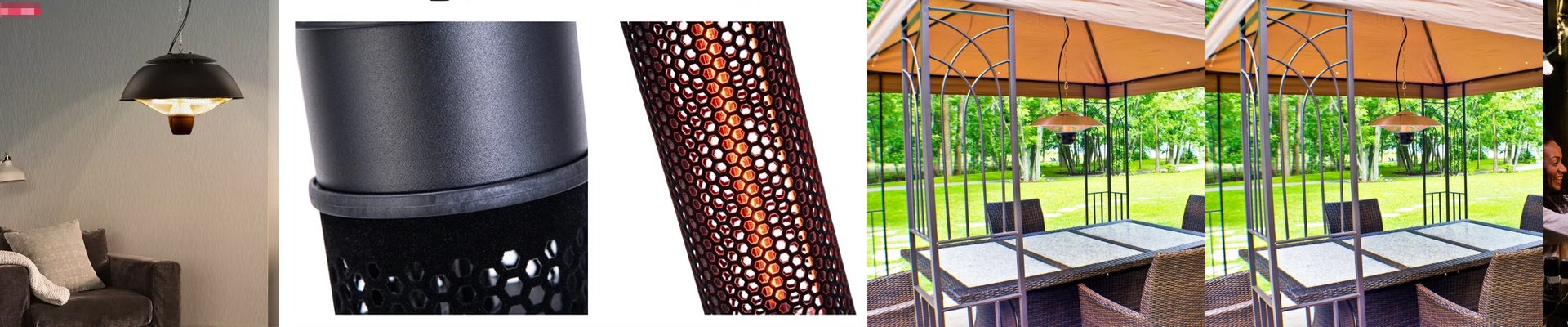
The real win is the modular design. When a heating tube burns out, you don’t need to fight a complicated housing or wrestle with a tangle of wiring. The tube itself is the replaceable piece. It works because we built in a tough, standardized connector that snaps in fast—carrying high current without arcing, without loosening. The quartz envelope handles sudden temperature swings, and a specialized coating keeps it protected from chemicals and the rough-and-tumble of the shop floor. In short, it’s a drop-in fix. No stress. No guesswork.
Application & Benefits: Planning for 5-Year Maintenance
We design these for engineers who think ahead. It’s not just about whether it heats. It’s about what happens when a tube fails—and how fast you get back online. In many plants, a 5-year maintenance cycle is standard. With this modular approach, a technician can swap out a failed tube in minutes, not hours. That keeps downtime low and your line moving. Now, there’s a trade-off to that kind of power density: your machine’s cooling system needs to be set up right to handle the extra heat in the environment. We deliver the heat. You just need a cooling plan that can keep up.