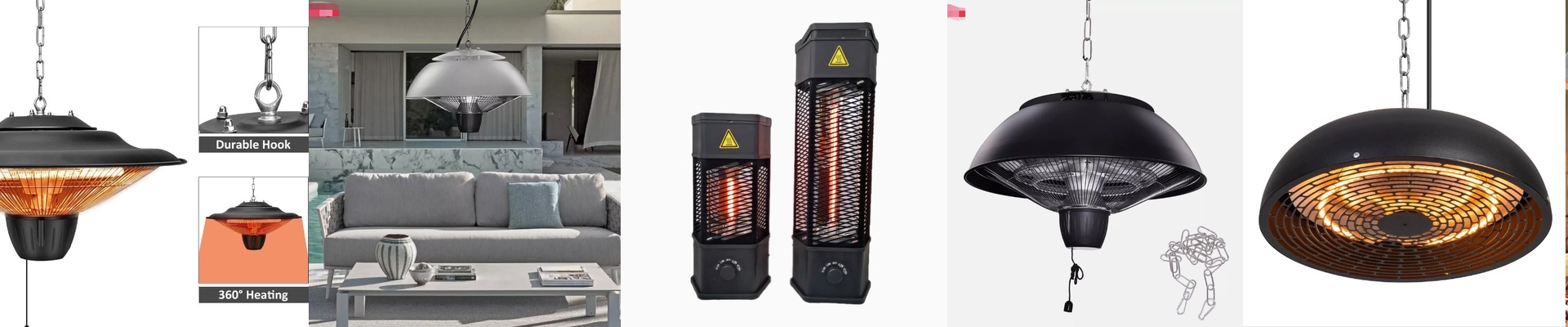
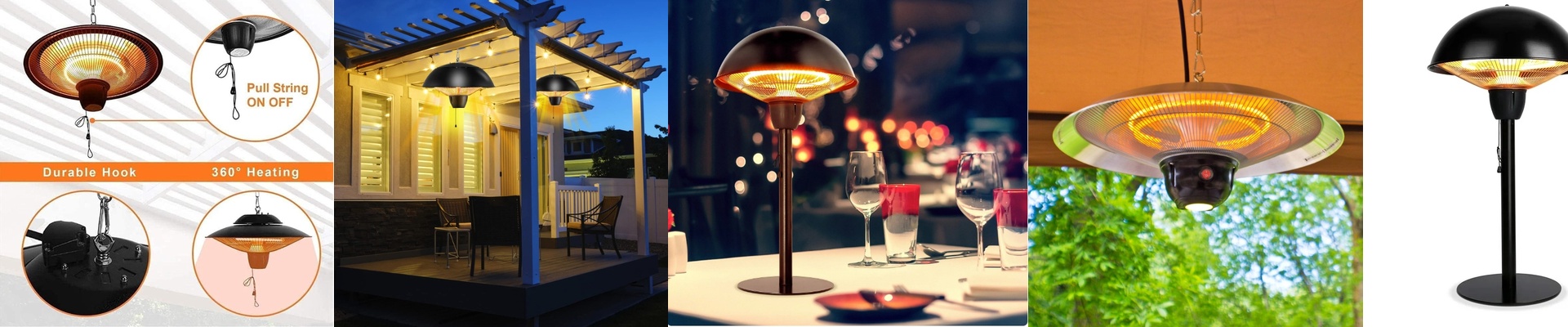
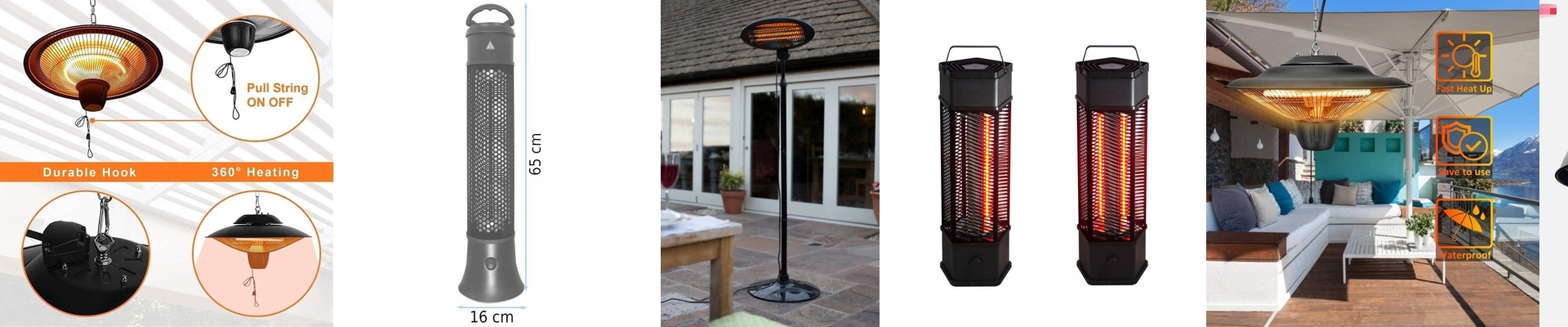
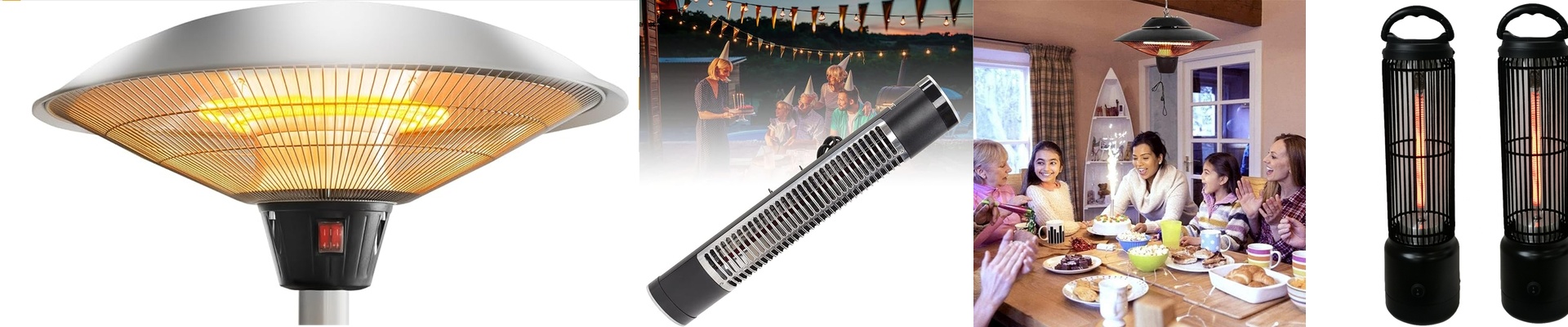
On the fab floor, the repair bench isn’t optional—it’s the final gate before a tool goes back into production. A single degree off target shows up as drift on the wafer. If the heater can’t hold temperature, the repair takes longer, the tool sits idle, and the schedule starts to slip. If the heater is dirty, particles move into the chamber, and the next lot can carry photoresist defects. In tool repair, the heater doesn’t just warm parts. It sets the line between a clean return and a costly rework.
What matters under the hood
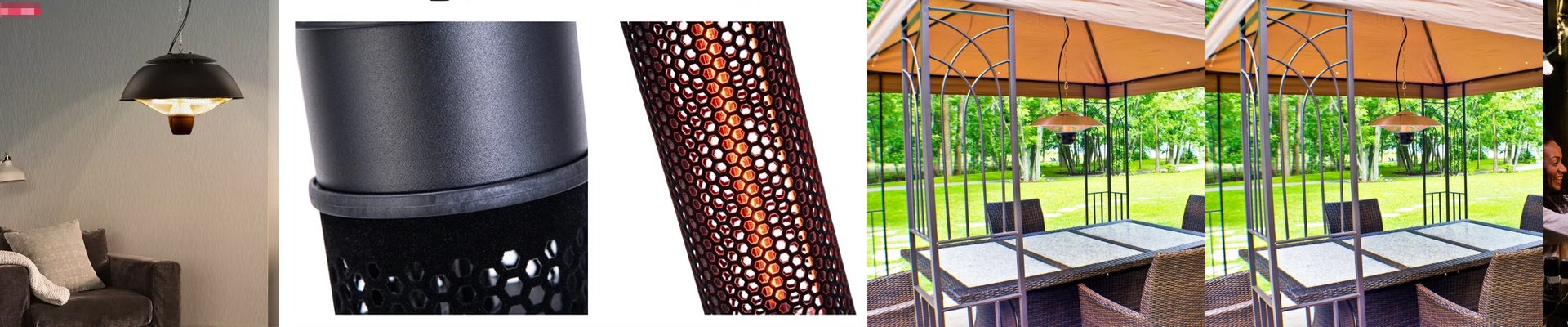
We built this infrared heater around the way repair actually happens: fast response, stable temperature, and no contamination. The emitter is short-wave infrared, housed in quartz. Short-wave delivers direct energy transfer, so you hit setpoint quickly without overshoot. The quartz envelope handles thermal shock when the heater cycles from idle to full load, again and again, across repair jobs. Thermal uniformity is ±0.1°C across the target area. In practice, that means the same temperature profile repeats from one repair to the next—whether you’re reflowing a bond pad, curing an adhesive, or running a controlled bake. Repeatability isn’t a talking point. It’s the difference between a repair that survives qualification and one that fails under thermal stress. Cleanroom compatibility is baked into the build. The housing uses low-outgassing materials, and the airflow path is laid out to minimize particle entrainment. It supports Class 1–100 cleanroom operation, and the geometry wipes down easily without trapping residues. Zero particle generation comes from eliminating exposed hot metals and controlling the interface between the emitter and the work area. Any particulate created during heating becomes a wafer defect. On the repair bench, the last thing a tool needs is contamination from the bench itself. Power comes through a robust connector matched to common fab tool power distribution, with voltage options to fit the platform. The footprint is compact, so it drops into tight service bays without forcing a rework of the workstation. Control repeatability is the other half of the spec. The temperature controller holds setpoint with minimal deviation, and the response curve is consistent from cold start to steady state. That matters when the repair procedure calls for a precise thermal budget—too little and the joint is weak, too much and intermetallic growth becomes a reliability risk.
Why this works in a fab
Tool repair lives and dies by downtime minutes and qualification lots. The heater has to pay its way on both. When a tool comes back from repair, it has to behave thermally the same as it did when it left the line. This infrared heater shortens qualification by delivering stable, repeatable profiles the first time. You’re not chasing setpoints, and you’re not burning extra test wafers to prove the tool is back in spec. Photoresist processing still demands temperature discipline, even on the bench. Soft bake and hard bake steps during module rework need the same control as production. With ±0.1°C uniformity, the cure stays consistent, line widths stay controlled, and you reduce the risk of scumming or incomplete cure. Cleanroom compatibility isn’t a checkbox. It’s a constraint for anything near the tool. The heater’s construction keeps particle counts low, so the bench doesn’t become a contamination source. When the tool goes back on line, the chamber stays clean, and the particle monitor shows it. Reliability on the bench is about uptime. We’ve seen units run continuously for thousands of hours with stable output. Fewer unplanned replacements mean fewer interruptions in the repair workflow. When the service schedule is tight, the heater isn’t the bottleneck. Energy use is real, even in a repair shop. Short-wave infrared heats the target directly, so there’s less wasted heat in the surrounding structure. That cuts the load on the workstation cooling and lowers energy cost per repair cycle. The outcome is straightforward: faster repair cycles, predictable thermal results, and fewer qualification failures. In a fab, schedule is yield in disguise.
The practical details that make it stick
No heater drops into every bench without planning. Here’s what matters to get the installation right. **Mounting and clearance are not an afterthought.**The heater performs best when the distance to the target is controlled and repeatable. Fixture the setup so the working gap is fixed, or build a repeatable standoff into the repair fixture. If the gap varies, uniformity drifts, and qualification will call it out. Electrical compatibility is mandatory. Match the voltage and connector to the workstation, and make sure the circuit protection matches the heater’s inrush characteristics. The controller needs a stable supply—line sag and transients show up as setpoint instability. Thermal management extends life. The housing stays cool at the interface, but the emitter runs hot. Provide ventilation as specified, and keep airflow consistent. If airflow is restricted, internal temperatures rise and component life drops. Cleaning is part of the process. Use solvents compatible with the housing materials, and stick to a wipe-down routine after each repair task. Don’t use abrasive wipes on the emitter surface. A clean bench only stays clean when the procedures are followed. One trade-off is real: the heater delivers high power density, which is why response is fast. But that also makes the system sensitive to misalignment. If the target is off-axis, the temperature profile shifts. Treat alignment as part of the fixture design, and the heater will hit the spec. If you’re running repair cycles around the clock, schedule preventive checks—clean the air path, inspect the connector, and confirm temperature sensor calibration. Planned maintenance beats surprise downtime every time. When the tool returns to production, the line doesn’t care how the repair happened. It cares that the tool behaves. This infrared heater was built for that reality: temperature held, cleanliness maintained, and repeatability proven on the bench—so the fab keeps moving.