
The Engineering Logic Behind Explosion-Proof Infrared Heaters
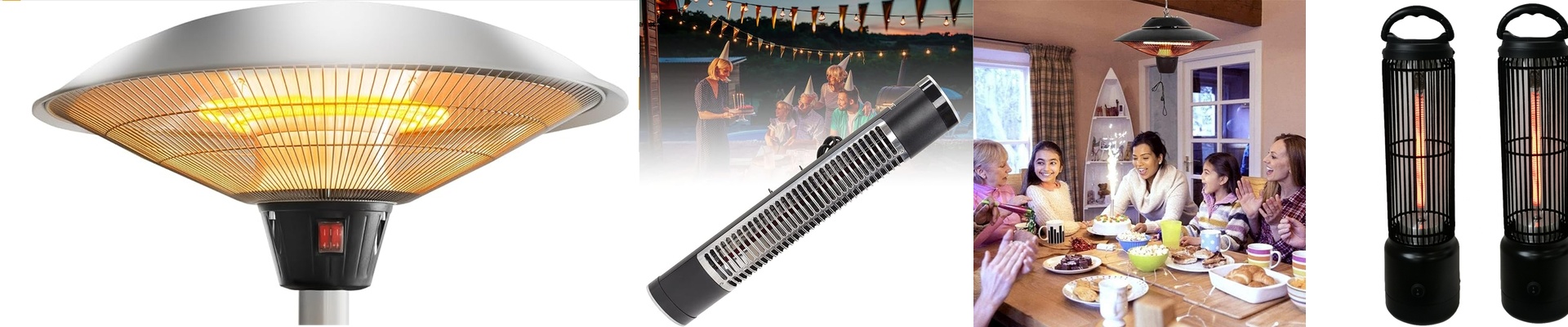
When we’re talking about heating a bathroom, warmth is just the starting point. The real goal is safety. You’ve got a space full of steam and, let’s be honest, potentially flammable gas. A standard heater in that environment is just asking for trouble. One small failure, one pressure spike, and things can go sideways fast. So, for our wall-mounted infrared heaters, we built in a specific solution: the explosion-proof quartz tube. It’s all about keeping you safe. This design is built to contain any internal failure, so the tube doesn’t shatter and send glass flying. The physics are pretty simple, really. The quartz envelope can handle sudden temperature swings, and a built-in pressure relief system keeps everything intact, even if the filament itself gives out. For a bathroom heater, this isn’t an optional add-on. It’s a must-have.
Core Material and Electrical Specifications
The heart of the system is the shortwave infrared heating element, all wrapped up in a high-purity quartz envelope. Quartz is a beast compared to regular glass. It handles rapid heating and cooling without breaking, and it just lets the infrared energy through beautifully. Inside, the halogen cycle keeps the filament clean and stable, so you get consistent, powerful heat for thousands of hours. No dimming. No blackening. And the electrical side is just as thoughtful. We use an R7s connector, which means it’s a direct, secure fit for standard industrial sockets. It’s a straight swap for what you probably already have, so you don’t have to rewire the whole thing. The voltage and wattage are tuned to pack a lot of heat into a small space, giving you that fast response without needing a giant, over-built chassis.
Application and Operational Realities
In a bathroom, you want heat that hits fast and focuses where you need it, without turning the whole room into a sauna. Infrared does exactly that. It warms people and surfaces directly, not the air in between. This cuts down on condensation and keeps all the electrical bits bone-dry. And that explosion-proof build is the final safety net, making sure that if something does fail, it fails safely. But here’s the thing. That kind of power comes with a trade-off. Because it runs so hot, the mounting hardware around it has to be able to handle that constant high temperature. So, you just need to plan your clearance and cooling. Get the lamp spec’d right for the job, and you’re left with a heater that’s reliable, low-maintenance, and meets the toughest safety standards out there.