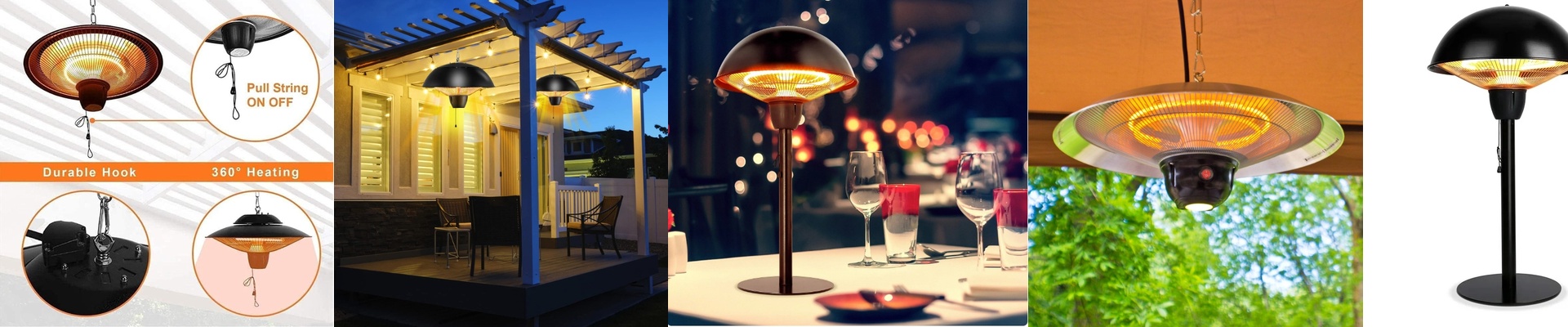
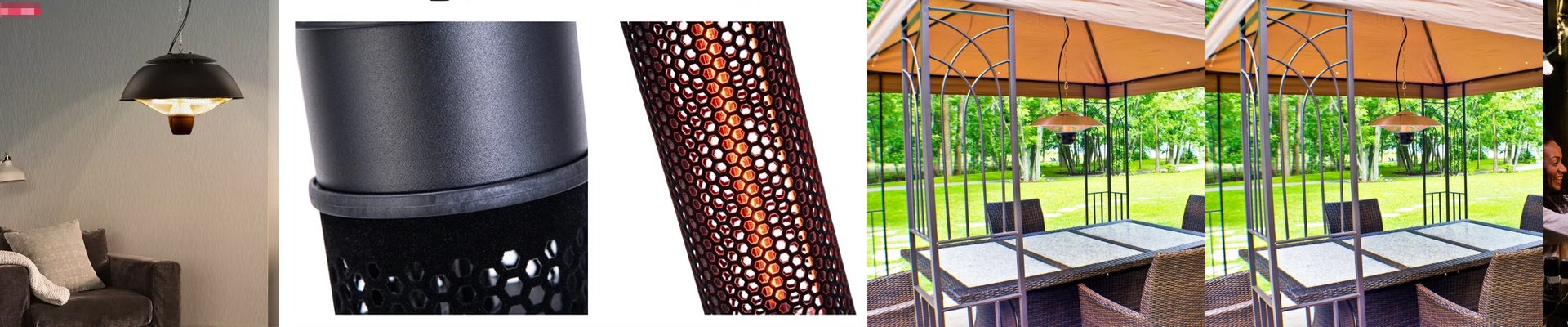
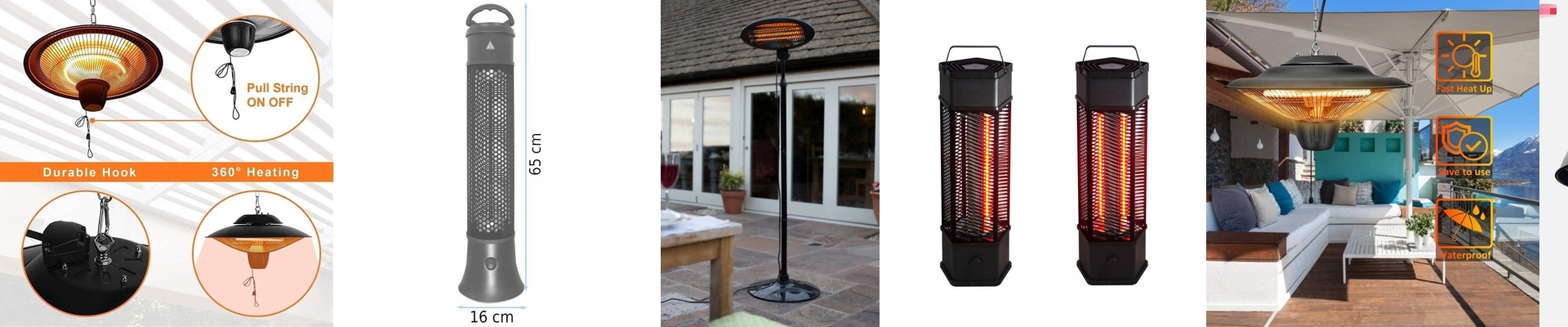
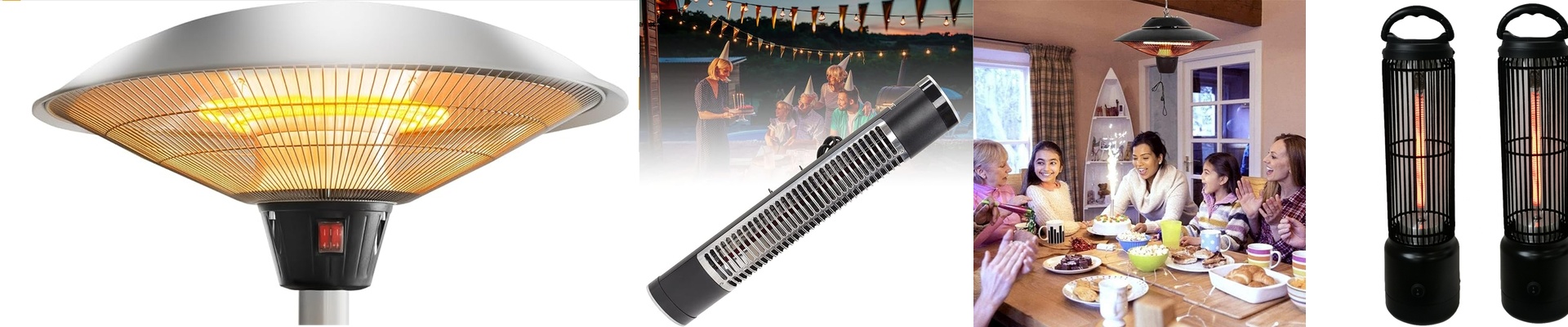
On the fab floor, a CVD chamber’s thermal profile isn’t just another parameter—it is the process. A 1°C drift across the wafer surface can shift film stress, tweak deposition rate, and push critical dimension control off spec. When the heater starts to drift, the line stops. We built our CVD infrared heater to keep thermal behavior inside the tolerances modern nodes demand—by design, not by wishful thinking.
What matters under the hood
This unit uses short-wave infrared elements to put heat where it needs to be, with sub-millimeter uniformity and wafer-level temperature control that holds ±0.1°C across the substrate. Repeatability is baked in: same thermal signature, cycle after cycle, so film thickness and stoichiometry don’t drift on you over time. The heater body is compatible with quartz and metal-halide environments, stays clean in Class 1–100, and runs with zero particle generation once it settles. Power delivery is stable, with low thermal inertia for fast settling after recipe changes—less idle time, no loss of control.
Why it holds up in real CVD
In CVD, heat has to behave predictably despite gas flow, pressure swings, and batch changes. This heater keeps the substrate temperature consistent edge to edge, so deposition stays uniform and within thermal budget. You see it as higher yield and fewer rework lots. Energy use drops because response is quick and overshoot is minimized, and uptime improves because the system is built to run 24/7 with maintenance intervals you can plan around.
The details that bite you
Matching the heater to the chamber matters. Confirm the mounting interface, aperture size, and thermal load path with your chamber OEM—get that wrong and you’ll create local gradients even with a stable heat source. Short-wave IR also needs proper shielding and grounding, or you can cook nearby photoresist and throw off metrology tools with stray thermals. Plan the integration early, then let the numbers do the talking.