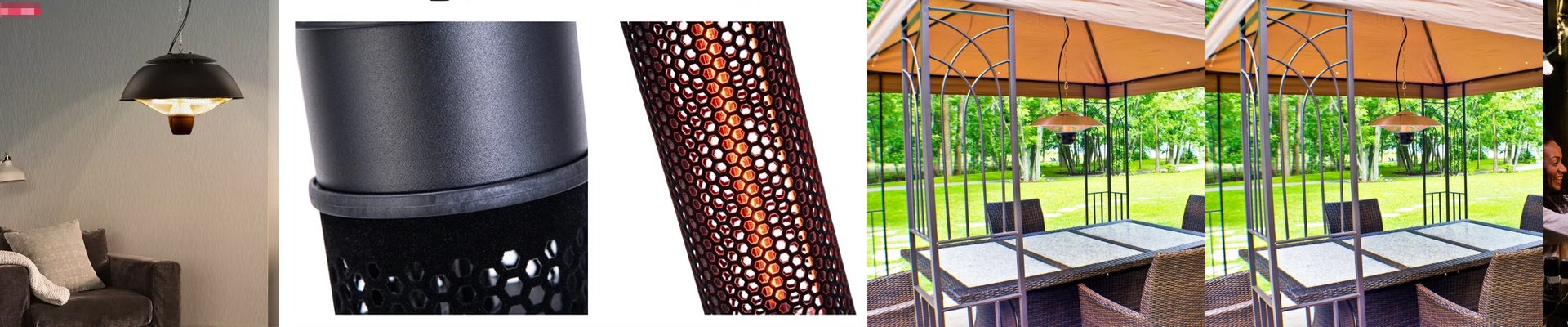
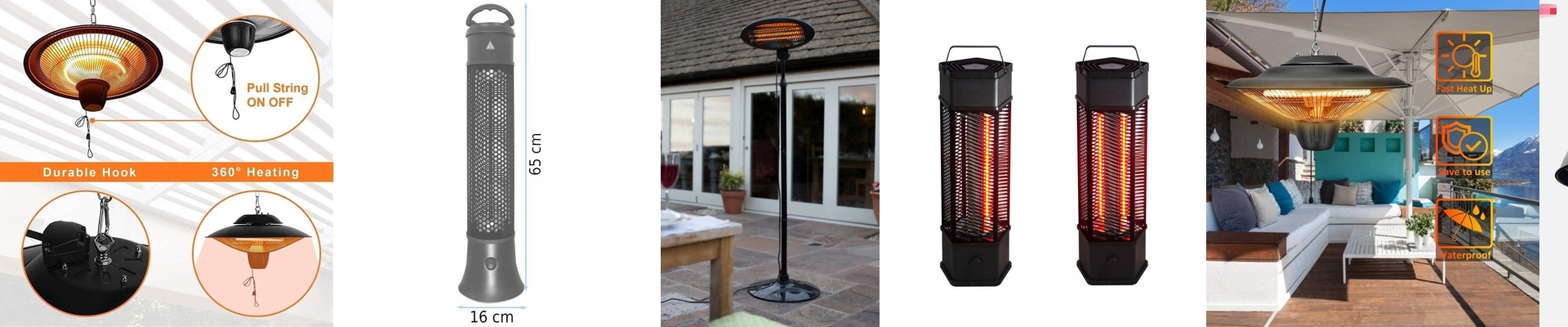
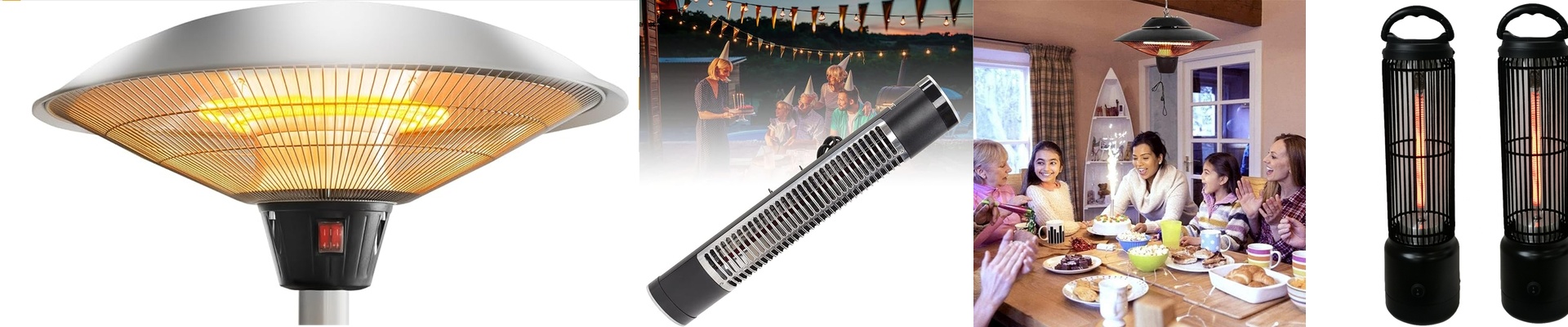
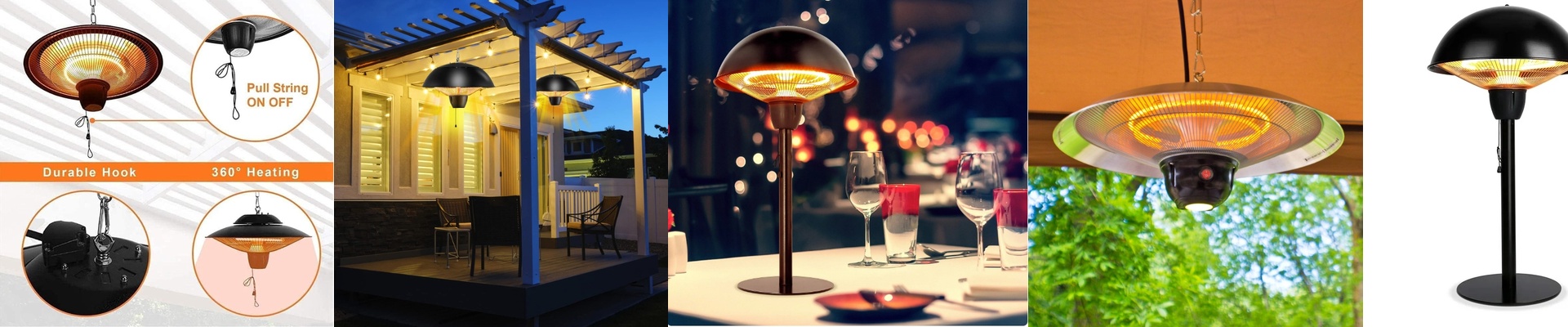
Warmth That Doesn’t Steal Your Space
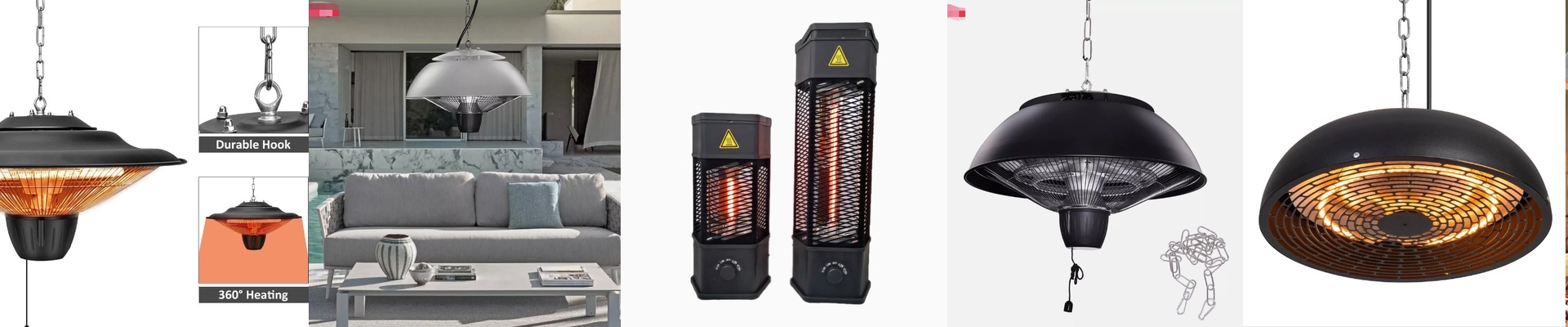
You know that feeling when your apartment feels cozy in theory, but in reality, the heater takes up half the room? Yeah, us too. That’s exactly why we built this wall-mounted infrared umbrella heater. It solves the real problem: limited square footage. Traditional heaters try to warm the whole air in a room, which takes forever and eats up floor space. Ours takes a different approach. It uses high-intensity infrared to warm people and objects directly. The result? You feel the warmth almost instantly, you use less energy, and you don’t have to rearrange your furniture around a bulky unit.
Power That Makes Sense
Here’s the thing about this heater—it’s designed to work with what you already have. We match the output to the room’s needs, using standard wattages that run on a 220–240V outlet. That means no heavy-duty wiring. No special transformers. Just a simple install. The umbrella shape isn’t just for looks. It focuses the heat into a directional cone, so you’re not wasting energy on empty corners. And because it mounts on the wall, it stays out of the way. The profile is slim, so you can put it near an entryway or right above your favorite reading nook without blocking the flow of the room.
Built to Last, Built to Perform
Inside, you’ve got a halogen-filled quartz tube housing the filament. It gets hot fast, responds quickly, and just keeps going. The tube has an infrared coating that shifts the heat spectrum, so your skin and your furniture absorb it better. And those connections? They’re tough. Designed to handle repeated on/off cycles and the stress of heating up and cooling down without getting loose. The quartz envelope can take the shock of power cycling, too. No cracking when you flip the switch.
Real-World Use, Real-World Trade-offs
The best part? In an apartment, the wall mount is a game-changer. You get serious warmth without giving up a single square inch of floor space. Installation is straightforward—drill, anchor, wire it up. Done. The directional heat warms you up fast, and the outside of the unit stays much cooler than those old bare-element heaters. But there is one thing to keep in mind: line of sight matters. If something’s in the beam, it casts a shadow and won’t get the direct warmth. So you’ll want to plan the placement to cover your main spots. And since the heat is concentrated, it warms the area you point it at—not the whole room. Just make sure your circuit can handle the load, and you’re set.