Stop the Bathroom Mold Battle with Infrared Heat
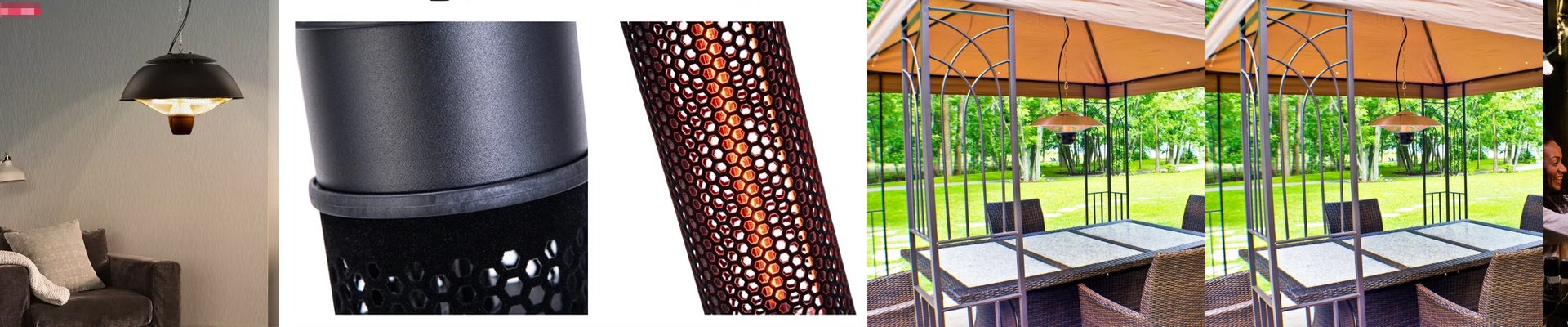
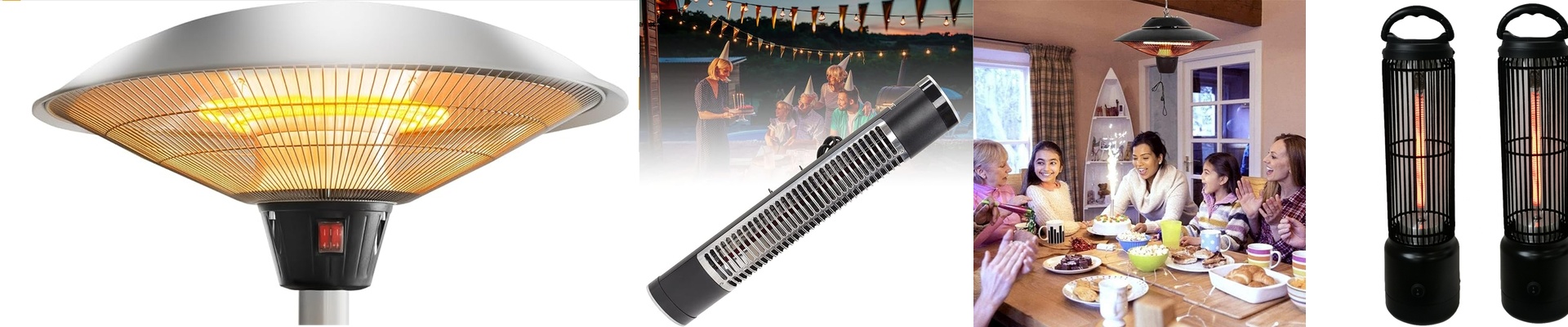
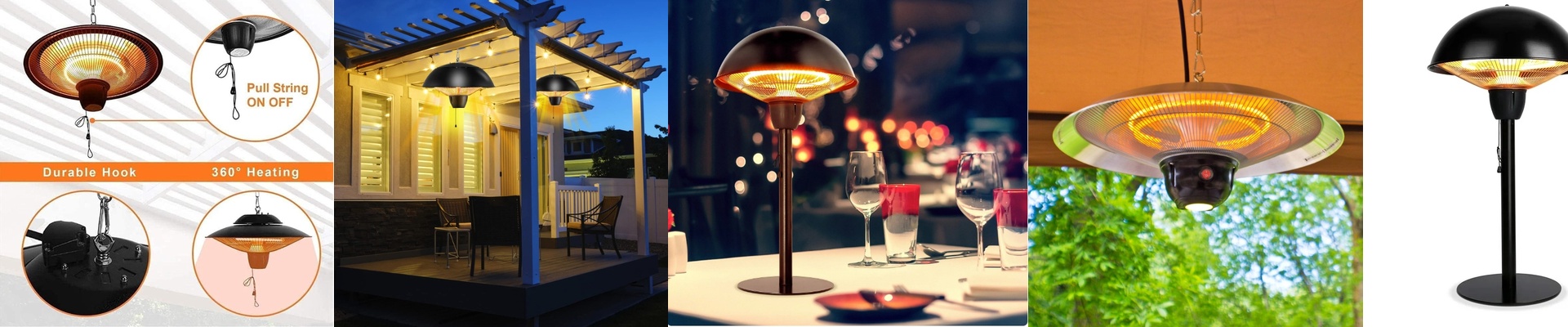
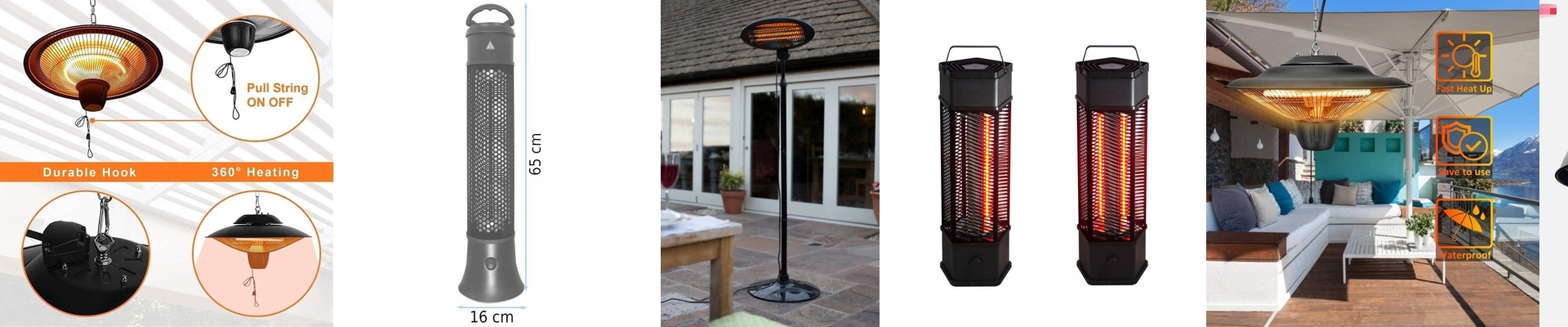
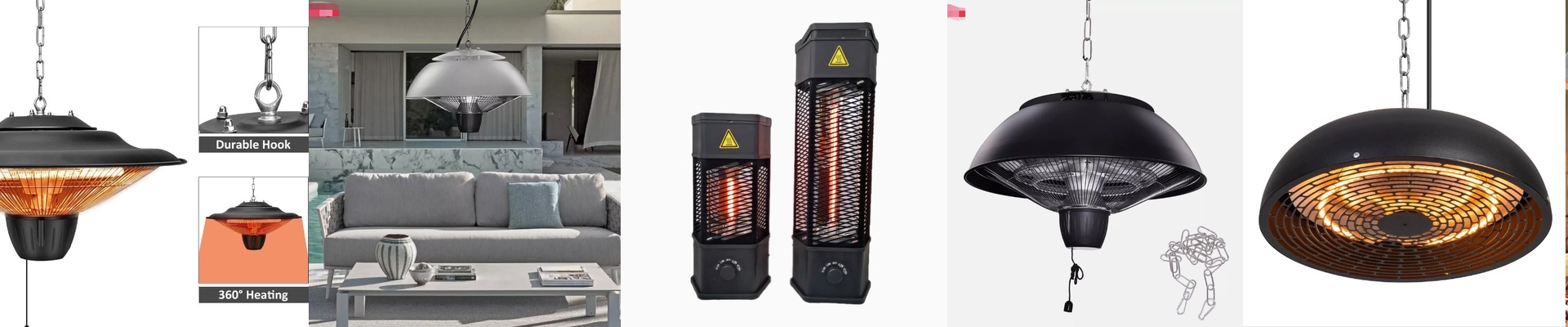
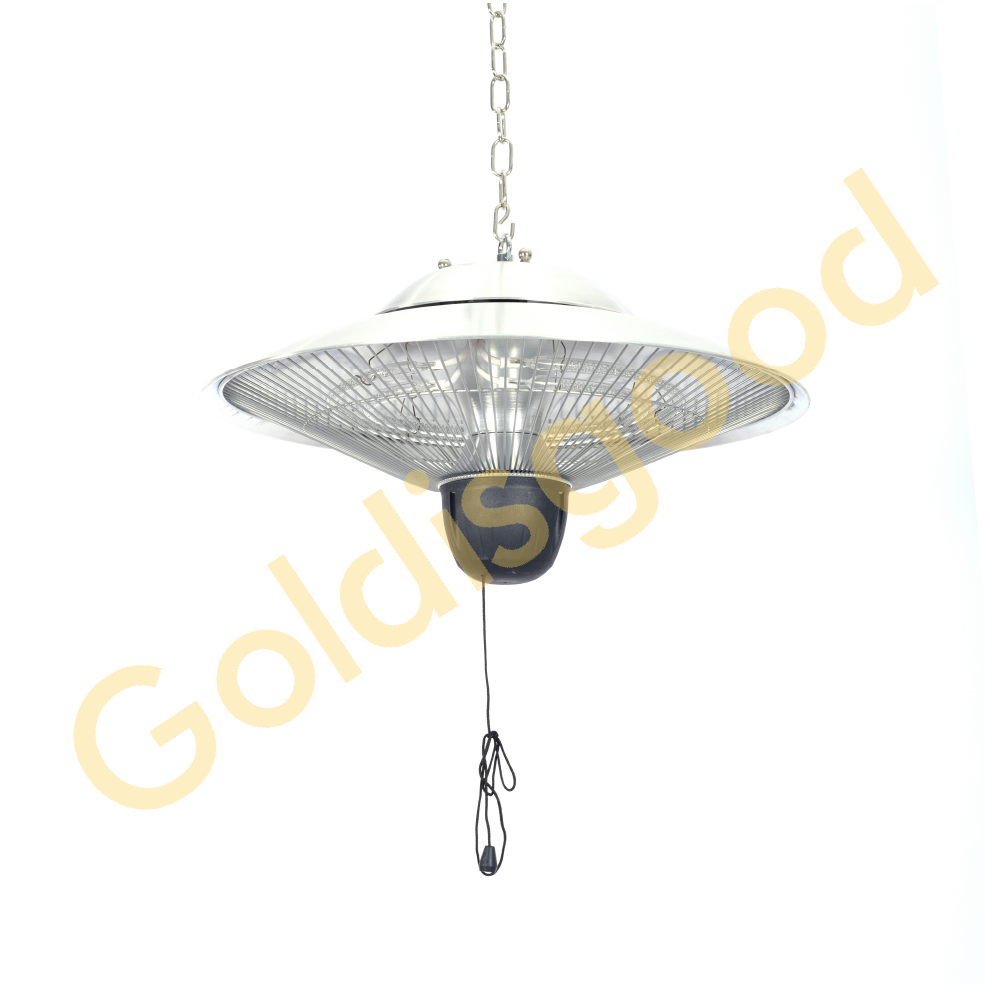
Let’s be honest: bathroom heaters are usually just there so you don’t freeze when you step out of the shower. But we look at it differently. We design our infrared lamps to go after the real enemy—the damp spots where mold loves to hide. When you put a shortwave infrared lamp in a steamy bathroom, you aren’t just warming up the air. You’re actually targeting the walls and the floors.
Why this actually works
Most heaters just blow warm air around. The problem is that the air gets warm, but your tiles stay cold. That’s how you get condensation. Infrared is different. It sends out energy that sinks right into the surface of your walls. It gets the water molecules vibrating, which warms the wall itself. Here is the trick: if the wall stays warm enough, water can’t settle on it. No damp walls, no moisture film, and no place for mold spores to move in and start a colony. You’re basically taking away the mold’s home.
Getting the heat right
We play around with the spectral output to find that sweet spot between “cozy” and “bone-dry.” Shortwave radiation is high-energy. It hits the surface and triggers a fast evaporation cycle. Your bathroom dries out way quicker than it ever would with a standard convection heater. But you have to be careful with the wattage. If you cram too much power into a tiny space, you’ll burn out the lamp or overheat the whole fixture. On the flip side, if you go too low, the walls won’t get warm enough to stop the fungus from growing. It’s all about balance.
The “Real World” stuff
Water and electricity don’t mix. That’s why we use IP-rated housings. They keep the steam from messing with the electrical contacts, because if those seals fail, your lamp is toast. And one more thing: don’t forget your vents. If you pump all this radiant heat into a sealed room with zero airflow, you’ve just built yourself a sauna. You still need a basic exhaust fan to pull that evaporated moisture out of the house. Otherwise, the water is still in the room—it’s just floating.