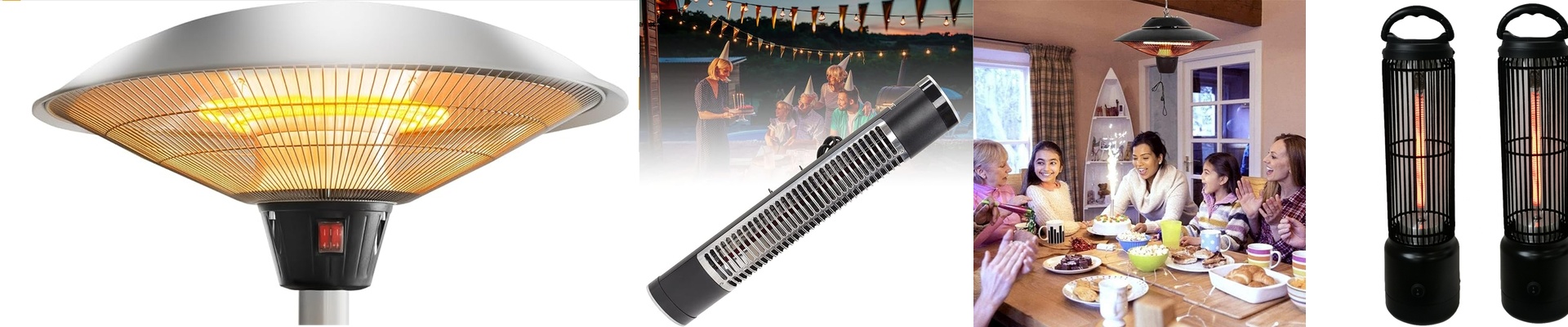
Why modern bathrooms are ditching old bulb heaters for serious, waterproof infrared
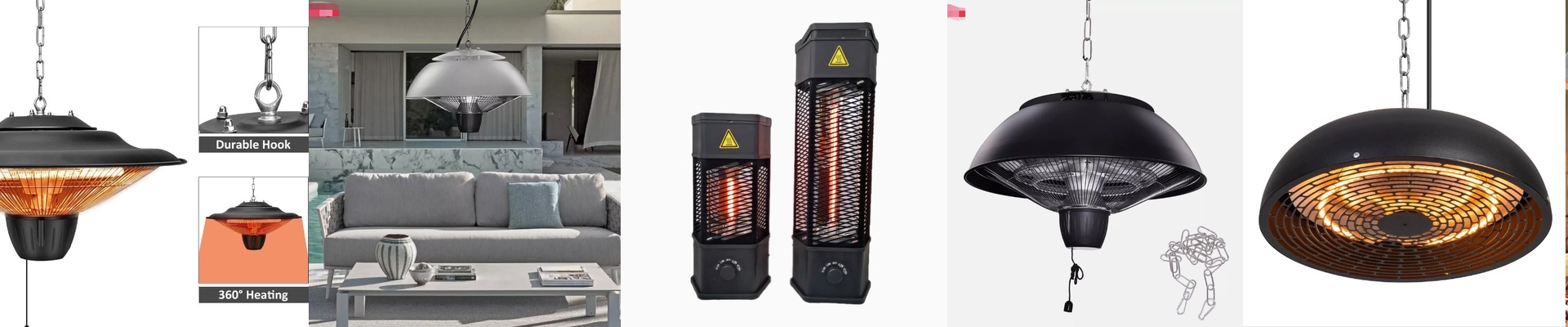
Here’s what’s happening in real bathrooms and outdoor bars: folks are swapping out those old lamp-style heaters for tough, waterproof infrared units. And honestly? It makes total sense when you think about it. Old bulb heaters were always fighting a losing battle with moisture. They threw off light, sure, but the heat came with a side of fragility. These new infrared heaters, on the other hand, were built to live in wet spaces and just keep humming. No drama. No failures. Just warmth.
Power that makes sense
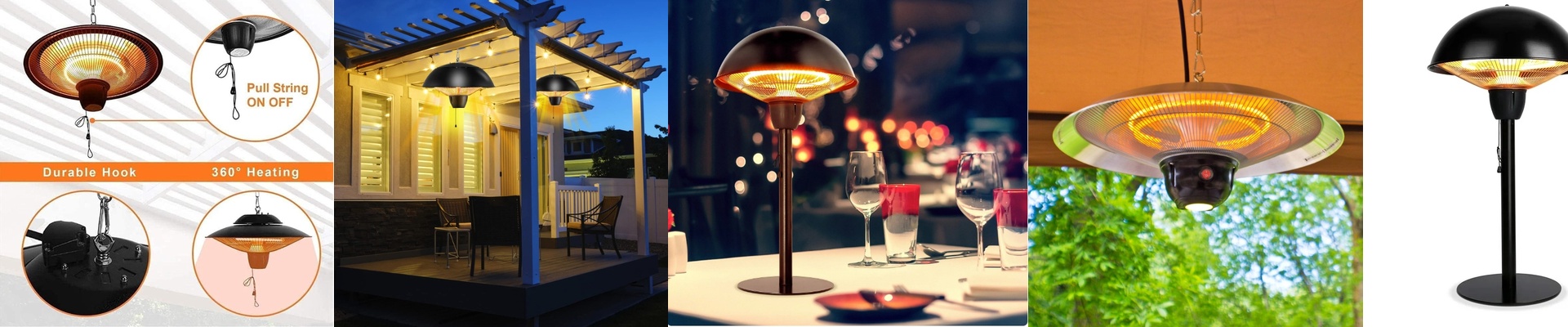
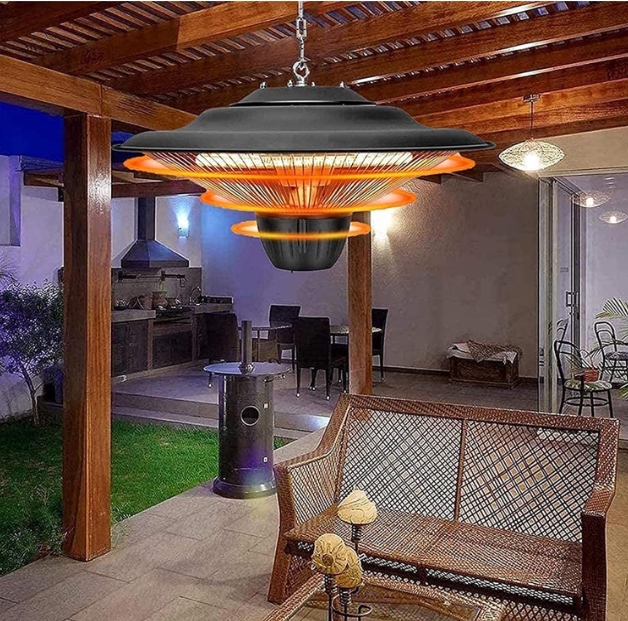
We built these units to run on 220V–240V—the same standard you find in commercial spots and outdoor bars. It’s the kind of power that feels steady, not sketchy. You get focused heat where you need it, without draining the circuit or wasting energy on light you don’t want. And the size? Surprisingly small. They slip into tight corners where bulky convection heaters would never fit. Mount them right on a patio beam or the bathroom ceiling. You get a lot of warmth in a tidy package, which means you feel the heat fast, and you’re not paying to warm up the whole outdoors.
The guts that make it work
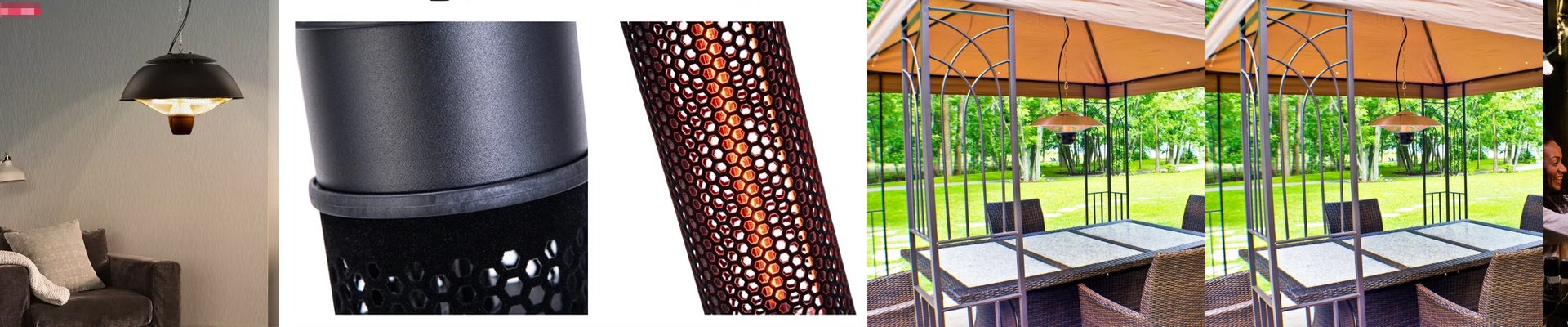
Inside, you’ve got a halogen-filled quartz tube. Quartz is the hero here—it takes high heat without cracking under pressure. The halogen cycle keeps the element stable, even when it’s running for long stretches. But the real win is the waterproof coating. This isn’t just a pretty finish. It’s a proper seal that blocks rain and steam, stopping leaks and protecting the filament from moisture damage. Then there’s the R7s connector—a two-pin design that clicks in solid. You wire it, snap it, and it stays put. Even if things get a little shaky, it doesn’t wiggle loose or create hot spots. It’s just dependable.
Where they shine: bathrooms, patios, and wet zones
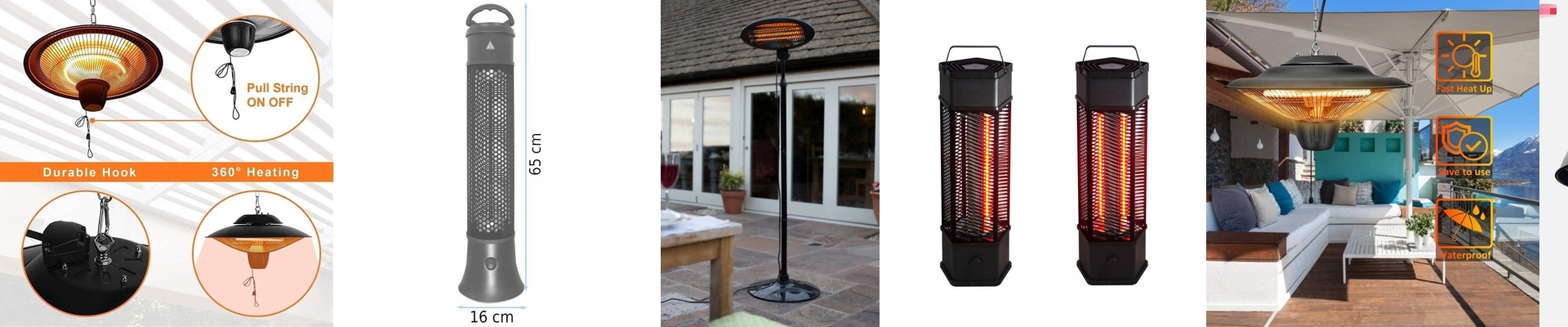
These heaters were made for places where water is part of the daily routine. The waterproof build holds up against spray, steam, and rain. No ducting. No complicated setup. Just mount, hardwire, and you’re done. And the comfort? It feels different. Infrared warms people and surfaces directly, not the air. That means fewer drafts and a steady, gentle heat. One thing to keep in mind: it’s focused warmth. So plan your spots—make sure you’re covering the right zones. If you want warmth you can count on in wet, exposed spaces, this is the kind of setup that quietly gets the job done.