Stop Losing Money When the Temperature Drops
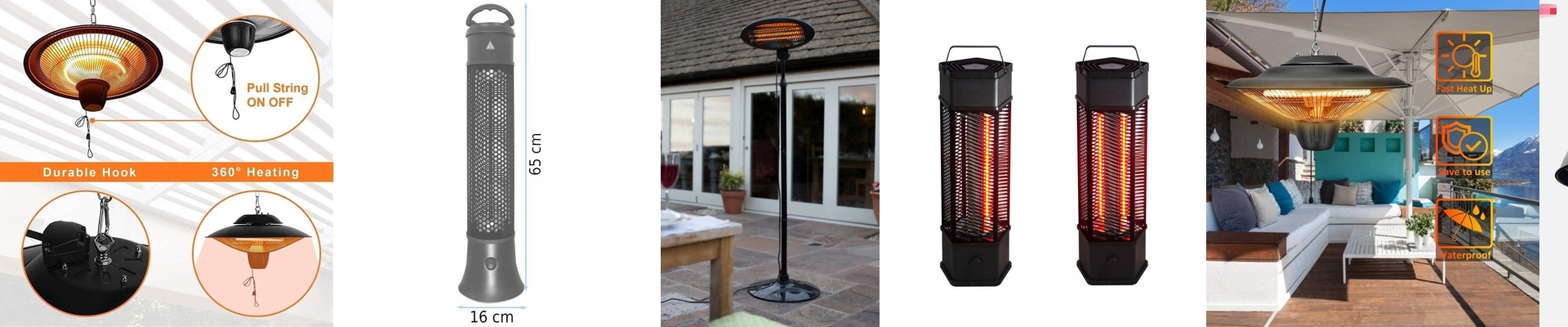
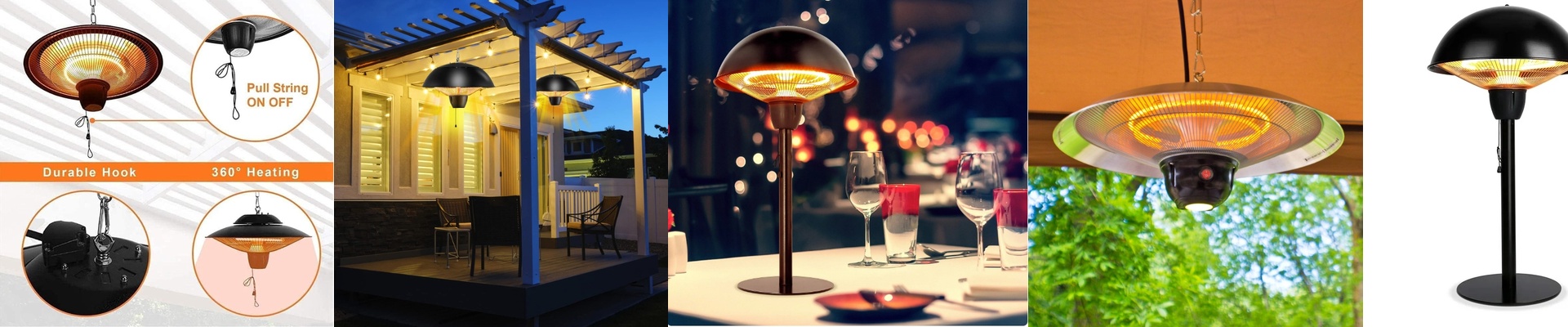
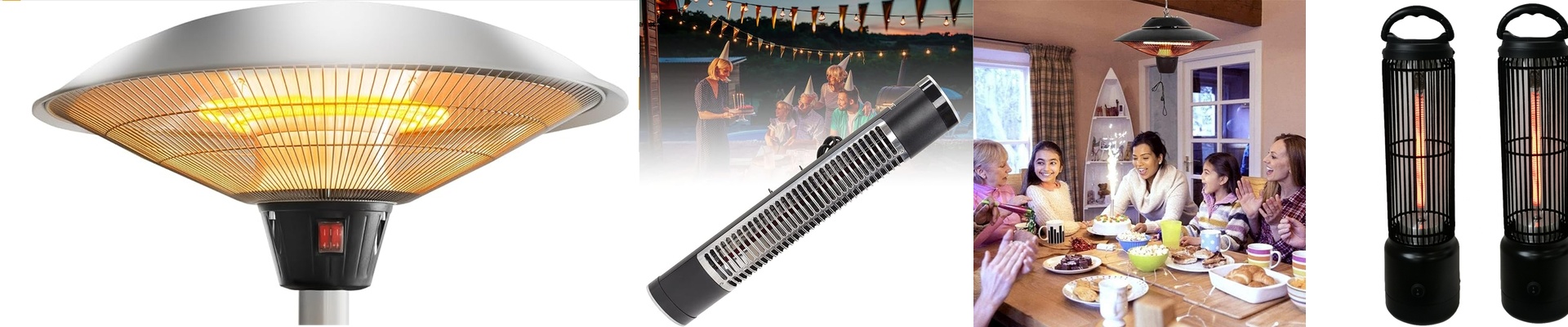
Let’s be honest: empty outdoor tables are a nightmare for any restaurant owner. When the air gets crisp, people stop sitting outside, and your revenue takes a hit. But you can actually fix this. Putting waterproof infrared heaters in your pergolas changes the whole vibe. Most heaters try to warm up the air. That’s a losing battle because the wind just blows the heat away. Infrared is different. It beams heat directly onto your guests and their furniture. It feels like sitting in the sun on a spring day, even if there’s a breeze kicking up around them.
The Magic of Shortwave Heat
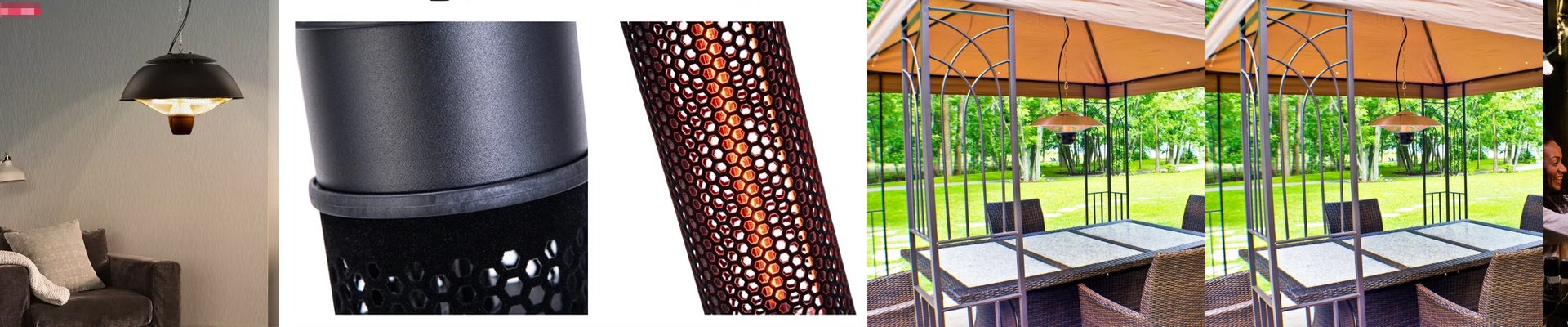
We stick with shortwave infrared for these setups. Why? Because it’s fast. The heat doesn’t wander; it travels in a straight line and hits the skin instantly. When you mount these overhead in a pergola, your guests feel that warmth on their shoulders and heads the second they sit down. No waiting around for the “area” to warm up. It just works.
The Boring (But Important) Tech Stuff
Since these live outdoors, you can’t just buy any heater. You need something that can actually handle a rainstorm. We use sealed housings to keep moisture far away from the electrical terminals. If water gets into the wiring, you’re looking at tripped breakers or, worse, a dead system right in the middle of a busy Friday night. Also, a quick heads-up on power: these aren’t your typical plug-and-play space heaters. Most commercial units need a dedicated 220V-240V circuit. You’ll want to check your breaker panel before you start drilling holes. If you try to overload a circuit, you’re just asking for burnt-out wiring.
Making it Pay Off
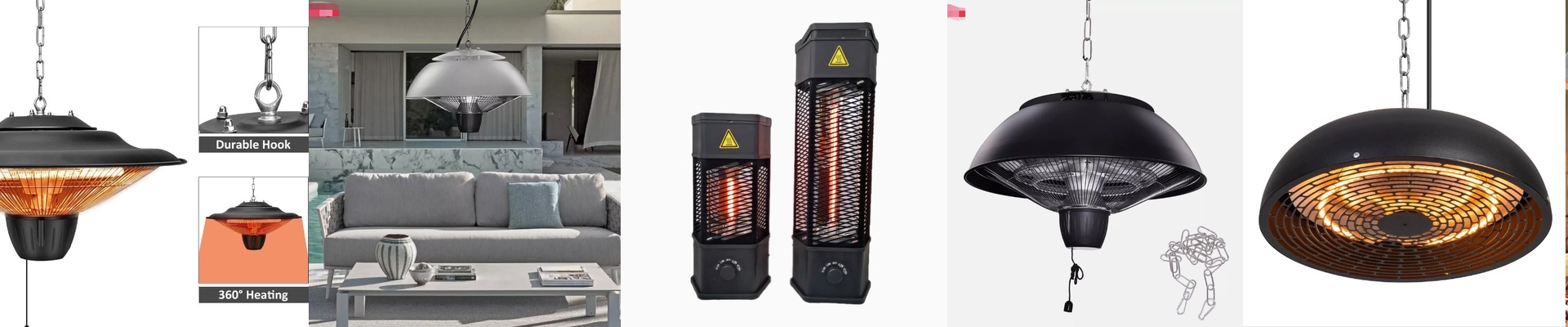
When people are warm, they’re happy. And happy guests stay longer. They order that second bottle of wine or a dessert they weren’t planning on. The math is simple: better comfort equals more money in the register. But here is the trick: placement is everything. High-intensity heat is powerful. If you hang the heaters too low, you’ll bake your guests’ heads while their toes are freezing. You have to find that sweet spot between the wattage and the mounting height. Get the spacing right, and you’ll avoid those annoying “cold spots” where guests are huddled together trying to find the warmth. Get it wrong, and you’ve just created a very expensive heat lamp for a few lucky people.