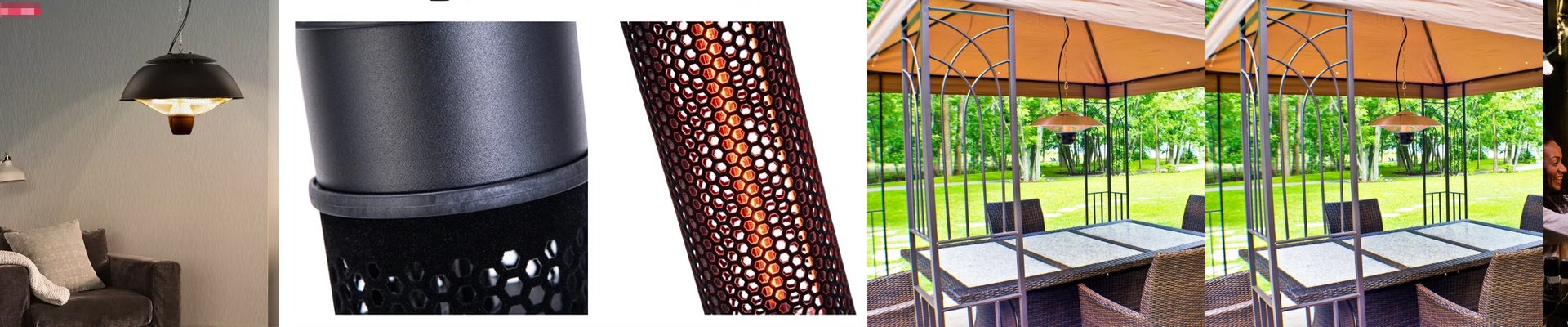
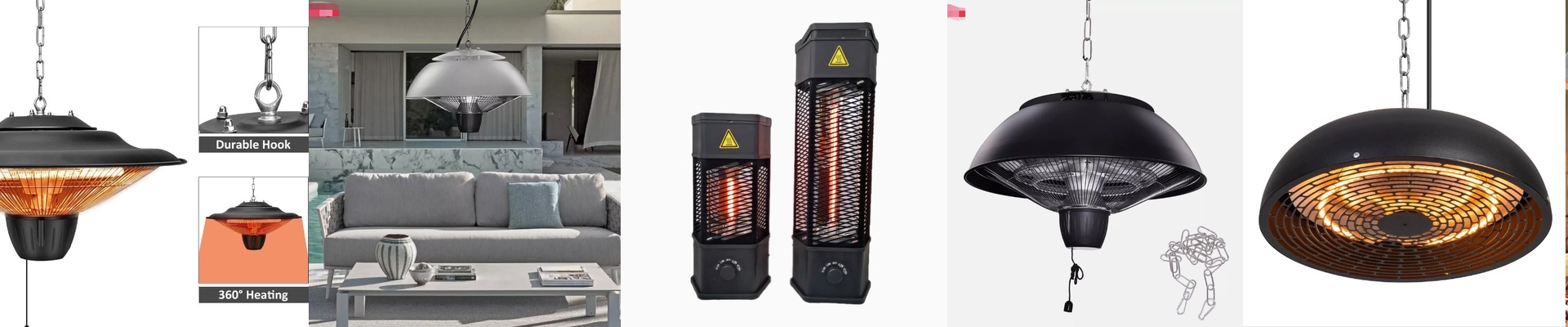
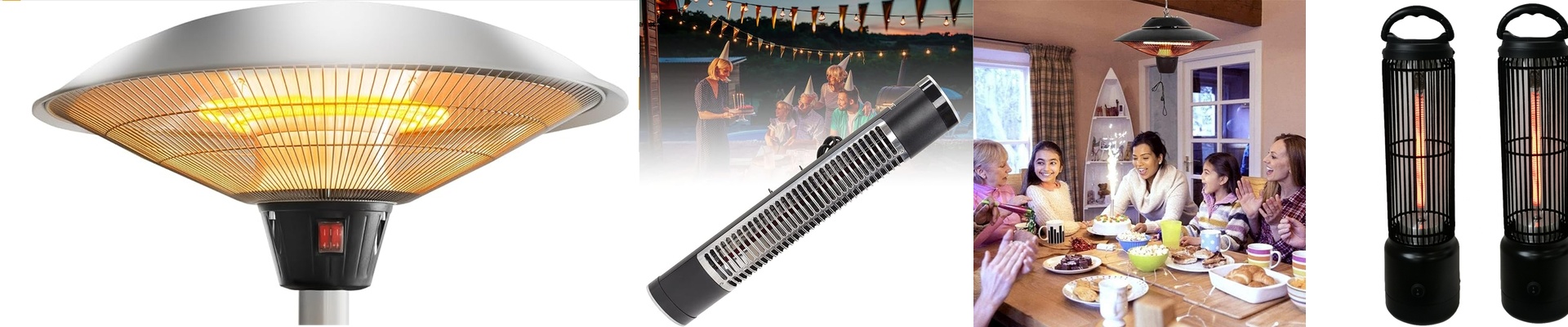
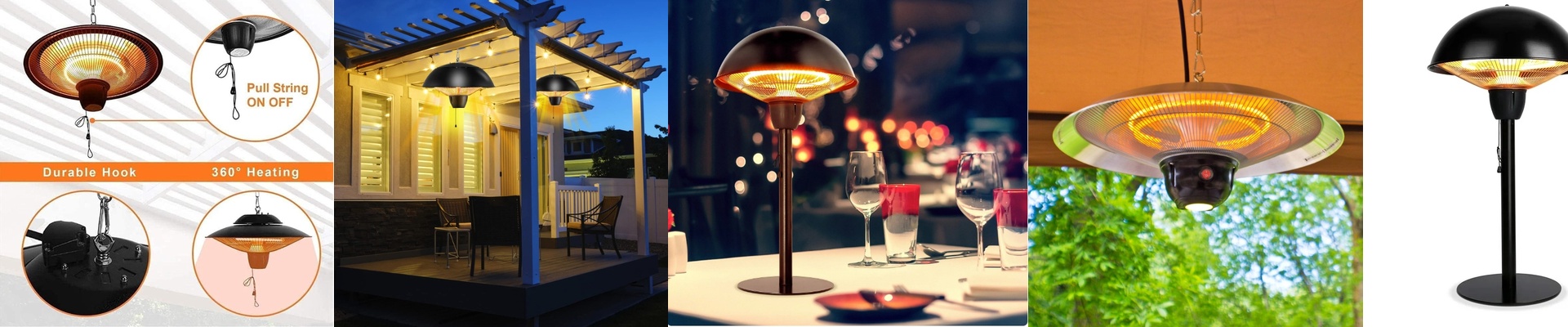
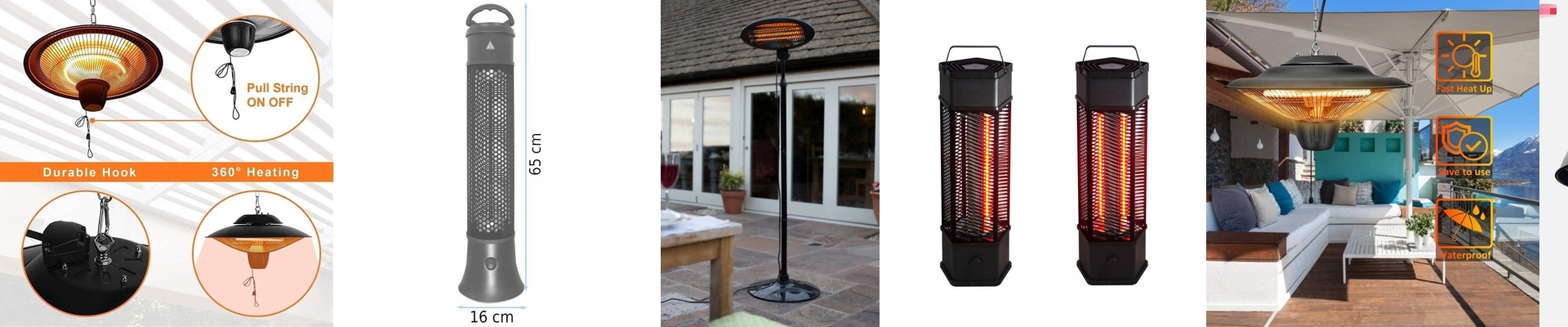
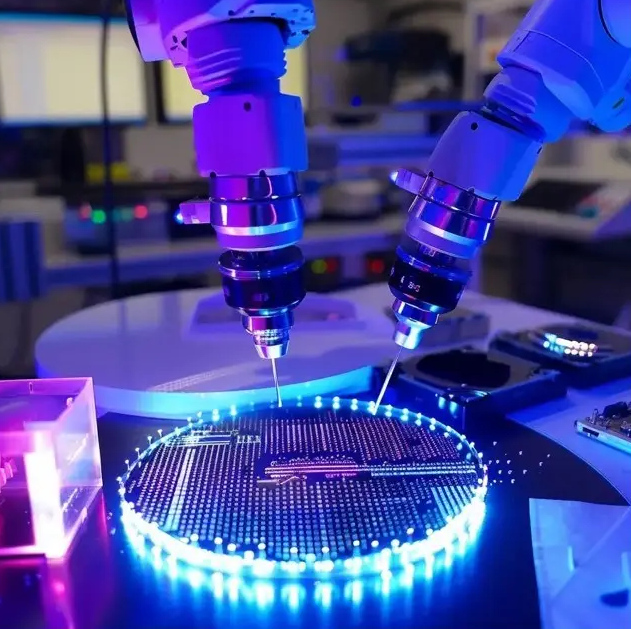
On the line, hydrogen sensor fabrication doesn’t forgive drift. One bake outside tolerance, and your photoresist profile falls apart—yield drops, wafers get scrapped. We built this heater to keep the thermal budget locked in, run after run. What matters under the hood It uses short-wave infrared with a quartz emitter, so the response is fast and clean. Temperature uniformity across the wafer holds at ±0.1°C, which is what lets soft bake and hard bake setpoints turn into repeatable critical dimensions. It’s compatible with cleanroom Class 1–100, thanks to a low-outgassing design and zero particle generation during thermal cycling. Control repeatability sits at ±0.2°C over 10,000+ bakes, and it keeps running 24/7 with no unplanned downtime. The specs are straightforward: 200–240 V input, a compact footprint that fits retrofits, and standard connectors for quick integration. Why it fits hydrogen sensor work In hydrogen sensor stacks, the sensing layer and the electrode interfaces are thermally sensitive. Tight uniformity cuts edge-of-wafer bias, so you spend less time reworking and less product in the scrap bin. Fast, stable ramps shorten cycle time without risking under-cure or over-bake. Power use drops because the heater hits setpoint quickly and holds it without much overshoot. Maintenance drops, too—no hot spots, no surprise excursions. You just get consistent bake performance, lot after lot. A few shop-floor notes It drops into most wafer processing platforms, but make sure the thermal coupling to the chuck matches your tool’s tolerance. Expect a short commissioning run to dial in ramp profiles for your specific photoresist stack. The output is stable, but the quartz emitter needs scheduled inspection in high-volume lines—plan the window, and you won’t get blindsided.