
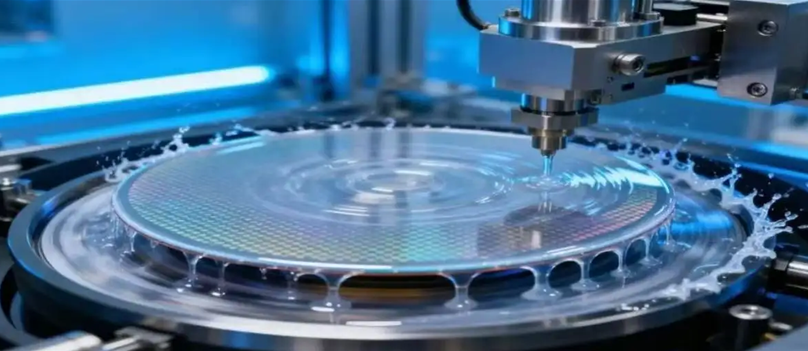
Stop Wasting Your Heat: The Real Deal on Gold Reflectors
When you’re running a wafer fab, you don’t actually want “more heat.” What you want is for every single watt coming off that lamp to actually land on the wafer. Most of the time, that’s a struggle. We use gold-coated reflectors to stop that energy from just vanishing into thin air and instead force it into a tight, focused beam. Why gold? Think about a standard quartz lamp. It throws heat in every direction. A huge chunk of that energy just hits the chamber walls or leaks out, which wastes power and makes your cooling systems work way harder than they should. We fix this by adding a thin layer of high-purity gold to the reflector. Gold is just better at bouncing infrared light than aluminum or stainless steel. It pushes that shortwave radiation straight back toward the wafer without soaking it up. The result? You get a much higher heat density right where you need it, without having to crank up the voltage and pray it works. Getting rid of the “cold edge” If you’ve dealt with large-scale processing, you know the pain of the “cold edge.” It’s a nightmare for consistency. By tweaking the shape of the gold surface, we can concentrate the energy flux. This lets you hit your target temperatures much faster. When you can ramp up quickly, you lower the overall thermal budget, which is a win for everyone. The catch (because there’s always one) Here is the thing: when you focus that much intensity, the lamp’s own electrodes and seals start feeling the pressure. If you’re pushing the wattage to squeeze out more throughput, you’ve got to make sure your cooling gas flow is dialed in. If the airflow isn’t there, that concentrated heat can actually warp the quartz tube or blow out the seals. I always suggest keeping a close eye on the lamp’s skin temperature. It’s the only way to make sure you aren’t accidentally burning out your gear. It basically turns a blunt heat source into a precision tool. You stop fighting physics and just start putting the energy exactly where the wafer needs it.