Making Your Smart Fab Actually Work: The Truth About IR Curing
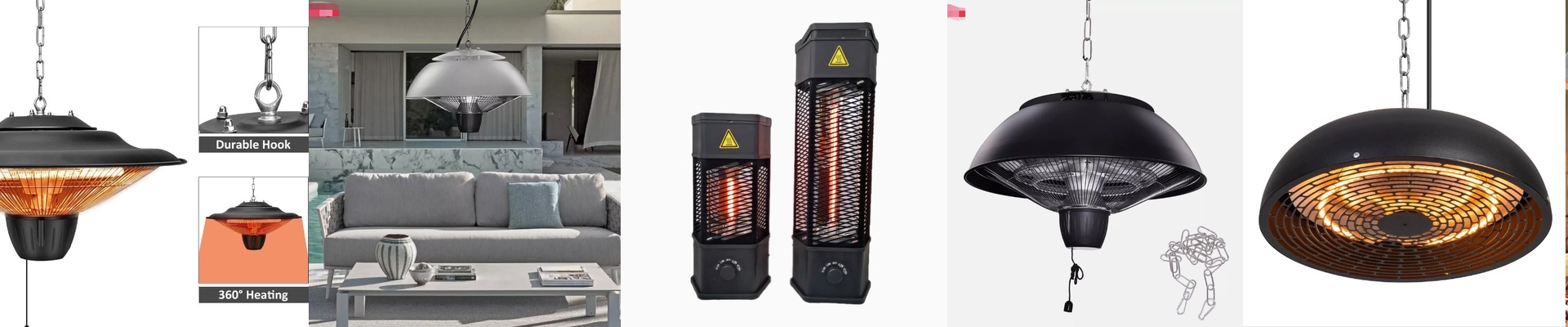
If you’re building a Smart Fab, the first thing you’ve got to do is ditch those old-school heating setups. You need gear that actually talks to your PLC. That’s why we stick with certified infrared (IR) curing lamps. They’re fast. Really fast. Unlike those big convection ovens that take forever to warm up or cool down, IR lets you tweak the heat on the fly based on what your sensors are telling you. It’s a completely different way of working. Getting the data right Digital production is all about precision. We set up these IR systems so they plug right into your data layer. By using SCR controllers to dial the power up and down, you can basically map out the heat footprint of every single wafer or substrate that passes through. No more guessing. No more scribbling temperatures in a logbook and hoping for the best. You get a perfect digital record of every single heating cycle. The hardware side of things You need gear that can take a beating without burning out. We usually go with high-wattage quartz elements because they hit the target temp in seconds. To keep things simple on the floor, we use standardized connectors. When a lamp finally hits its end-of-life, you just pop it out and drop a new one in. It keeps the line moving. The stuff people forget Here’s the thing: high-density IR arrays are power-hungry. They put a massive load on your electrical panel. If you’re running a high-wattage bank, your wiring and breakers need to be ready for that initial surge of power. You can’t just plug these into a standard grid and pray it holds. And one more thing. I see engineers forget about the cooling all the time. Sure, the IR lamps are hitting the product, but the chassis around them is catching all that reflected heat. It gets hot. If you don’t have a solid ventilation system, your control electronics are going to bake. And once that happens, your “smart” sensors will start drifting or just quit on you entirely.