



Why Gold-Coated IR Lamps Actually Matter for Your Semi-Fab
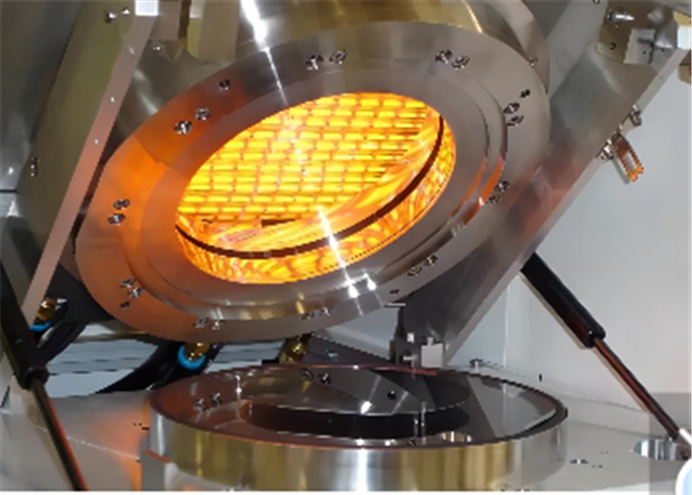
Getting the heat exactly right in semiconductor manufacturing is a nightmare. If you’re off by a hair, you’ve got a problem. That’s why we use gold-coated shortwave infrared (SWIR) lamps. They aren’t just fancy heaters—they’re built to move a massive amount of energy into a tiny space without wasting a ton of power. The secret is in the gold. Standard quartz lamps throw energy everywhere. But when we add a thin layer of gold to the quartz, it changes how the light behaves. It basically bounces the longer wavelengths back and pushes the energy into the shortwave spectrum. The result? You get a concentrated blast of heat hitting the wafer. It’s fast. Really fast. And because you hit your target temperature in a fraction of the time, you aren’t bleeding electricity while you wait for the ramp-up. Now, there’s a catch. When you pack this much power into a small footprint, things get hot. And I don’t just mean the wafer. Some of that heat leaks into the lamp housing. If your cooling system isn’t up to the task, you’re going to see warped brackets or fried connectors. It’s a trade-off you have to plan for. We also use high-purity quartz. Why? Because in a cleanroom, even a tiny bit of “outgassing” from cheap glass can ruin a wafer. Plus, that gold coating has to be perfect. If there’s even one tiny pinhole in the layer, you get a “hot spot.” One of those, and your wafer might just crack during rapid thermal processing. Not a great day at the office. The bigger picture. Switching to these gold-coated systems just makes sense for the planet, too. By cutting down the cycle time, you’re using fewer kWh per unit. It’s a simple way to hit those “Green Factory” goals without slowing down your production line. You just swap out the old, clunky heating arrays for these, and you’re suddenly running a leaner, cleaner operation.