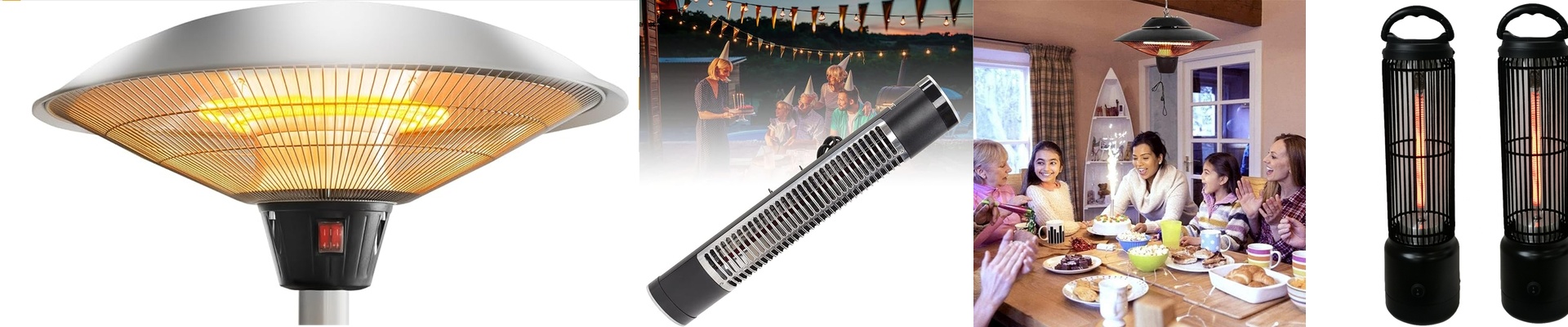
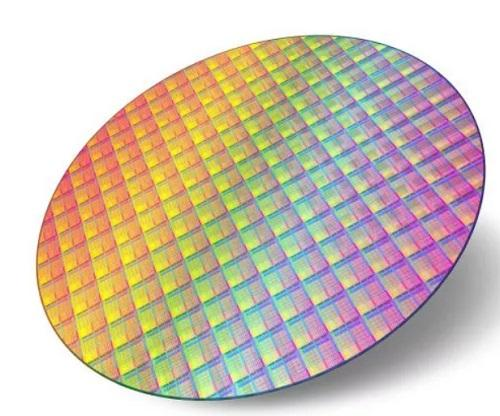
On the fab floor, you know the drill: a 1°C drift during the photoresist bake is enough to move critical dimensions and turn a whole lot of wafers into scrap. We built our semiconductor infrared heating lamps to kill that uncertainty for good. What matters under the hood We run short-wave infrared with a quartz envelope, so the heat is direct—line-of-sight, fast, and controllable. Across the wafer, the lamp holds steady-state uniformity at ±0.1°C, which keeps temperature gradients from throwing off exposure and development. It lives in Class 1–100 cleanrooms, and in-situ monitoring confirms zero particle generation. Output repeatability stays within 0.5% cycle-to-cycle, and thermal stability holds over 5,000+ hours with less than 5% output drop. Why it plays well in lithography In lithography, that stability tightens the soft bake and hard bake windows. CD control gets tighter, and rework drops because the bake is consistent lot after lot. It hits setpoint fast, so you can shorten bake time without blowing past the photoresist thermal budget. The same headroom carries into wafer cleaning and drying. Controlled, even heating means fewer surface defects and fewer edge bead headaches. And you save energy because the lamp heats the target, not the chamber walls. The practical details you can’t skip Installation has to be on point: optical alignment is exact, and you need dedicated power conditioning to prevent transients that can show up as output ripple. The lamp works with standard OEM fixtures, but plan the integration around thermal clearances and EMI shielding. And keep a scheduled calibration plan—especially after a lamp swap—so uniformity stays within spec.