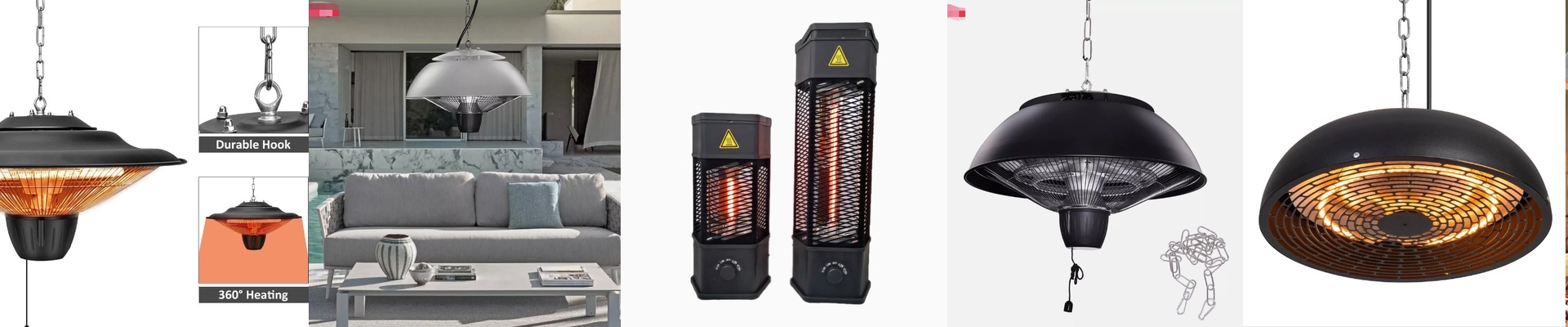
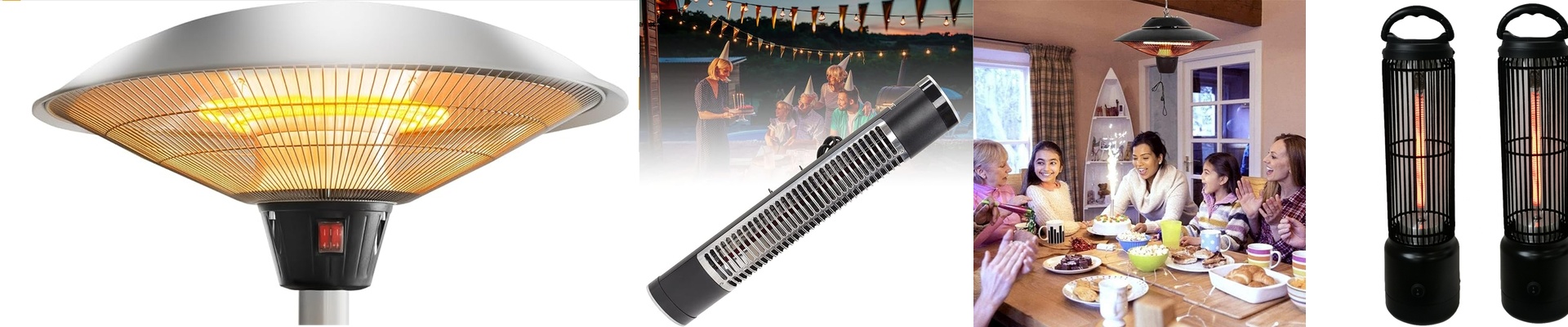
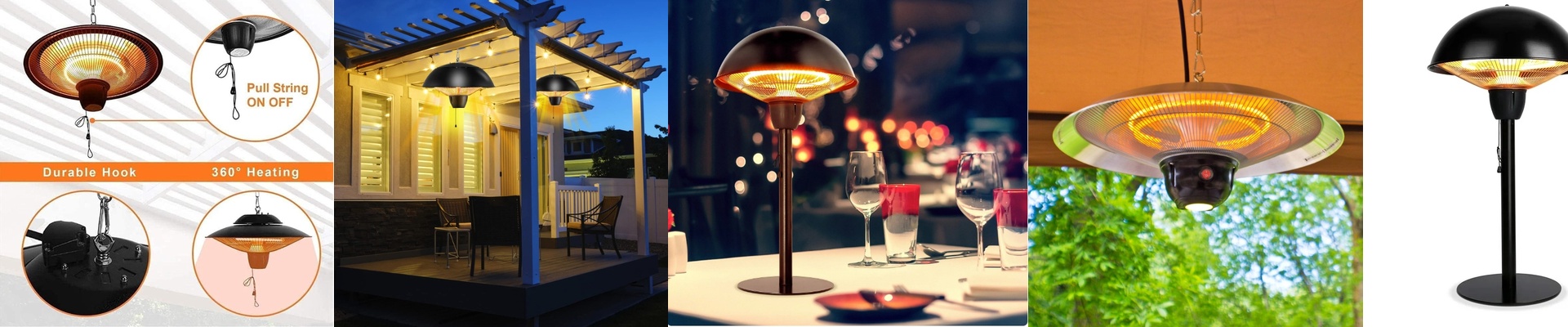
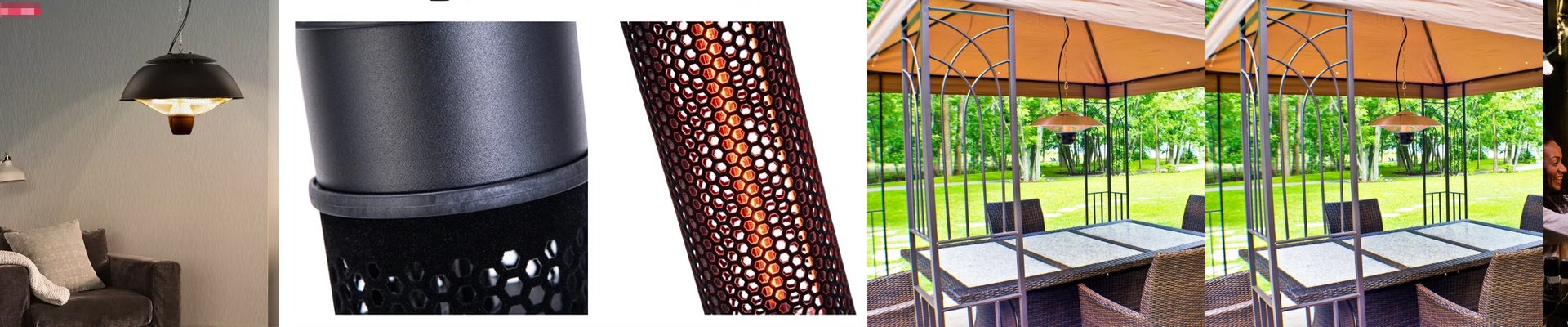
Why Your Bathroom Heater Needs Explosion-Proof Quartz
Bathrooms are a nightmare for electronics. You’ve got steam everywhere, high humidity, and wild temperature swings. Here’s the problem: standard quartz glass can’t always hack it. Imagine a freezing cold water droplet hitting a glowing hot lamp. That thermal shock is enough to make the glass shatter instantly. That’s why we use explosion-proof quartz tubes. It just makes sense.
Dealing with the “Pop”
Standard quartz is tough, but it isn’t bulletproof. In a shower, the difference in temperature between the hot filament and the outside surface is huge. To stop the glass from giving up, we treat these tubes or add a special coating. We also wrap them in a safety mesh or a protective film. If the glass does crack, the film holds everything together. You don’t want shards of glass raining down on you while you’re stepping into the shower tray.
Heat, Power, and Air
Most of these wall heaters use short-wave infrared. Basically, we’re cramming a lot of power into a tiny space to give you that “instant warmth” feeling the second you flip the switch. But there’s a catch. High power means a lot of heat, and if your heater doesn’t have enough airflow, the tube can burn out. If things get too hot, the internal pressure spikes. That’s where the explosion-proof design kicks in—it handles those pressure jumps so the unit doesn’t fail catastrophically.
The Real-World Trade-off
We’ve made these easy to swap out. Most use standard connectors, so you aren’t fighting with the wiring for an hour. Now, full disclosure: that safety coating does block a tiny bit of the infrared light. You lose a sliver of heat efficiency compared to a crystal-clear tube. But honestly? It’s a trade we’ll make every single time. I’d rather lose 2% of the heat than deal with a shattered lamp in a wet room. Just a quick tip: double-check your voltage before you hook it up. You don’t want to fry the filament before you’ve even had a chance to use it.