



Why we use gold for IR heating
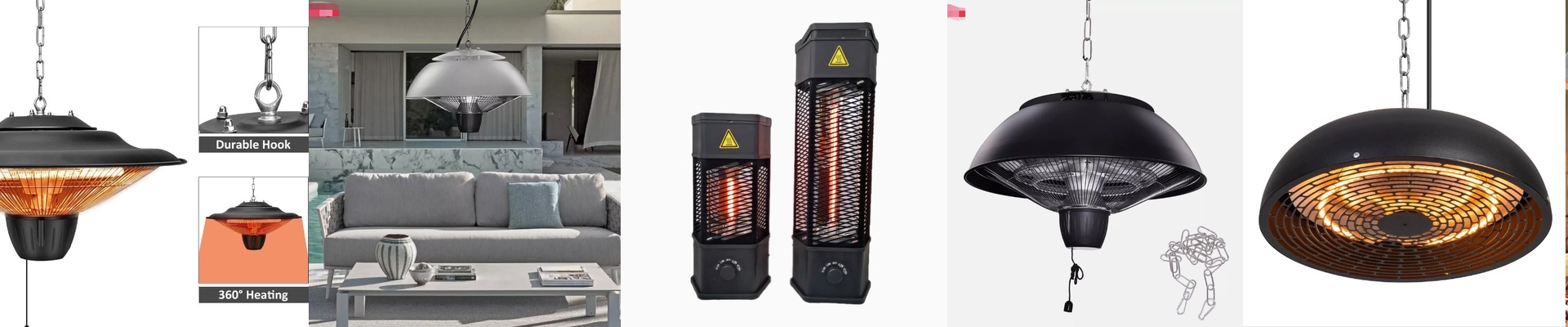
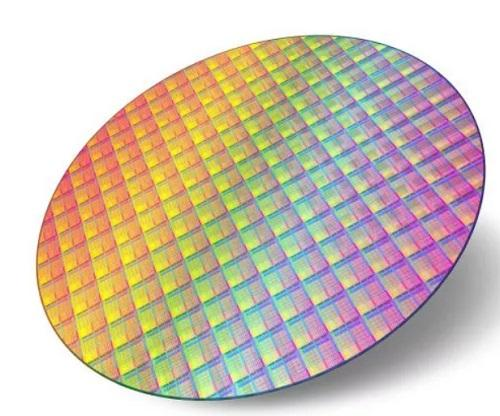
When you’re working in a cleanroom with semiconductor wafers, wasting energy isn’t just a budget issue—it’s a design flaw. Most standard reflectors are okay, but they scatter infrared radiation. You end up with these annoying gaps in heat distribution. We fixed that by switching to gold coatings. Why gold? Because it handles infrared wavelengths way better than aluminum or polished steel. Instead of the heater housing soaking up your power, almost every single watt goes exactly where it belongs: straight onto the wafer. Getting the heat exactly right It all comes down to how we focus the light. We pair a short-wave IR lamp with a gold-coated parabolic or elliptical reflector to squeeze that radiant flux into a high-density zone. The result? Your ramp-up time is faster. Your thermal profile is tighter. This is huge because it stops those random hot spots that warp silicon disks or mess up your chemical vapor deposition. It just works more predictably. The catches (because there are always catches) Now, you can’t just slap these in and forget about them. You have to look closely at your footprint. Also, gold is a bit of a diva. It hates contamination. A single fingerprint or a thin layer of dust on that reflector will tank your efficiency and leave you with uneven heating. You’ve got to be religious about your cleanroom protocols to keep these things spotless. And one more thing: since we’re concentrating so much heat, your cooling manifolds are going to feel the pressure. If your cooling system isn’t up to the task, you might accidentally fry your surrounding sensors. The payoff The best part is that you actually pull less power to hit your target temperatures. It’s a simple swap. You get more throughput without having to rip out your power supply or rebuild your entire setup. You’re just getting more “bang for your buck” from the energy you’re already using.