
Stop Wasting Time Heating Air: Why Vacuum IR is the Way to Go
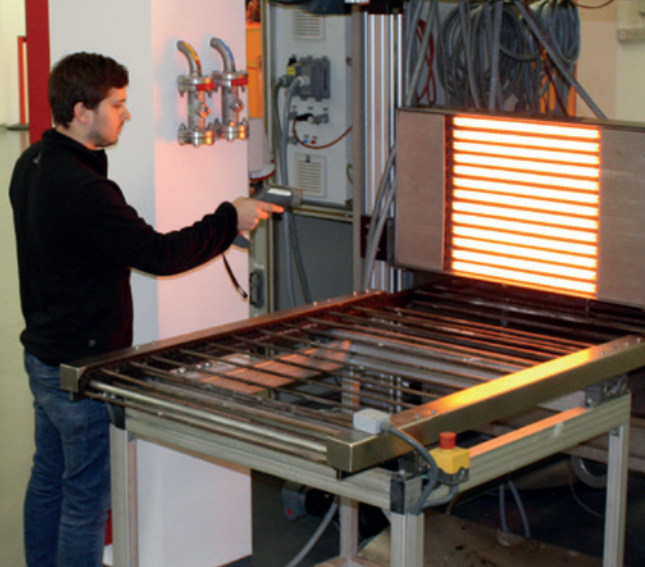
If you’re working in semiconductor deep processing, you know the drill. You’re fighting for every second of throughput. For a long time, we relied on hot air circulation, but in a vacuum, that’s just… slow. It’s sluggish. That’s where vacuum-compatible infrared (IR) heating comes in. Instead of trying to push heat through a medium that isn’t there, IR radiation just hits the wafer surface directly. No middleman. No waiting. The real cost of waiting Think about those old hot air systems. You have to heat up the entire chamber before the workpiece even gets close to the temperature you actually want. It’s a huge drag on your timeline. Switch it to IR, and that delay basically vanishes. We’re talking about dropping a ramp-up cycle from ten minutes down to maybe thirty seconds. In a high-volume fab, that’s not just a “nice to have”—it’s a massive win for your wafers-per-hour count. How it actually works We don’t just throw a lightbulb in there. These heaters are built to handle high-vacuum environments without leaking gunk (outgassing) into your system. We use high-purity quartz and specialized filaments to keep the chamber clean. Plus, you get a lot more control. Instead of flooding the whole area with heat, you can aim it. You target the specific zones of the wafer that actually need it. Now, there is a catch: it’s fast. Like, really fast. If your PID tuning is off, you can overshoot your temperature setpoint before you even realize it. You’ll want fast-response thermocouples to keep things steady and avoid any surprises. Cleaning up the floor One of the best parts? You can finally get rid of the bulk. You don’t need those massive blowers, the endless ducting, or the heavy filtration systems that come with hot air. You just wire the lamps into your power rail and mount them in a reflective housing to bounce any wasted energy back onto the part. Your machine footprint shrinks, your cycle speeds up, and you stop paying for the time it takes to heat up the air. You’re finally just paying for the time it takes to process the silicon.