Why we’re ditching old-school lamp heaters for IP44 Infrared
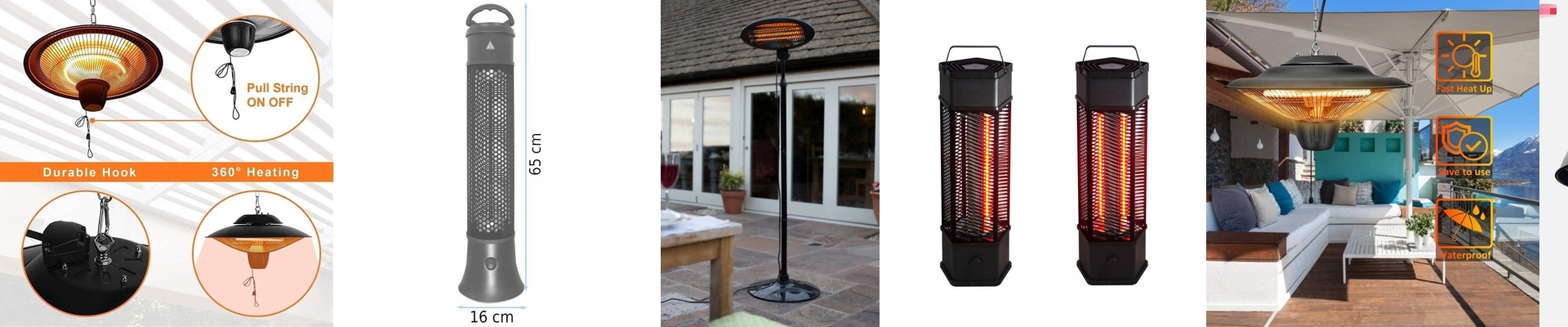
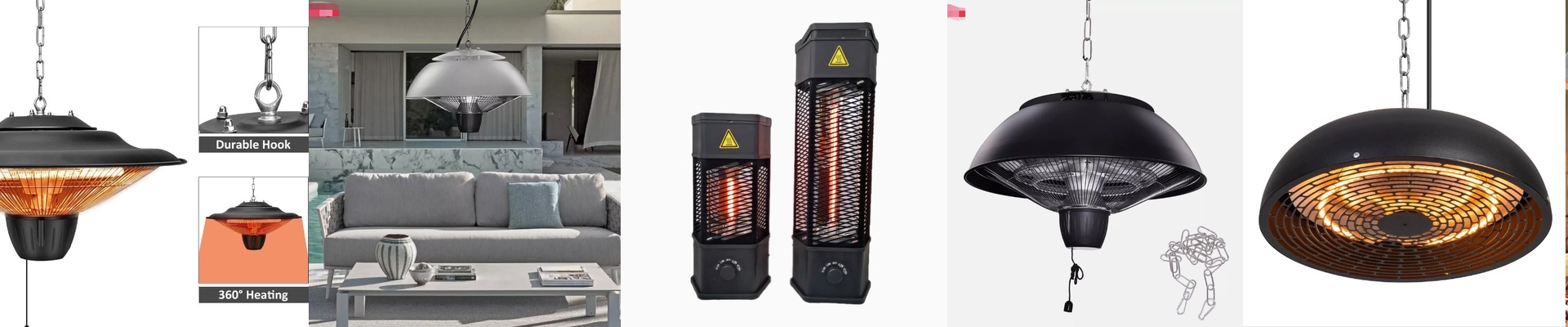
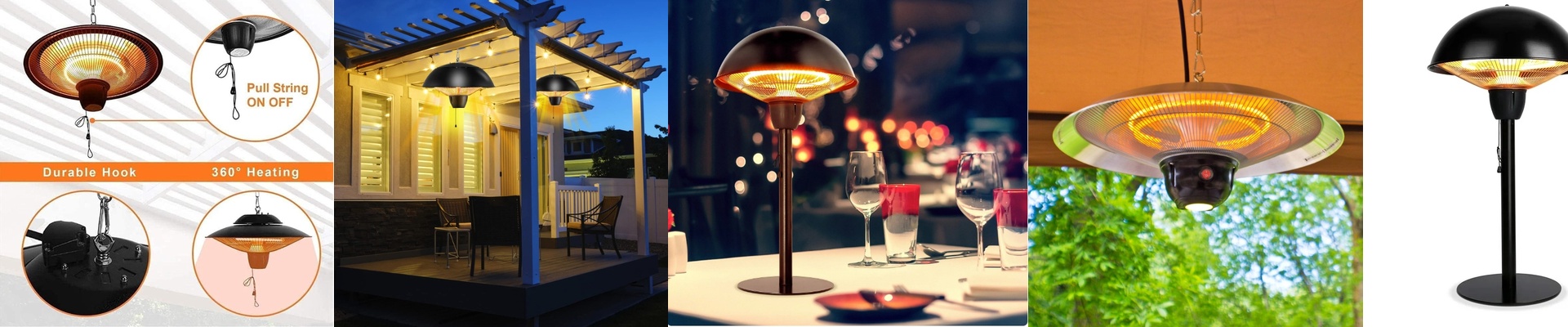
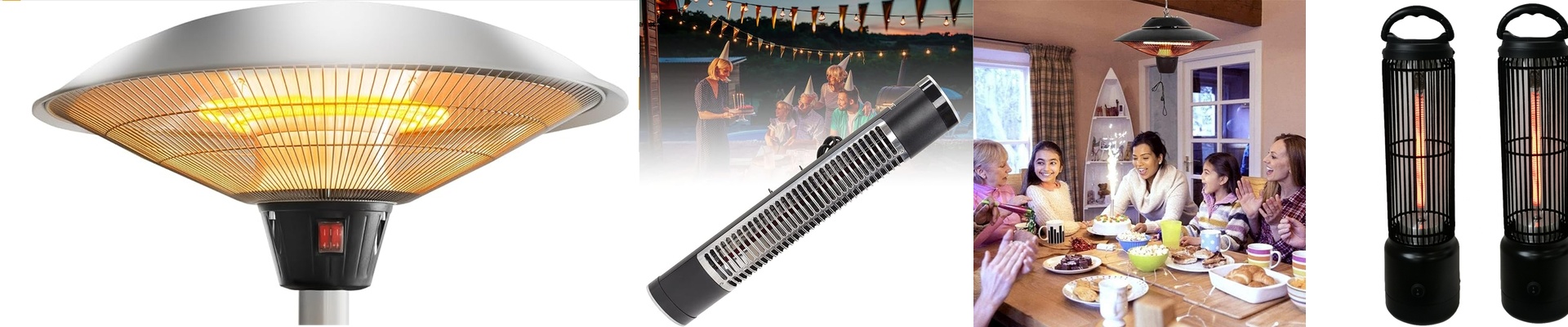
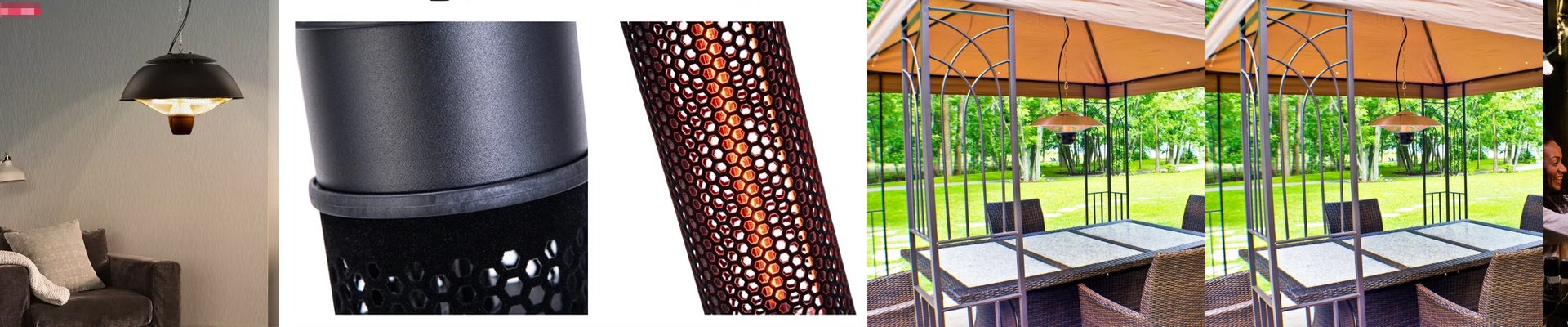
You know those old-style bathroom heaters? The ones with the big, glowing bulbs that feel like they’re trying to heat the entire neighborhood just to keep your toes warm? They’re basically energy sinks. Most of that heat just floats up to the ceiling where it does absolutely nothing for you. That’s why we’ve moved toward IP44 infrared panels. Instead of fighting the air, they go straight for the skin. It’s a completely different feeling. Let’s talk about the “IP44” part. In a bathroom, you’re dealing with more than just a bit of steam. You’ve got splashes, humidity, and constant moisture. IP44 is just a fancy way of saying the unit is built to handle that. We use sealed gaskets and tuck the wiring away so water can’t get where it doesn’t belong. If you use a heater that isn’t rated for this, moisture creeps into the housing, eats away at the terminals, and—boom—the whole thing burns out in a couple of years. Not a great investment. How it actually works Infrared is a bit like standing in the sun on a crisp autumn day. You feel the warmth immediately, even if the air around you is still chilly. Depending on what you need, we use quartz tubes or carbon fiber. Quartz is for the people who want heat right now. It hits peak temperature almost instantly. Carbon fiber is a bit more laid back—it gives you a softer, more spread-out warmth. A few things to keep in mind It’s not all magic, though. You have to be smart about where you put these things. Because the heat is so focused, mounting height is everything. If you hang a panel too low, it’ll feel like you’re standing too close to a campfire—uncomfortable and way too hot. Plus, keep an eye on your electricals. These elements can have a bit of a “surge” the moment you flip the switch. If your circuit is already pushed to the limit, you might find yourself tripping the breaker. It’s a quick fix, but better to get the wiring right the first time.