

Getting MEMS Wafer Drying Right (Without the Contamination Nightmare)
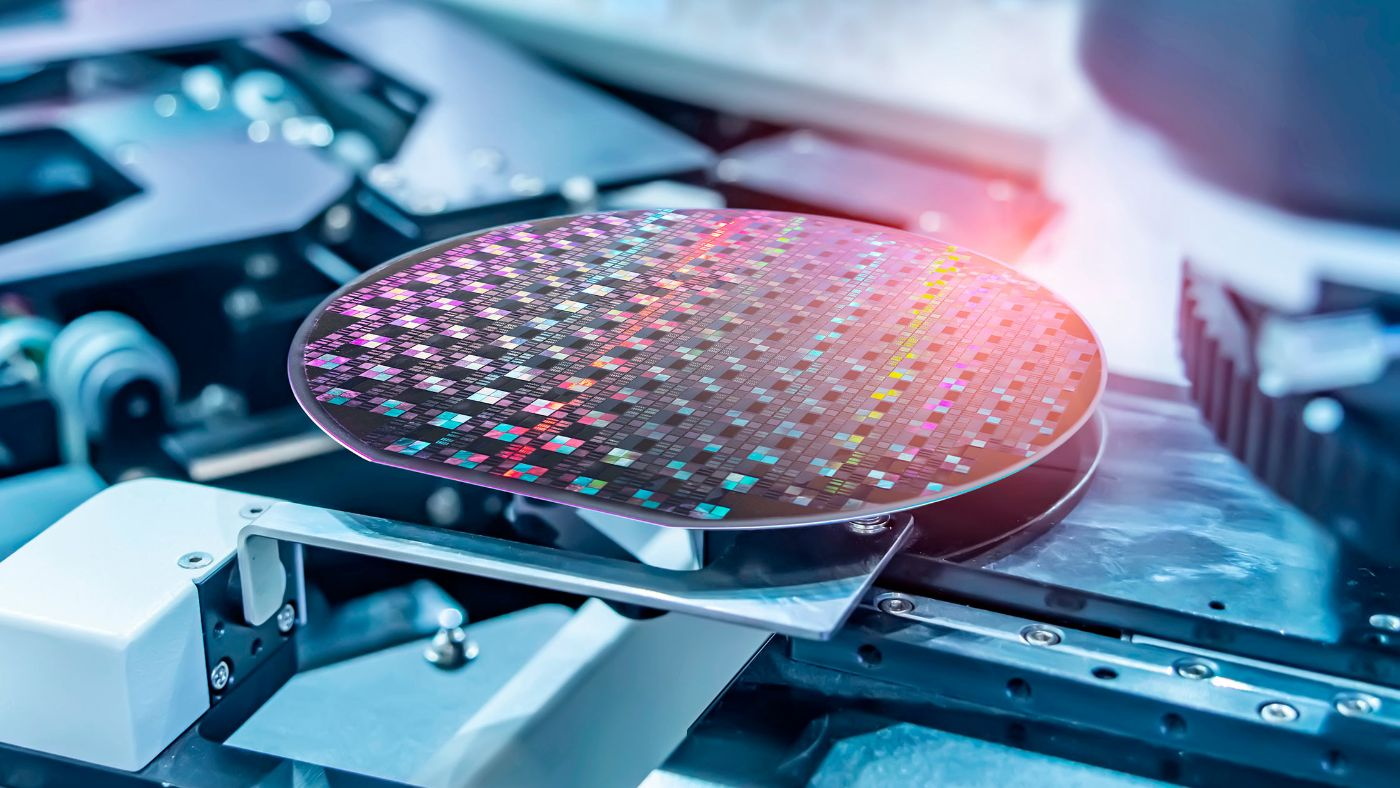
When you’re drying MEMS sensors, heat is only half the battle. The real fight is against particulates. If you’re working in a Class 100 cleanroom, you already know the drill: one tiny bit of outgassing or a stray flake of material from a heating element, and your entire batch of wafers is trash. It’s a stressful way to work. That’s why we stick with high-purity synthetic quartz IR lamps. Why the quartz actually matters Cheap glass or low-grade quartz just can’t handle the stress. After a few thermal cycles, they start to break down and shed microscopic particles. Not great. We use high-purity fused silica because it stays solid at extreme temperatures and doesn’t off-gas. The cool part? The IR radiation hits the moisture on the wafer surface directly. It flashes the water away instantly without turning your entire chamber into an oven. The nitty-gritty of the design We keep these lamps compact so they actually fit in your setup. The quartz envelope is sealed tight to stop the filament from oxidizing—which is usually where the contamination mess starts. By managing the halogen cycle inside the tube, we keep the filament smooth and prevent pitting. But here’s the thing: you have to get your power density right for your specific wafer size. Sure, cranking up the wattage makes the ramp-up faster. But it also puts a lot more pressure on your cooling manifolds. If you push it too hard, you’re looking at thermal warping. It’s all about finding that sweet spot between length and wattage so the heat is even across the whole sensor array. A few tips for the install These are basically drop-in replacements for most MEMS drying stations. We used standard connectors, so you won’t be fighting with the wiring. Just a heads-up: high-purity quartz is brittle. It loves heat, but it hates being bumped. A mechanical shock during installation can cause micro-cracks that you might not even see. And please, use lint-free gloves. The oils from your skin create hot spots on the glass, and that’s a fast track to a premature tube failure.