Stop losing money every time the temperature drops
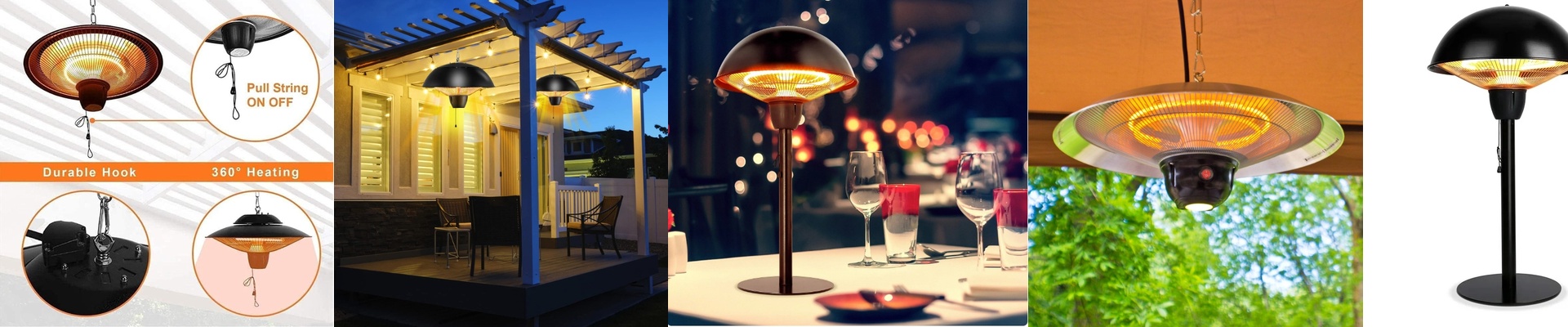
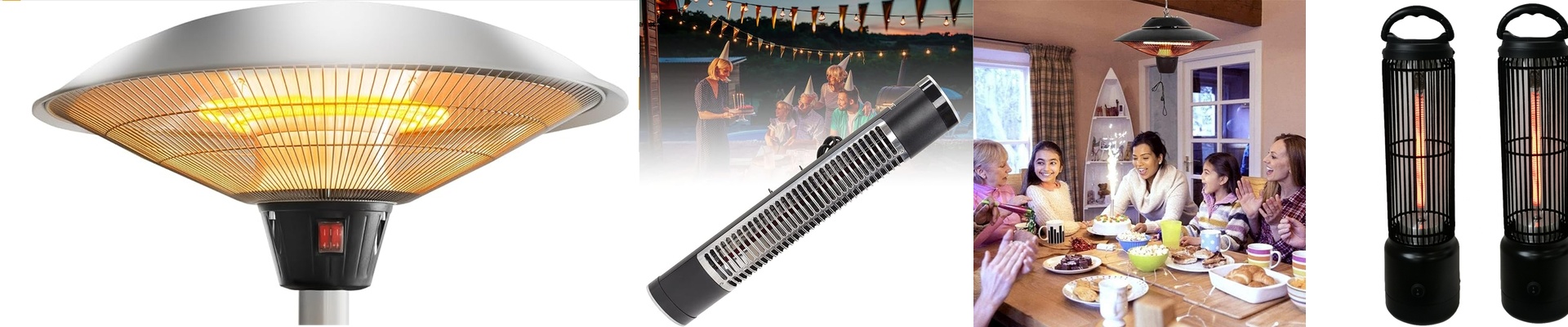
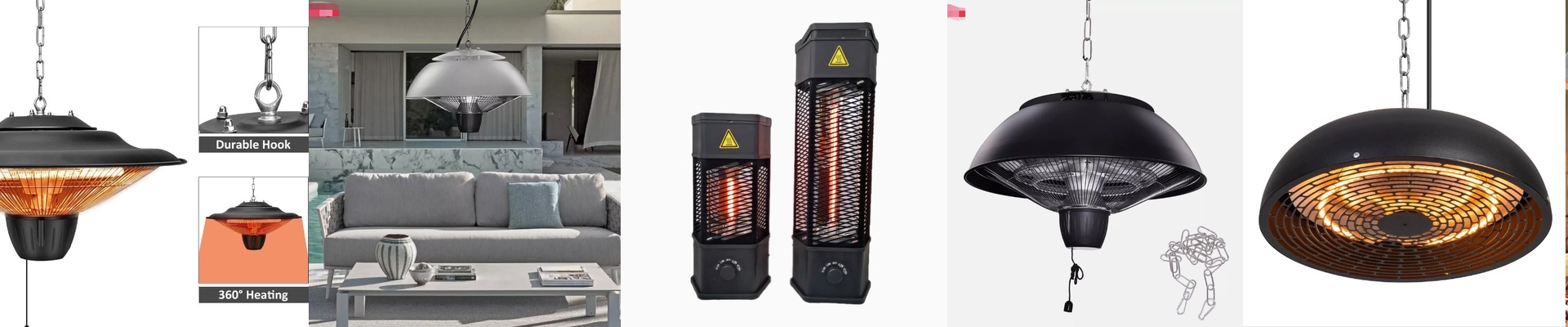
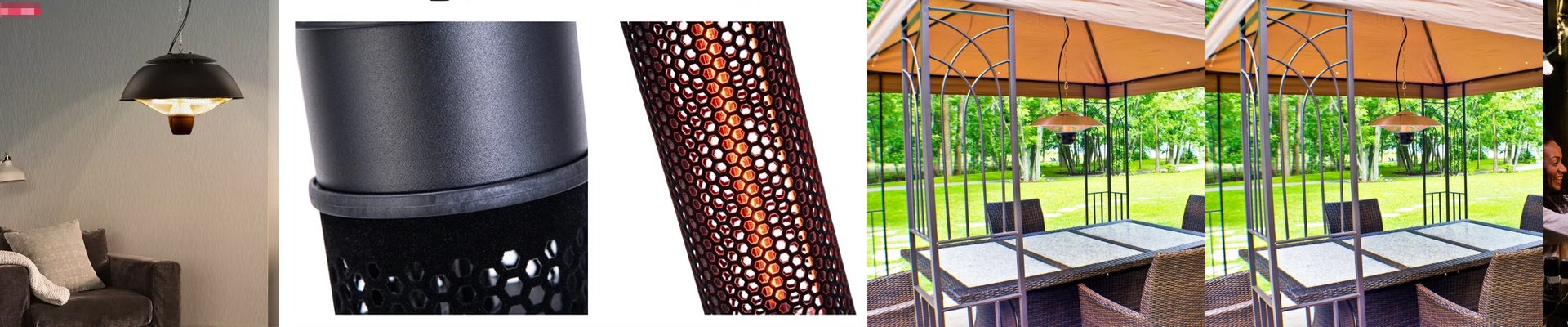
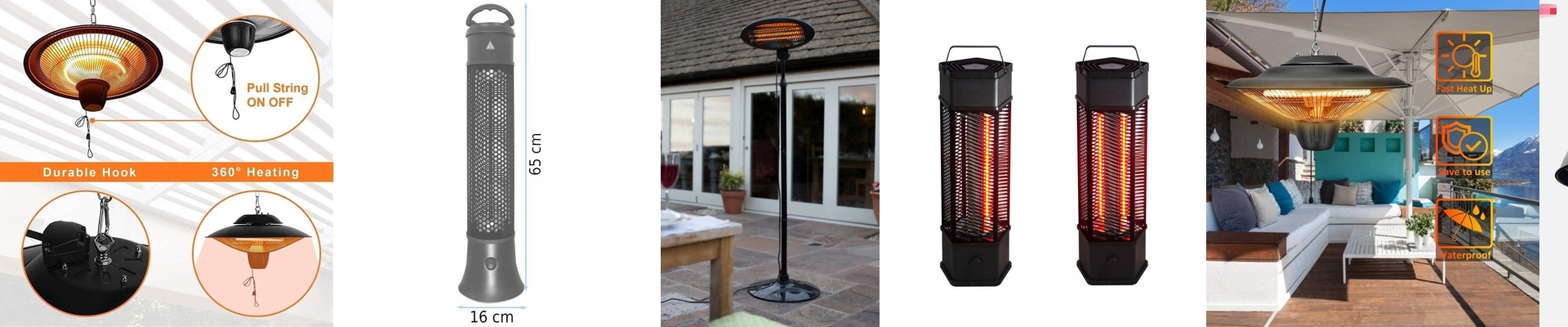
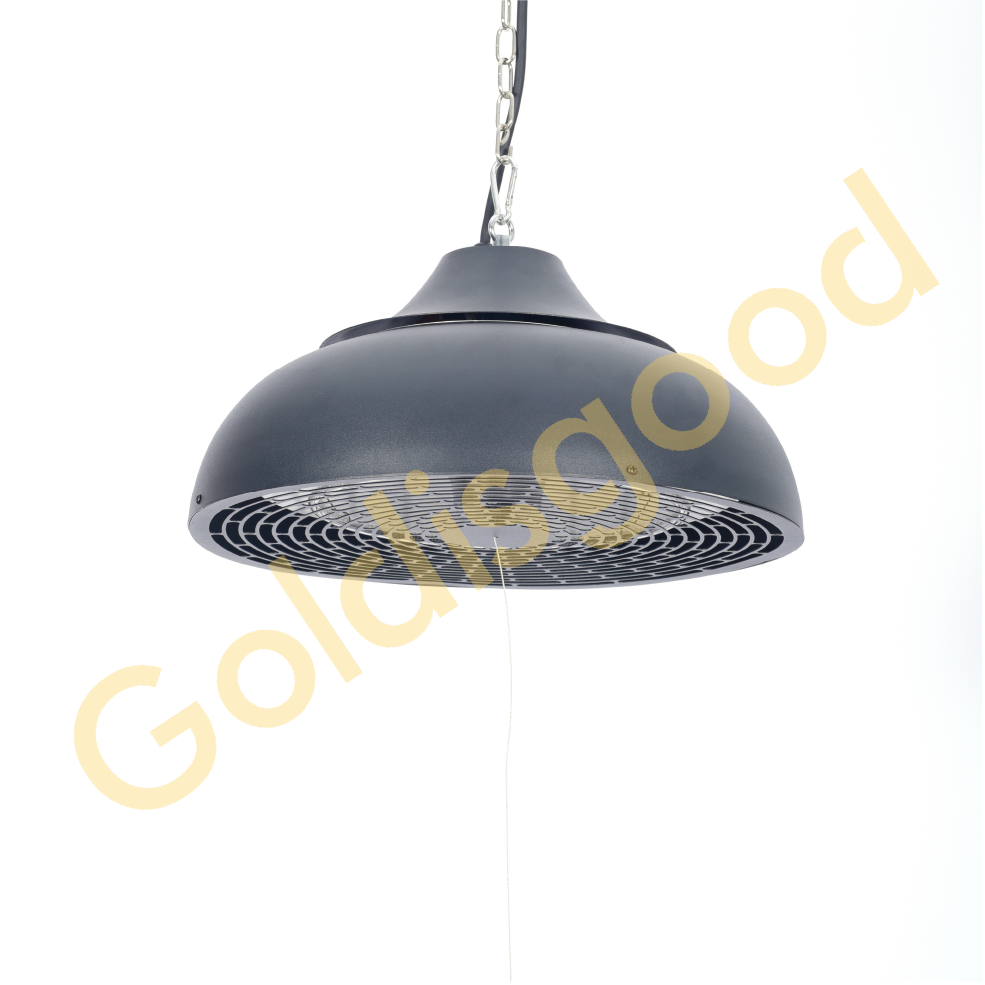
It’s a frustrating cycle. You’ve got a great outdoor space, but the second a chill hits the air, your patio becomes a ghost town. People either scramble inside or they rush through their meal just to get out of the cold. That’s where ceiling-mounted infrared heaters come in. Here is the secret: these things don’t try to heat the air. If you try to heat the outdoors with a blower, the wind just carries the warmth away. It’s a waste of electricity. Infrared is different. It warms the people and the furniture directly. It feels like sitting in the sun on a spring day, even if it’s freezing outside. More comfort means more cocktails. When your guests are cozy, they linger. They order that second bottle of wine or a dessert they weren’t planning on. By setting up a grid of these lamps on your ceiling, you create a “warm zone” that makes people want to stay. It’s a simple way to keep your tables full and your checks higher. The nitty-gritty stuff We usually go with short-wave or medium-wave emitters. I prefer short-wave because they’re instant. You don’t have to spend an hour “pre-heating” the patio before the dinner rush; you just flip a switch and it’s warm. Just a heads-up on the setup: the higher your ceiling, the more power you’ll need to make sure that heat actually reaches the table. Also, please don’t just plug these into a power strip. You’ll trip your breakers in ten minutes. These need their own dedicated circuit. I always suggest a zoned control system, too. Why? Because once the patio fills up, the guests themselves start giving off heat. You can just dial it back a bit and save on your power bill. A few things to watch out for The best part about mounting these to the ceiling is that you get your floor space back. No clunky towers for your servers to trip over. But keep an eye on your layout. If you have big umbrellas or heavy awnings, you might end up with a cold spot right under the table. You’ll want to position the heaters to avoid that. And check what you’re mounting to. If you’re attaching these to a wooden pergola, we should add some heat shields. Otherwise, you’re going to dry out the wood or, worse, scorch it.