
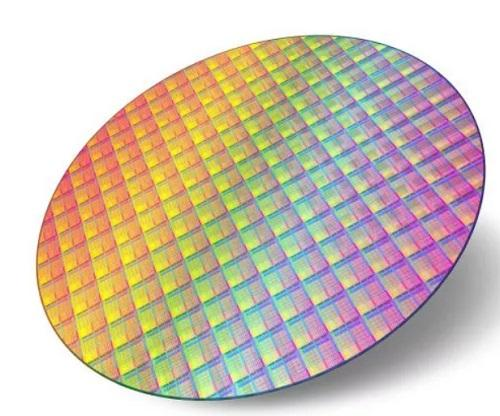
Stop Heating the Air: A Better Way to Warm Your Semi Trolleys
If we’re actually going to hit those carbon neutrality goals in semiconductor fabs, we have to stop wasting energy. The biggest culprit? Traditional convection heaters. They try to warm up the entire volume of a clean room just to keep a few components stable. It’s like heating your whole house just to keep a cup of coffee warm. That’s why we’ve moved to short-wave infrared (IR) lamps built right into the trolleys. Instead of fighting the air, we aim the heat exactly where the wafers are sitting. Why IR actually works Here’s the thing: air is a terrible conductor of heat. Using IR lamps lets us skip the middleman. We use quartz-halogen elements that hit the target surface almost instantly. It’s fast. Really fast. This means your ramp-up times drop and you aren’t pulling massive amounts of power for every single batch. Keeping it clean Now, clean rooms are picky. You can’t just throw any heater in there or you’ll deal with particulates and outgassing. We use high-purity quartz envelopes to keep things pristine. We also coat the elements to tweak the heat spectrum. This ensures the warmth gets through the transport carrier without accidentally baking the trolley chassis. Plus, we’ve wired these for “heat-on-demand.” The lamps only kick in based on sensor feedback the moment the trolley moves. You aren’t running a furnace 24/7; you’re only using power when there’s actually something there to heat. The tricky part It isn’t all plug-and-play, though. High-density IR arrays put out a lot of intense, localized heat. If you cram too many watts into a small space, you might warp a carrier or trip a clean room alarm because the air expanded too quickly. You have to find that sweet spot between the wattage, the airflow, and what your transport pods can actually handle. But once you get that balance right, you’ve turned a constant energy drain into a precision tool. It just makes sense.