Making Infrared Heat Actually Work With Your Smart Home
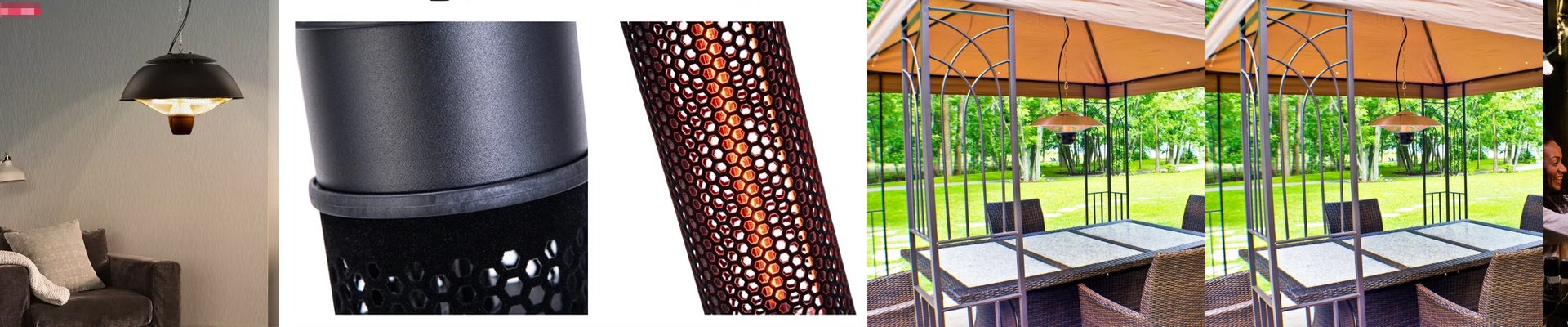
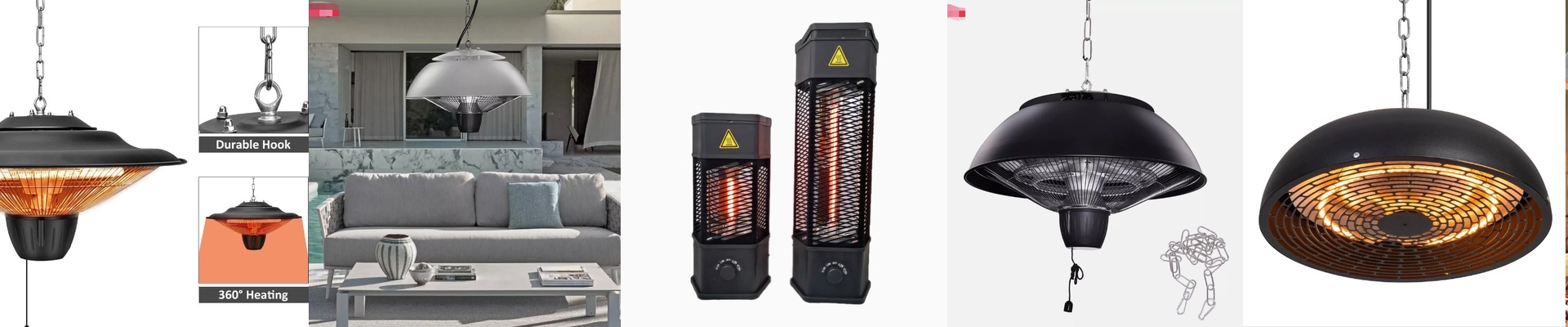
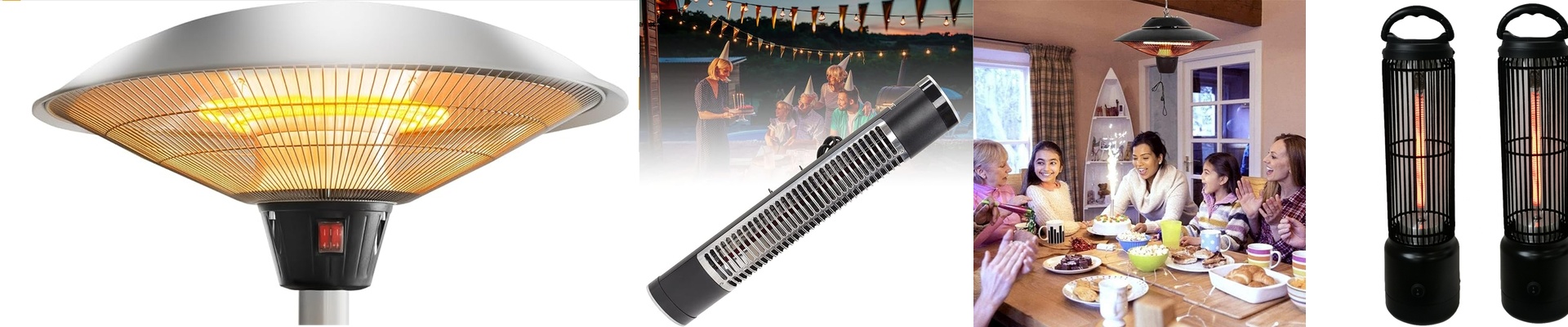
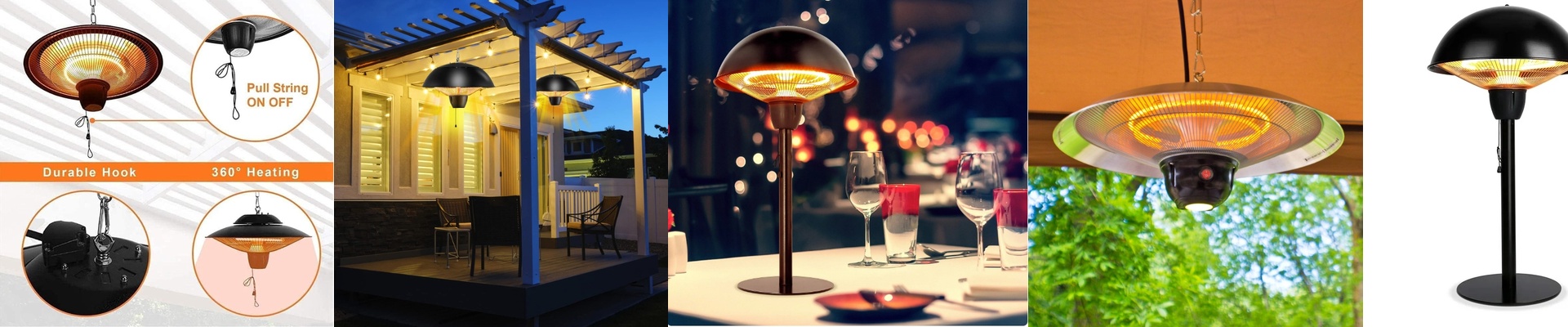
Most heaters are a waiting game. You turn them on, wait for the air to warm up, and hope the heat actually reaches you before you freeze. We do things differently. Our infrared heaters skip the air entirely. They send out warmth that hits you—or your furniture—and turns into heat the second it lands. When you hook this up to a smart home system, you stop worrying about schedules and start thinking about “on-demand” warmth.
Getting the Tech to Talk
To get that “instant on” feeling, we use smart relays or controllers (think Zigbee or Matter) to bridge the gap between the heater’s heavy power needs and your phone’s low-voltage commands. The best part? Infrared lamps heat up in seconds. You hit a button, and you feel it. Immediately. Now, we don’t want you roasting. We usually stick in PID controllers or smart thermostats to keep things balanced. Just a heads-up: if you’re installing several high-wattage units, check your electrical panel. If three or four 2kW heaters kick in at the exact same moment, you might trip a breaker if your wiring isn’t up to the task.
The “Heat Bubble” Experience
This is where it gets fun. With smart integration, you can set up “scenes.” Maybe the heat kicks in the moment a sensor sees you walk into the room, or it triggers when the outdoor temperature dips below a certain point. The goal is to create a little bubble of warmth right where you are. But here’s the catch: infrared is line-of-sight. It’s like a flashlight, but with heat. If you put a couch or a wall in the way, that spot stays cold. We always suggest mapping out where people actually sit and stand before you start drilling holes in the ceiling.
The Reality Check
No system is perfect. Adding smart controls means adding more things that can break. If your Wi-Fi goes haywire or your hub crashes, that “one-click” magic disappears. That’s why we always put in a manual override switch. It’s a simple fix, but it’s a lifesaver when the internet goes down. Also, remember that this kind of heat is intense. You’ll feel a sharp difference between the spot directly under the lamp—which gets toastie fast—and the rest of the room, which stays pretty chill.