Why we’re switching to IR for lead-free semiconductors
The semiconductor world is finally cleaning up its act. We’re moving away from those nasty, chemical-heavy drying processes and lead-based setups. That’s where Infrared (IR) curing comes in. It’s basically the go-to for anyone trying to go “green” because it kills the need for volatile solvents and stops the cleanroom from eating up so much power.
How the heating actually works
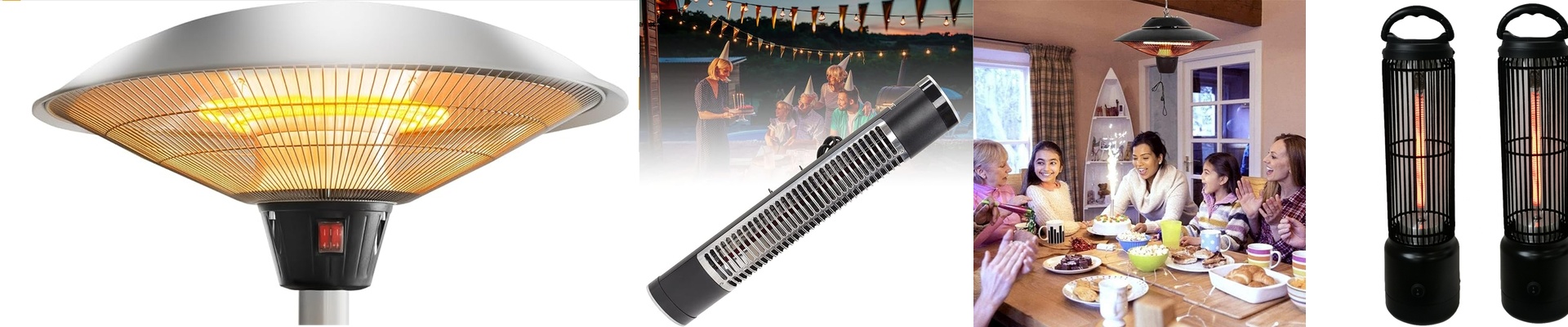
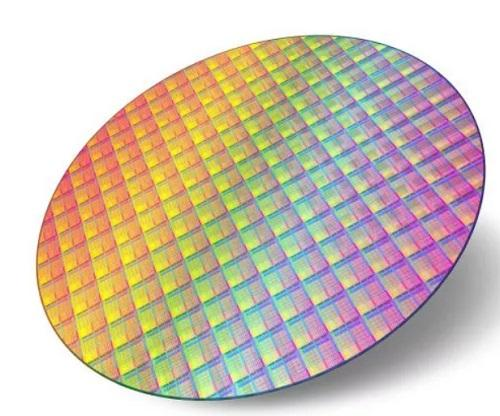
Think about a standard convection oven. It heats the air, and then the air heats your part. It’s slow. It’s wasteful. IR is different. It uses electromagnetic radiation to shoot energystraight into the wafer surface. We aren’t wasting kilowatts trying to warm up a giant metal box full of air; we’re just hitting the substrate. This makes the ramp-up time incredibly fast. And when you’re dealing with sensitive photoresists or lead-free solder pastes—things that have a very tiny window of “perfect” temperature—that speed is everything.
The “Goldilocks” distance
Here is where things get tricky for the engineers. You have to get the distance between the IR lamp and the wafer just right. If the lamp is too close? You’ll get hotspots and your wafers will warp. Not great. Too far? Your heat flux drops, your throughput tanks, and suddenly you’re not hitting your numbers. We usually tweak this based on the wavelength. Shortwave is great for curing the surface, while medium-wave sinks in deeper. You’re basically balancing the intensity of the lamp against the thermal mass of the wafer. High-intensity lamps are fast, sure, but you need a really tight PID control system so you don’t accidentally overshoot your target temperature and fry the batch.
The catch (because there’s always a catch)
Switching to IR saves a ton of energy on the wafer side, but it pushes that heat somewhere else: your cooling system. Since these lamps pack so much heat into a small space, your chassis has to be built to handle the soak. If your fans or water jackets aren’t up to the task, the electrodes on the lamps will start to stress and die way faster than they should. It’s a bit of a trade-off. You save energy on the actual process, but you have to spend a little more effort managing the heat around the machine. Still, it’s a price worth paying to get rid of the lead and the chemicals.