
Introduction
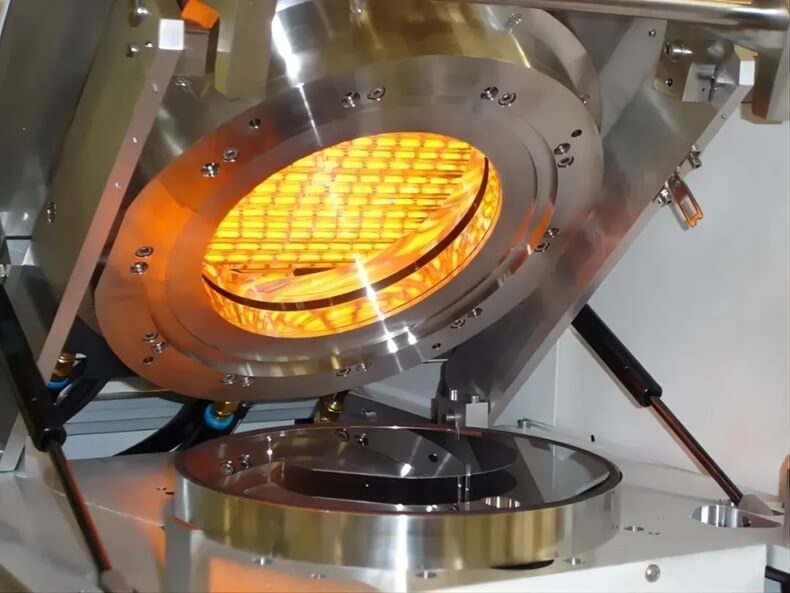
Let’s talk about a specific kind of infrared heating lamp—one built for the tough environment of a foundry. It’s designed to slide right in and replace the heating systems in wafer dryers. The whole point? Give you intense, steady heat that blasts moisture away fast—without eating your budget on energy or constant repairs.
The Power Setup: Smart, Not Just Strong
Here’s the deal with the power. These lamps run at 2500W on 400V, and that’s not by accident. Running at that higher voltage keeps the current draw down. That means less voltage drop across your wiring and less strain on your control components. They’re also 300mm long—the standard size. So you can upgrade your heating power without having to redesign the whole machine.
Built to Take the Heat
The quartz tube has a special coating, and that’s a big deal. It’s what allows the lamp to handle the constant shock of turning on and off. On a 24/7 production line, a regular bulb would crack under that pressure. Inside, the halogen element keeps the temperature steady, so every drying cycle is consistent. And the R7s connector? It’s a practical choice for a solid, low-resistance connection. That means no arcing, and it just wires up cleanly every time. Less time spent troubleshooting.
Keeping the Line Moving
When you’re in packaging and testing, downtime is the enemy. This lamp gets hot fast, hitting the right heat density to shorten cycle times and keep things moving. It’s built tough, so it can handle the grind of the line without giving up early. But, there’s one thing to keep in mind. That 2500W output throws off a lot of ambient heat. Your cooling system has to be up to the task, or you risk overheating the electronics around it. This is a focused tool, engineered for one thing: keeping your line running at top speed.
The Bottom Line: Reliability That Pays Off
Going with a lamp like this means engineering reliability directly into your process. It’s a direct replacement that helps you cut down on spare parts and keeps the downtime low. Fewer failures mean lower operating costs, and that’s what really moves the needle on your bottom line. You’re not just buying a bulb. You’re buying stable, predictable uptime. Peace of mind, really.