
Why we obsess over insulation testing for our IR sensors
We don’t do “random sampling” here. Every single infrared lamp and smart sensor package that leaves our floor goes through 100% withstand voltage (Hipot) and insulation resistance testing. Why? Because in high-power IR setups, a tiny insulation leak is a nightmare. It doesn’t just pop the lamp. It can fry your entire control board or trigger a ground fault that brings your whole production line to a screeching halt. Nobody wants that phone call on a Friday afternoon.
What’s actually happening during the test?
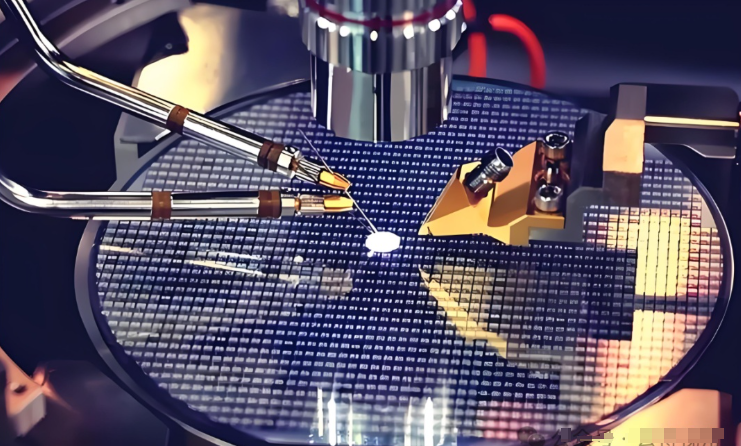
When we run a Hipot test, we’re basically pushing the insulation to its limit. We apply a voltage way higher than what the sensor will see in your machine to see if any current leaks through. If there’s a tiny pore in the quartz seal or a microscopic nick in the wire insulation, the current jumps. We do this to make sure the barrier can handle those random voltage spikes without giving up.
Why we check every single one
Some companies check one out of every hundred. That’s not good enough for us. A 1% failure rate means one of your machines is dead on arrival. We look closely at the resistance between the heating element and the outer housing. If that number is low, it usually means something went wrong during sealing or there’s a micro-crack in the glass. We’d rather catch that here than have you find out after you’ve already wired it into your system.
A quick heads-up on installation
Now, we do our part, but the rest is up to you. Strict testing only works if the environment stays clean. If you mount these in a swampy, high-moisture area or use cheap connectors, you’re basically undoing all the work we did in the factory. Dirt and moisture create “paths” on the surface of the package, which leads to tracking and, eventually, a nasty arc-over. And please, double-check your chassis grounding. Our lamps are built to be tough, but they need your system to shunt any leakage current safely to the ground. If your grounding is sloppy, even a perfect lamp can become a safety risk. Keep it tight, and you’ll be fine.