

Making the Patio Cozy: Infrared Heat and Smart Homes
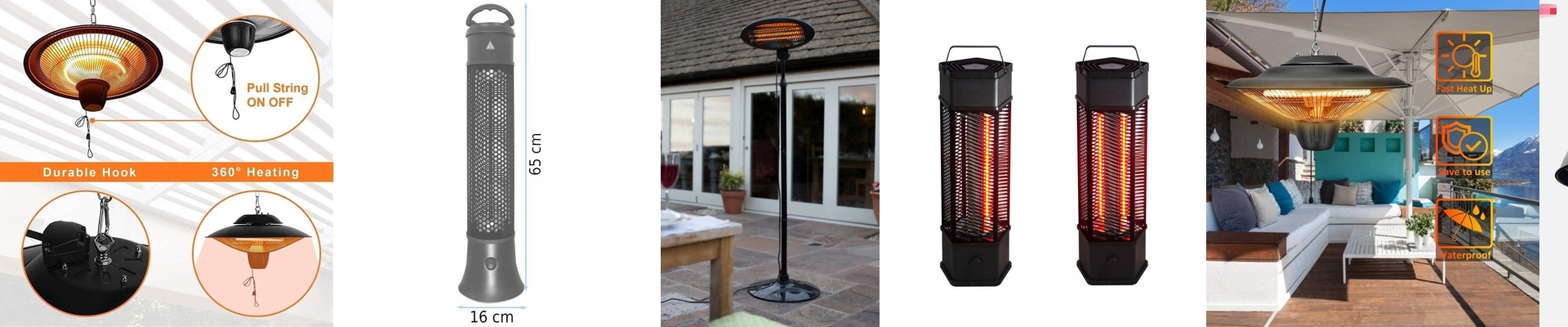
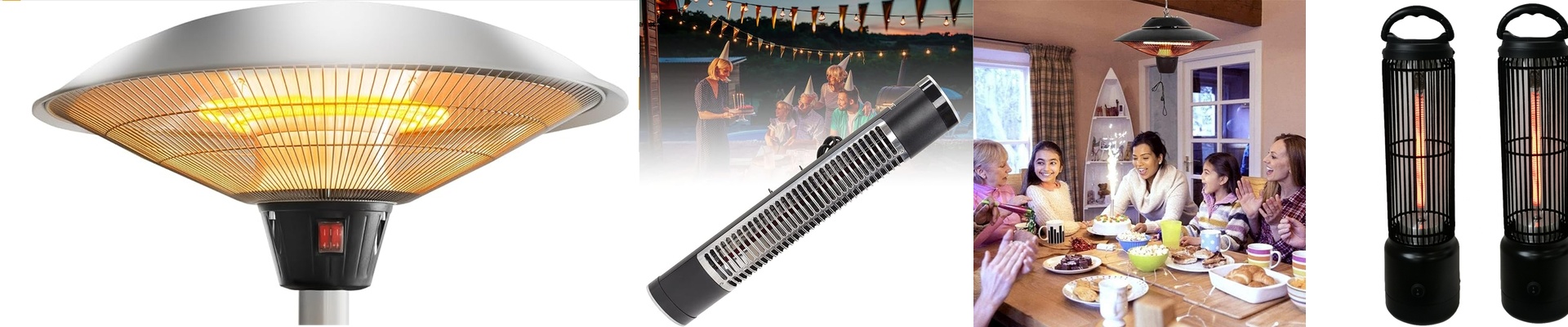
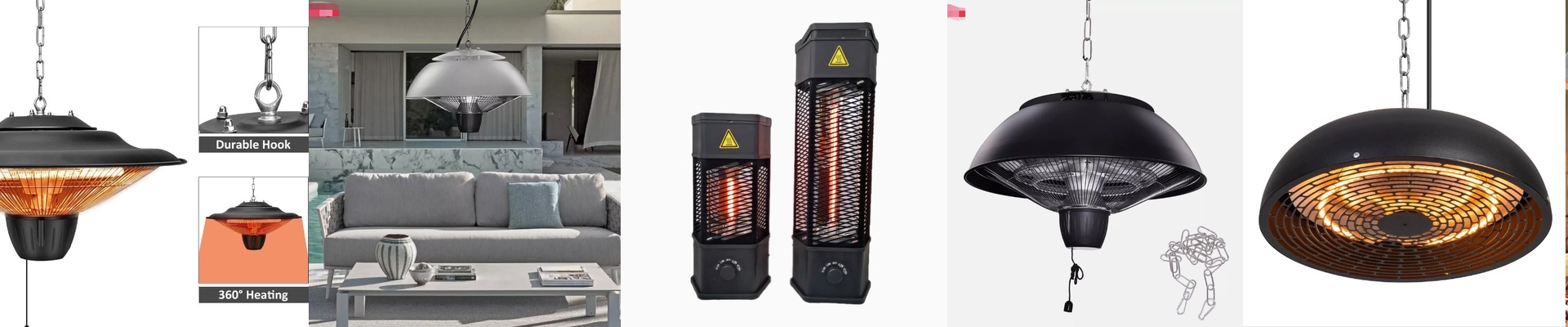
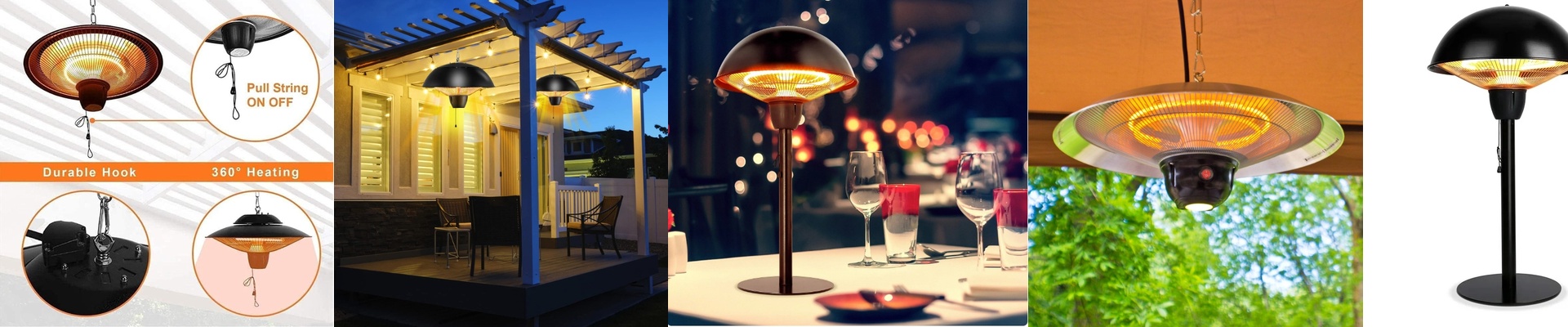
Let’s be honest: most outdoor heaters are a pain. You’ve either got those giant, clunky gas mushrooms that take up half the deck, or electric coils that barely keep the chill off your ankles. We decided to do things differently. We use short-wave infrared tech tucked inside IP65-rated housings. Here is the secret: these don’t bother trying to heat the air around you—which is a losing battle the second a breeze hits. Instead, they beam heat directly to your skin and clothes. It’s instant. You flip a switch, and you’re warm, even if it’s freezing outside.
The “Weather-Proof” Part
You’ll see “IP65” on the box, but what does that actually mean for you? It means we’ve sealed the guts of the machine. Dust stays out, and rain or snow won’t cause a short circuit. You can leave it outside and not worry about a storm blowing a fuse. Of course, sealing a heater tightly means the heat has nowhere to go inside the casing. To stop the electronics from frying themselves, we had to get picky about the materials we used for the chassis. It’s built to handle that internal soak so the unit keeps running while you’re enjoying your drink.
Making it “Smart”
Getting these to talk to your smart home is where it gets fun. We use a heavy-duty relay or a PWM controller to handle the power. When you tap a button on your phone, it sends a signal to a contactor that snaps shut, letting the power flow. There’s no waiting for a coil to glow or a burner to ignite. It just happens. We’ve set these up to work with Zigbee or Matter, so they play nice with your home hub. You can even link them to an outdoor sensor. If the patio drops below 10°C, the heaters just kick in on their own. You don’t even have to think about it.
A Quick Reality Check
One thing to keep in mind: you can’t just plug these into a cheap extension cord from the garage. These things pull a lot of power. If you try to run a high-output array on a standard household outlet, you’re going to trip your breaker immediately. You’ll need a dedicated circuit with the right gauge wiring. It’s a bit of extra work upfront, but it’s worth it. Once it’s wired in, the result is magic. You go from shivering in the winter wind to feeling like it’s a spring afternoon the second the relay clicks.