Stop the Bathroom Mold Fight Before it Starts
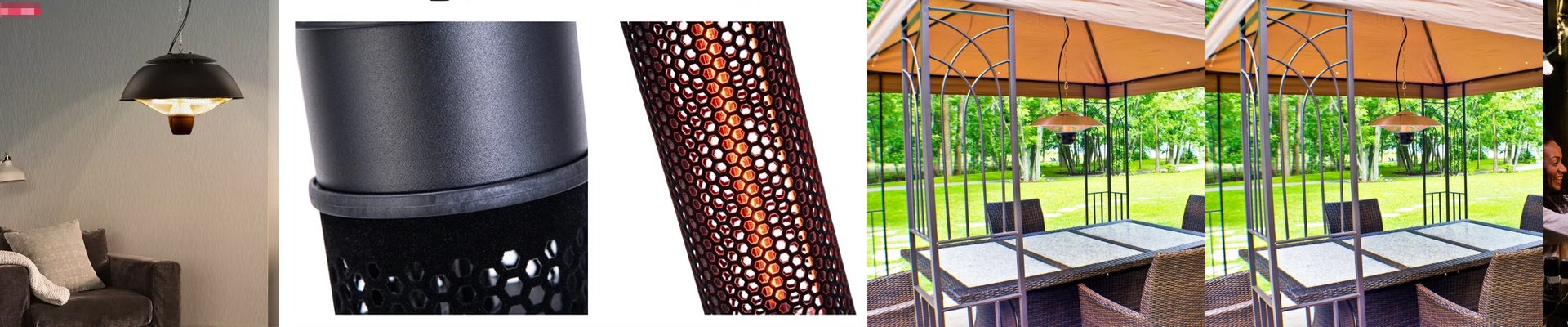
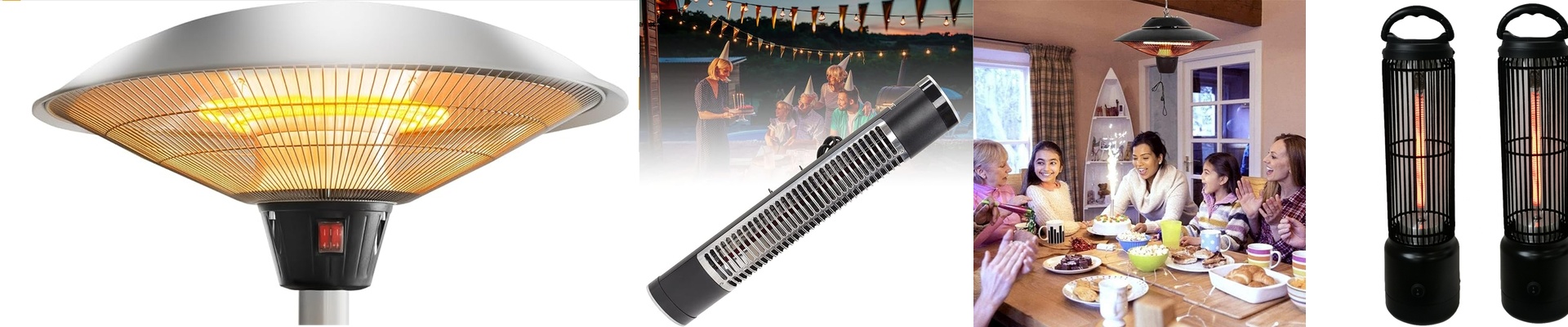
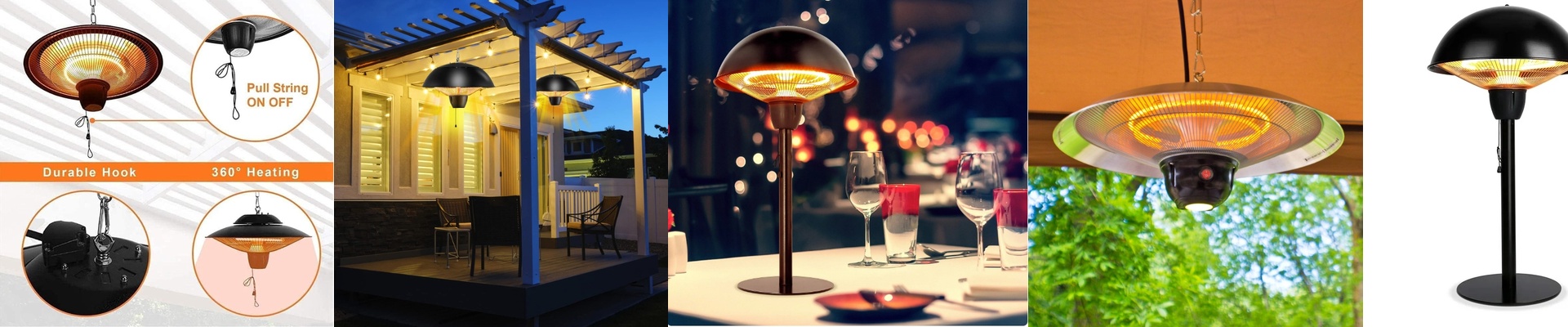
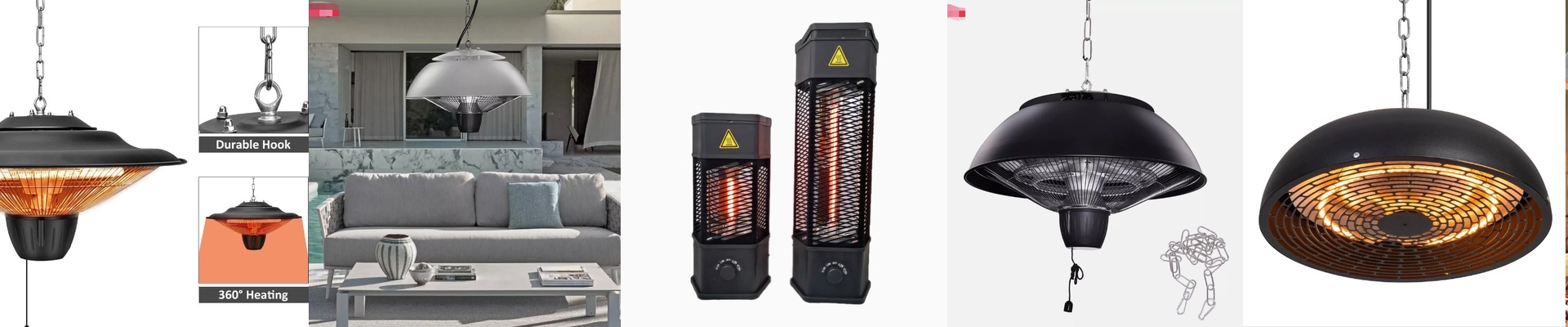
Most of us think of a bathroom heater as something to keep us from shivering while we get dressed. But we looked at it differently. We wanted to build an infrared lamp that does more than just warm you up—we wanted it to kill the dampness that mold loves.
How it actually works
Here’s the thing about regular heaters: they just warm up the air. That’s fine, but it doesn’t really help the walls. Our lamps use short and medium-wave infrared radiation. Instead of heating the air, these waves travel in a straight shot and hit your walls, floors, and ceiling. It creates a quick spike in surface temperature. When your tiles get warm, the water on them evaporates way faster. Since mold needs a damp, soggy place to move in and take over, taking away that moisture basically shuts the door on them.
Built for the steam
Water and electricity are a nightmare pairing. That’s why we went with an IP55 rating. In plain English? It means the housing is tight enough to keep out dust and can handle water jets hitting it from any angle. We used tempered quartz glass and sealed gaskets so steam can’t sneak into the electrical parts. No leaks, no corroded wires, and no scary short circuits in the middle of your shower.
Finding the sweet spot
You might think “more power equals better drying,” but it’s not that simple. If you put a high-wattage lamp in a room with a low ceiling, you’re going to feel it—and not in a good way. You don’t want to feel like you’re standing under a heat lamp at a buffet; you just want your walls dry. It’s all about balancing the power with the size of your room so you get the drying effect without the glare or the overheat. The best part? These are designed to drop right into your existing bathroom fixtures. If you want to make it effortless, just hook them up to a timer or a humidity sensor. It’ll handle the drying cycle on its own, and you can forget about buying one of those bulky, loud industrial dehumidifiers.