


IR Heating vs. Hot Air: A Better Way to Grow CNTs
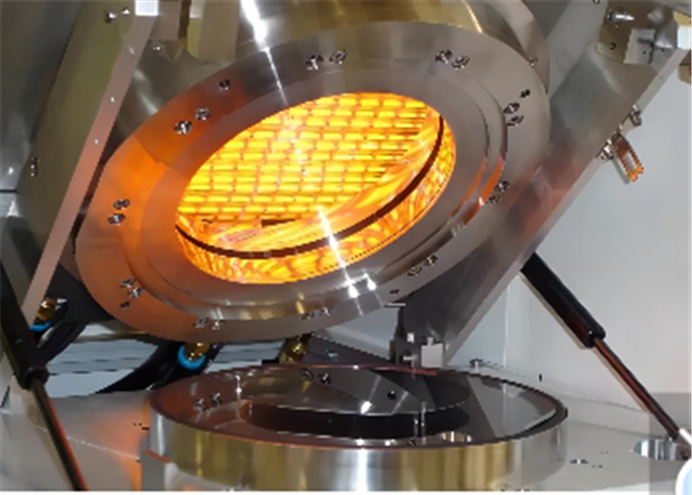
If you’ve spent any time fabricating carbon nanotubes, you know the drill. You’re chasing that perfect thermal balance to keep your growth consistent. Most of the old-school setups we see rely on hot air circulation. And honestly? It’s a slog. The problem is the lag. Because you’re relying on convection, you end up spending way too many minutes just sitting there, waiting for the chamber to actually hit your target temperature. It’s a waste of time. Cutting the wait This is where infrared (IR) heating comes in. Instead of trying to warm up every single molecule of air in the room, IR uses electromagnetic radiation to hit the substrate directly. It’s fast. Really fast. We’re talking about dropping your ramp-up time from several minutes down to a few seconds. When you’re running semiconductor deep processing, those saved minutes per batch start to feel like a massive win for your total output. The tricky part Now, it’s not as simple as just swapping a bulb. IR packs a punch—the heat density is intense and very localized. If your substrate is even slightly off-center, you’ll end up with hot spots that mess up your CNT alignment. You have to be spot-on with your focal length. Then there’s the “overshoot” problem. Since IR reacts so quickly, your PID controllers need to be dialed in much tighter. If you try to use the same settings you had for your hot-air system, you’ll likely blow right past your target temperature and fry your catalyst. Cleaning up the workspace The best part, though, is the physical space. Once you ditch the bulky blowers and all that annoying ducting, your machine footprint shrinks. Everything feels cleaner. You have fewer moving parts that can break or rattle, trading mechanical headaches for electrical precision. You end up with a faster cycle and a much steadier thermal environment for your high-purity chips. It just makes sense.