Why we use gold reflectors for lead-free semiconductor curing
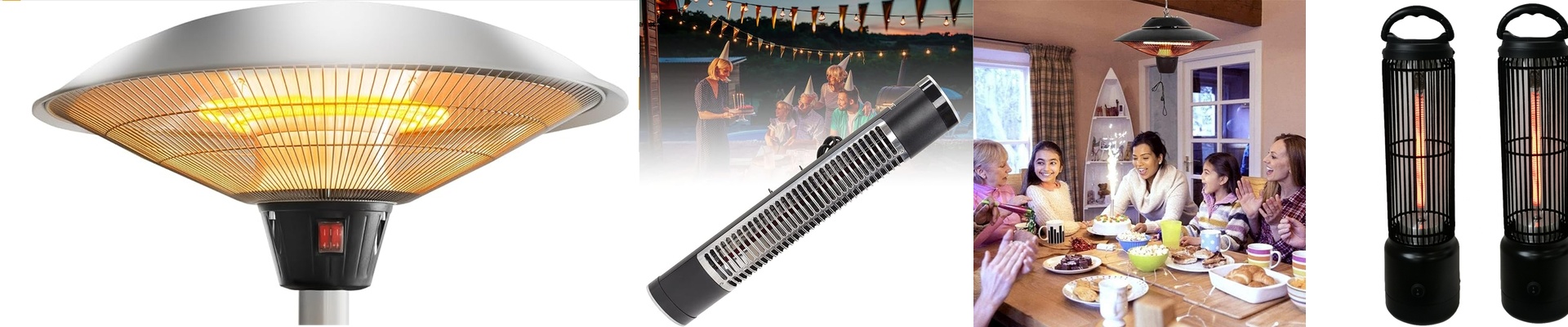
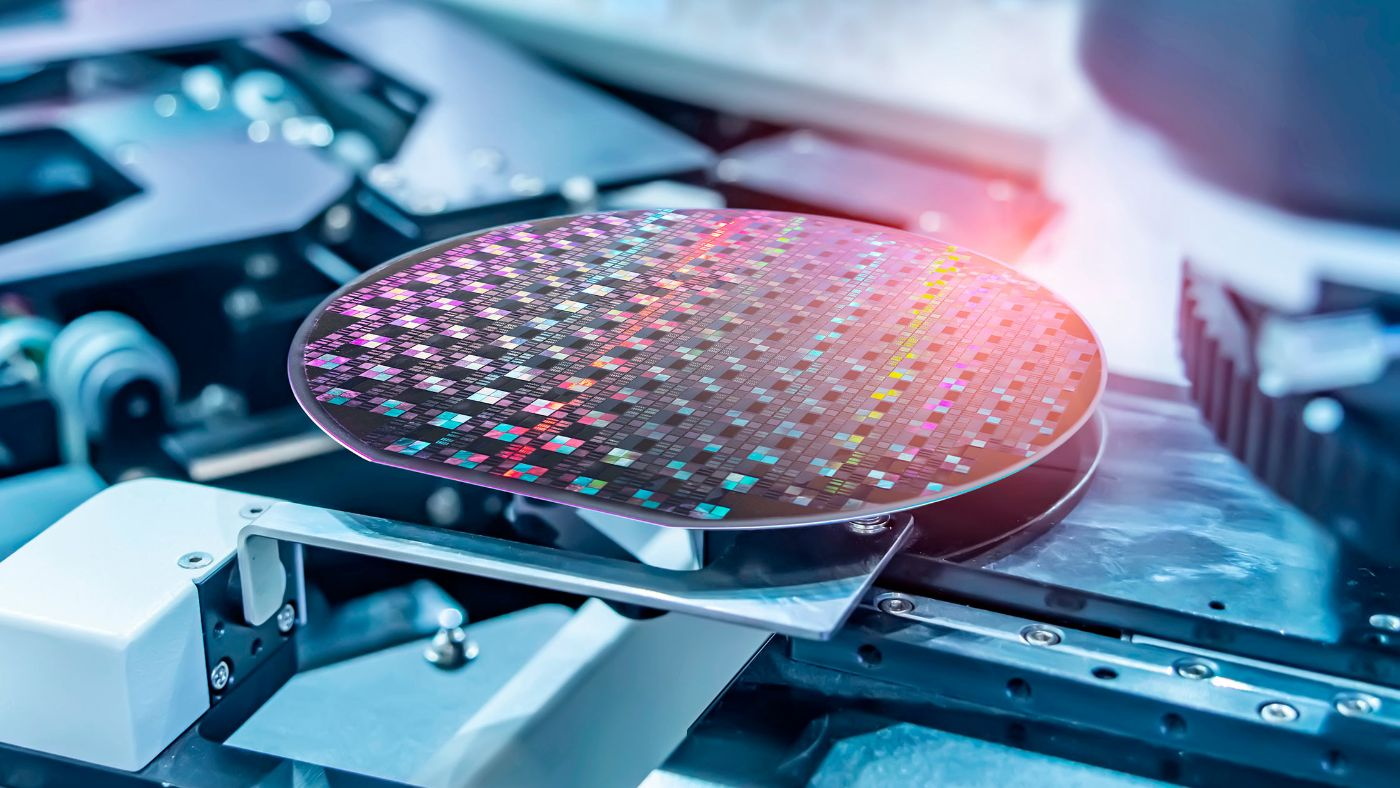
Let’s be honest: convection ovens are starting to feel like relics. In the semiconductor world, we’re moving toward short-wave infrared (IR) systems, and for a good reason. The push for “lead-free” and eco-friendly manufacturing isn’t just a trend—it’s the new standard. But here’s the catch. When you switch to lead-free solders, everything gets harder. You’re dealing with higher melting points and a thermal window that’s incredibly tight. There’s very little room for error. Why gold? You might wonder why we bother with gold-coated reflectors. It sounds fancy, but it’s actually about raw efficiency. Gold reflects near-IR radiation at over 95%. Compare that to standard aluminum, which just soaks up too much energy. By using gold, we make sure the heat goes exactly where it needs to—straight into the wafer or the PCB. It keeps the heat off the machine chassis and puts it right on the substrate. It’s fast. Really fast. Making lead-free actually work The biggest headache with lead-free curing is the ramp-up. If you don’t get the heat up quickly, your components can warp. IR bulbs solve this because they use radiation, not blowing hot air. This is a huge win for clean-room setups because you aren’t pushing contaminated air all over your work. Plus, it’s just a “greener” way to work. No VOC-heavy solvents, no massive energy-hogging fans. And the wait time? Gone. Instead of standing around for an hour while an oven warms up, an IR lamp hits your target temp in seconds. The reality check Now, it’s not all magic. High-intensity IR lamps put out a massive amount of heat. If your cooling system isn’t up to the task, you’re going to have problems. You can easily overheat your lamp sockets or fry your control electronics if the airflow isn’t dialed in. It’s a balancing act between the wattage of your bulbs and the strength of your cooling manifold. Get it wrong, and your bulbs will burn out way too soon. There’s also the issue of “hot spots.” Direct radiation is powerful, but if your bulbs aren’t spaced perfectly, some parts of the board get blasted while others stay cool. That’s why we’re big on using precise mounting brackets. It keeps the focal point steady across the whole surface so you don’t end up with a ruined batch.