Stop Baking Your Machine: A Better Way to Heat Wafers
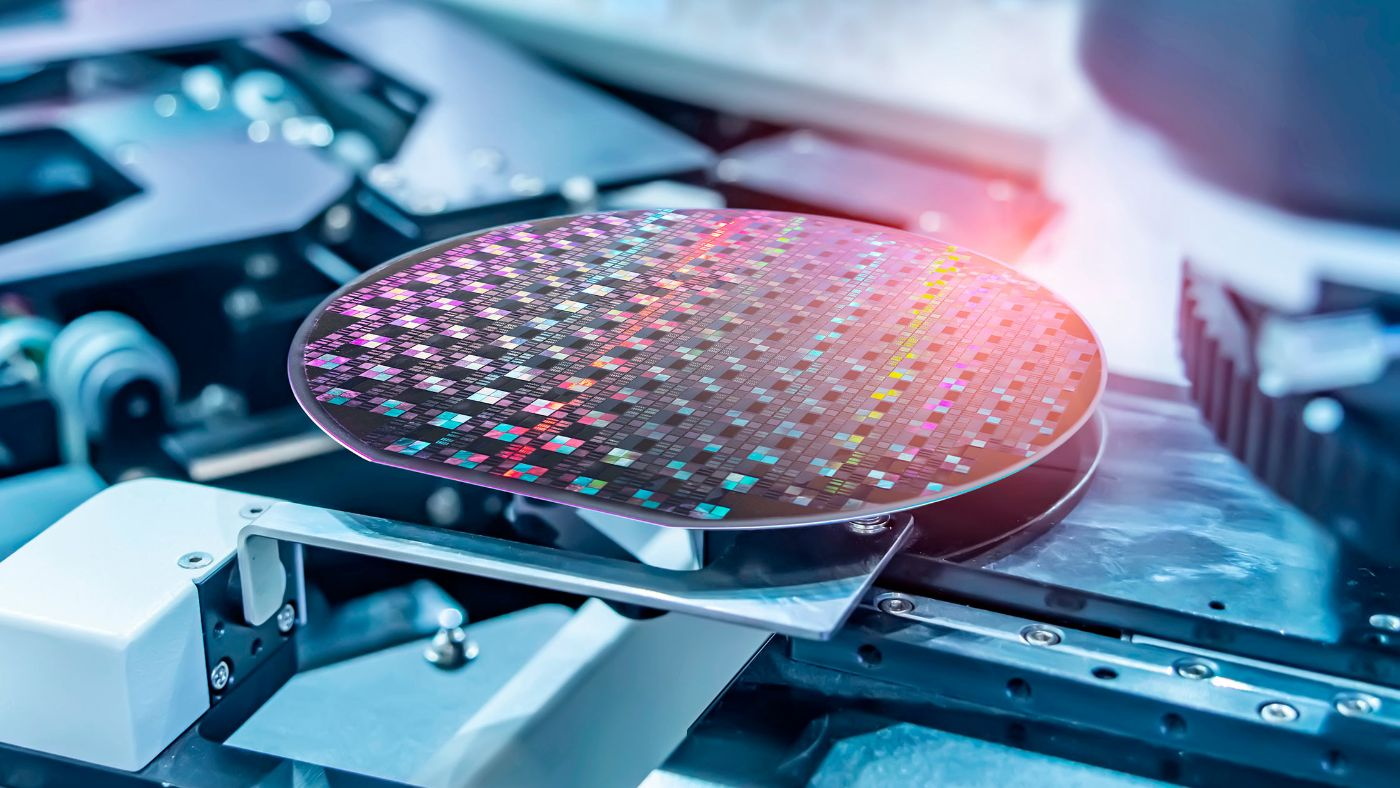
Anyone who’s spent time in semiconductor fab knows the headache: you need to get your wafer hot, but you don’t want to turn the entire machine into an oven. Most heaters just blast energy everywhere. They’re messy. That heat bounces around and soaks into the inner walls, turning your expensive equipment housing into a giant heat sink. Not only does that make the panels dangerous to touch, but it puts a ton of stress on the chassis. We found a way around this using carbon fiber infrared lamps that actually point the heat where it belongs. Getting the beam right Think of it like switching from a lightbulb to a flashlight. Standard quartz heaters spray heat in every direction. Carbon fiber is different. By tweaking the geometry and adding a reflective back, we can tighten that beam and push the energy straight onto the target. The result? No more “stray” heat. The inner walls stay cool, the operator stays safe, and you don’t have to worry about your structural components warping because they’ve been baked for three years. Why carbon fiber? It mostly comes down to speed and grit. Carbon fiber handles high current way better than those thin metal filaments. These lamps hit their target temperature almost instantly. It’s fast. Really fast. And that response time is something metal coils just can’t keep up with. Plus, the light they emit actually matches the way semiconductor materials absorb heat, making the whole process a lot more efficient. The catch (because there’s always one) Now, this isn’t a magic fix. Directional heating requires a bit of finesse. Because the beam is so tight, your alignment has to be spot on. If your target shifts by even a few millimeters, you’re going to see uneven heating across the wafer. You’ll want to make sure your mounting brackets are rock solid—zero vibration is the goal here. And since you’re concentrating all that energy into one spot, the target takes a beating. You’ve got to keep a close eye on your substrate’s thermal limits so you don’t accidentally create a hotspot and ruin the part.