
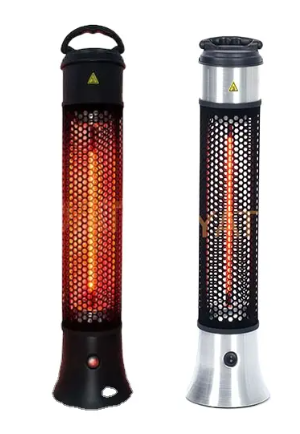
Why we put our bathroom heaters through the “torture test”
You’ve probably seen that IP66 rating on the box. On paper, it means the heater can handle dust and a blast of water. But here’s the thing: a static rating doesn’t tell the whole story. Bathrooms are brutal. One minute it’s freezing, and the next, you’ve got a cloud of steam and a heater cranking out intense heat. That constant switching—expanding and contracting—is where things usually go wrong. That’s why we don’t just trust the rating. We put every batch through damp-heat aging tests.
Where things usually break
Think about what’s actually happening. You flip the switch, and that quartz tube hits peak temperature in a heartbeat. Meanwhile, the air around it is thick with moisture. That creates a massive temperature clash. We’ve seen seals shrink or just snap under that kind of pressure. And once a seal gives up? Steam crawls right in and hits the electrical terminals. Then you’ve got a short circuit or a blown fuse on your hands. We’d much rather break these units in our lab than have them fail in your customer’s ceiling. We cycle them between suffocating humidity and high heat just to see if the gaskets can actually hold their shape.
The battle against the gap
The real trick is the spot where the heating element meets the housing. We use specific silicone seals and alloys for the reflectors that won’t rust or flake. If the materials don’t expand at the same rate, you get a gap. It might be a fraction of a millimeter—basically invisible—but that’s all the steam needs to get inside and wreak havoc.
Finding the sweet spot
Now, you might think, “Just seal it tighter!” But there’s a catch. If we make it completely airtight, we trap the heat inside. The internal wiring basically cooks itself. It’s a delicate balance. We have to keep the water out without turning the internals into an oven. We spend a lot of time tweaking the shape of the housing to move heat away from the electronics while keeping the moisture at bay. That’s why we test. We’re looking for that exact point where the unit stays bone-dry but doesn’t overheat its own guts.