Stop Letting a Single Lamp Burst Kill Your Entire Batch
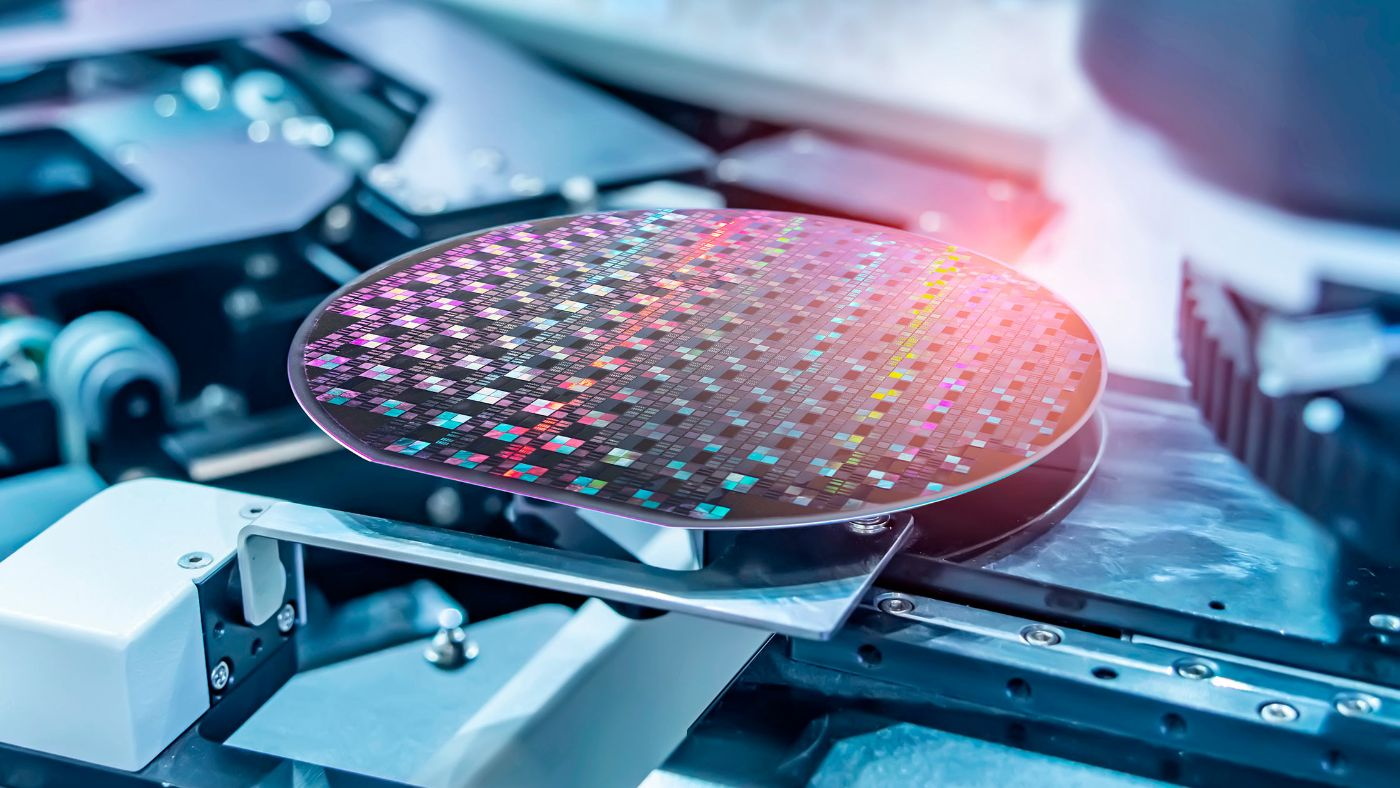
In bio-sensor fabrication, one lamp popping isn’t just a nuisance. It’s a nightmare. You don’t just lose a bulb; you lose the whole wafer batch. Between the glass shards and the halogen gas deposits, your cleanroom is suddenly a mess, and your production grinds to a halt. That’s why we build our infrared lamps to take a beating. We want them to handle heavy workloads without turning your fab into a disaster zone.
Keeping the Mess Inside
Most lamps fail because they can’t handle the thermal shock—basically, they get stressed out by the high wattage and the rapid heat changes. To fix this, we use high-purity fused quartz. It doesn’t expand or contract much, so it stays stable even when you’re cycling power quickly. But we didn’t stop there. We add a containment sleeve—think of it as a reinforced quartz shield. If the inner filament gives out or the tube cracks, the outer layer catches everything. No debris on the wafers. No panic in the lab. It’s a simple failsafe that keeps your line moving.
Heat, Voltage, and the Little Things
Heating at high density is tricky. If your voltage isn’t steady, you get “hot spots,” and that’s usually where the lamp burns out early. We keep our tolerances tight to spread the heat evenly across the tube, which takes the pressure off the seals. Then there are the connectors. A loose fit causes arcing, which creates a tiny, intense heat source right at the terminal. That’s often where the quartz first fails. We use industrial-grade locking mechanisms to make sure everything stays tight and secure.
The Honest Trade-off
Here’s the thing: adding a containment sleeve means there’s an extra layer of material between the heat source and your wafer. Because of that, you lose a tiny bit of infrared transmission. You might need to bump up the power or let the wafer sit for a few seconds longer to hit your target temperature. It’s a small tweak. But it’s a lot better than staring at a ruined batch of wafers because a lamp decided to explode.