Why we stopped using ovens for bio-sensors
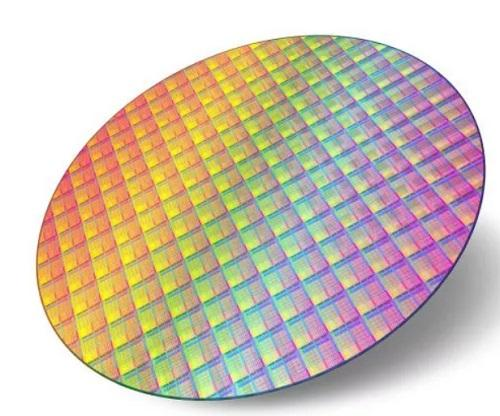
Making bio-sensors is a bit of a balancing act. You need enough heat to cure polymers and get those chemical layers active, but if you go too far, you’ll fry the whole substrate. For a long time, the go-to was the traditional convection oven. But honestly? Heating up a giant box of air just to warm up a tiny sensor is a waste of time and electricity. That’s why we switched to specialized IR lamp systems. It’s all about where the heat goes. Think about it this way: an oven warms the room, then the air, and finally the part. IR lamps just hit the wafer or sensor surface directly. It’s fast. Really fast. We’re talking about cutting warm-up times from hours down to a few seconds. Since you’re only heating the part and not the entire zip code, your power bill drops. It’s a simple way to actually make the factory “green” without just paying for a certificate. The tricky part (and how we handle it) Of course, you can’t just throw any heat lamp at a sensor. We have to pick the right wavelength for the materials we’re using. If we need the heat to soak in deep, we go with short-wave IR. If we just need to cure the surface, medium-wave does the trick. But here’s the catch: if you crank the power too high without a solid cooling system, you’ll warp the sensor housing. It’s a nightmare to fix. To keep things from spiraling, we use closed-loop PID controllers. They act like a thermostat on steroids to make sure the temperature doesn’t overshoot. Winning back the floor space One of the best parts of this switch is how much room we saved. Those massive batch ovens take up a ton of space. With IR, we can just tuck the lamps into a compact conveyor line. Less equipment means more open space in the cleanroom. And because there’s less heat leaking into the room, the HVAC system doesn’t have to work nearly as hard to keep things cool. Maintenance is a breeze, too. When a lamp starts to fade, you just swap it out and keep moving. Simple.