Getting the Heat Right in Bio-sensor Fabrication
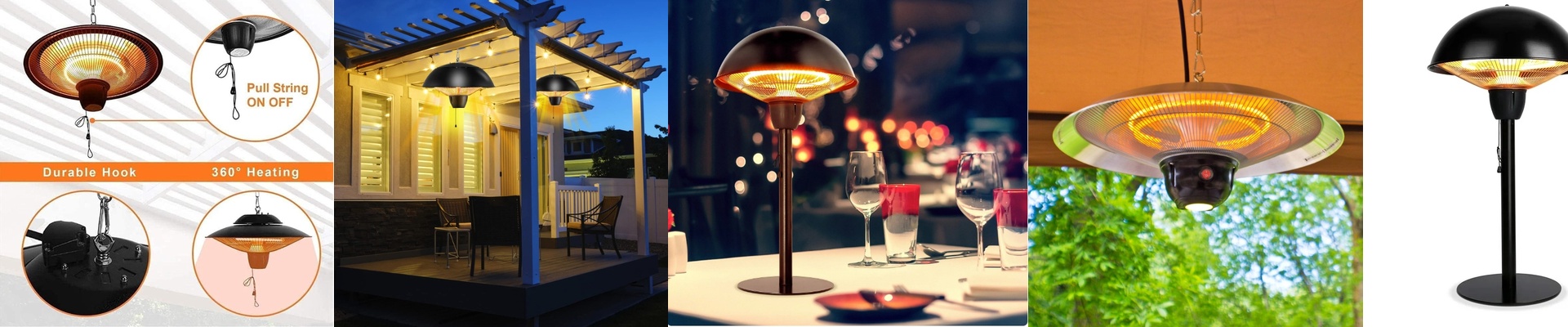
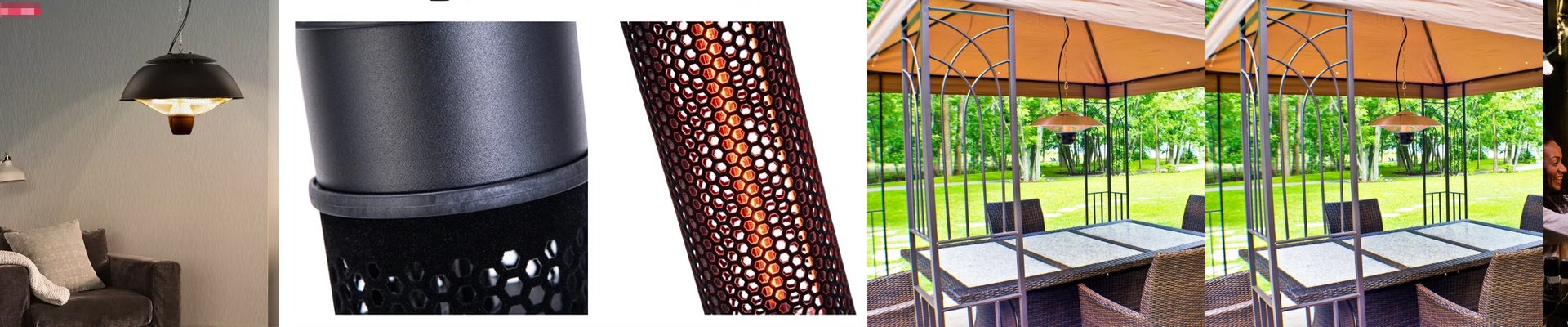
When you’re building bio-sensors, you’re playing a delicate game with temperature. If it’s too cold, your proteins won’t bind and your substrate won’t stick. Too hot? You’ve just fried your biological reagents. You need a very specific window of heat, and you need it to be exact. That’s why we use infrared (IR) lamps. In a modern fab, these are the heavy lifters for curing and drying.
The trick to IR heat
We go with high power density because nobody wants to wait around for a cycle to finish. But the real secret is the wavelength. By sticking to shortwave IR, we can push energy right into those bio-active layers without cooking the base substrate. It happens in seconds. That speed is what saves your sensitive materials from breaking down.
Stop guessing, start tracking
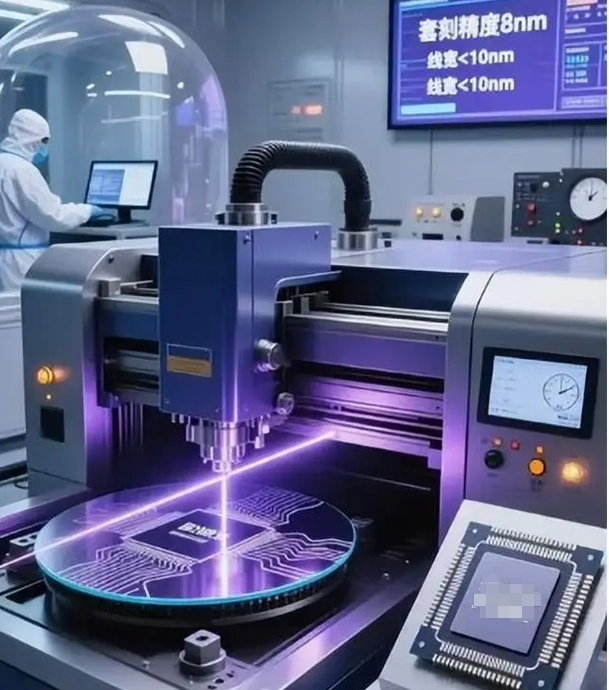
Manual timers are a nightmare. You can’t run a smart plant on “looks about right.” Instead, we hook these IR arrays up to PID controllers and real-time pyrometers. This sends all the temperature data straight into your MES. Now, you know the exact thermal dose every single wafer or chip received. Plus, if a lamp starts to flicker or burn out, the system tells you immediately. No more wondering why a whole batch came out wonky.
The part people forget
Here’s the thing: high-wattage IR systems put out a massive amount of heat. You can’t just plug them in and hope for the best. If your HVAC or cooling manifolds aren’t up to the task, you’ll get “heat creep.” That’s when the ambient temperature rises and ruins the precision of your sensor’s active area. It’s a silent killer for quality control. We’ve designed these to slide right into the spot where your old ovens used to be. They take up less space, they ramp up way faster, and the data they spit out makes audits a breeze.